
Overview & Design Features
The GMC LE4 designation typically refers to a specific application of General Motors’ 2.4-liter (2384cc) Ecotec inline-four engine, a powerplant predominantly found in various GMC models. Part of the robust Ecotec family, the LE4 variant was engineered for a balance of fuel efficiency, emissions compliance, and adequate power delivery, making it a cornerstone engine for compact to mid-size SUVs and sedans during its production era. Its historical significance lies in its widespread adoption across multiple General Motors platforms, serving as a reliable and economical option for millions of vehicles.
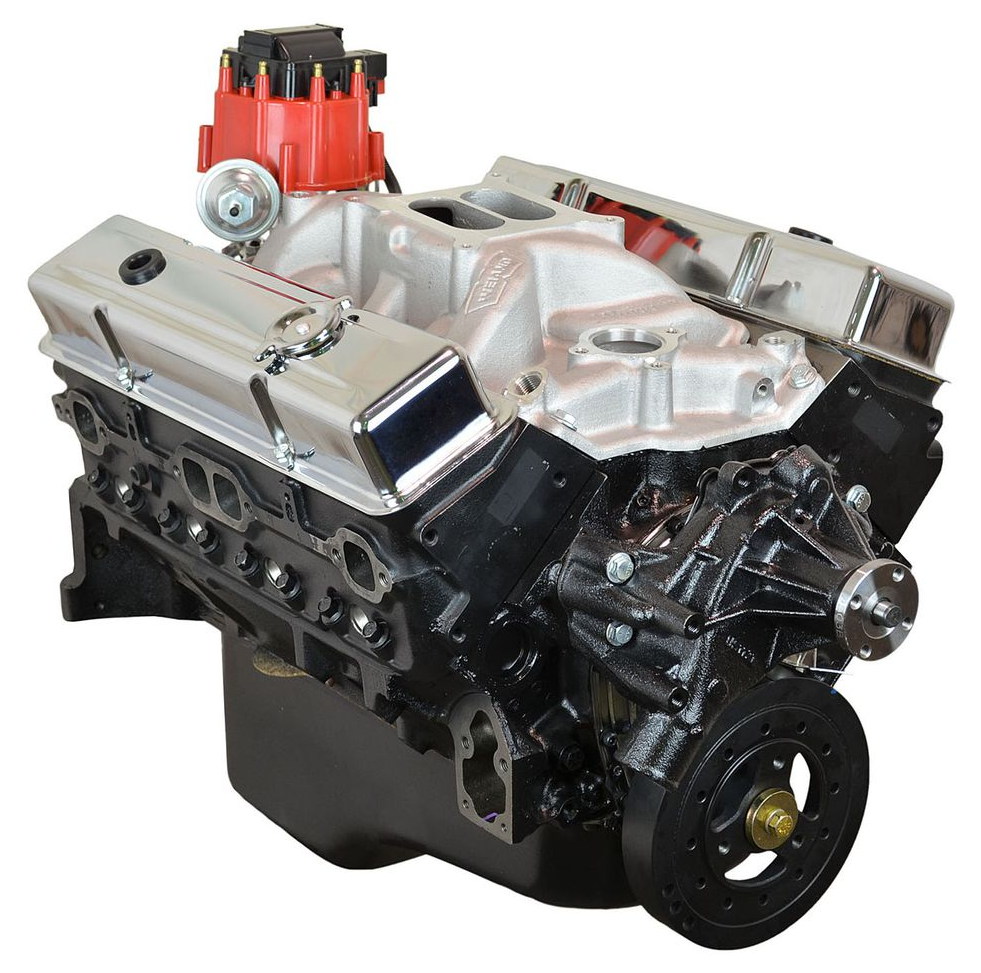
From an engineering standpoint, the LE4 utilizes a lightweight yet rigid all-aluminum construction for both its cylinder block and cylinder head, contributing to overall vehicle weight reduction and improved thermal management. It employs a double overhead camshaft (DOHC) design, actuating 16 valves (four per cylinder) for optimal airflow. A critical feature is its direct injection (DI) fuel system, which precisely atomizes fuel directly into the combustion chambers, enhancing fuel economy and power output while reducing emissions. Furthermore, the LE4 incorporates Variable Valve Timing (VVT) on both intake and exhaust camshafts, allowing for dynamic adjustment of valve overlap to optimize performance across the engine’s RPM range and improve efficiency.
The 2.4L Ecotec LE4 engine was primarily deployed in the following vehicle models and production years: the GMC Terrain (2010-2017) as its standard engine option, and various Chevrolet and Buick models, including the Chevrolet Equinox (2010-2017), Buick LaCrosse (2010-2016), Buick Regal (2011-2017), and Buick Verano (2012-2017). This widespread usage highlights its versatility and GM’s confidence in its design for a broad market segment.
Technical Specifications
| Specification | Value |
|---|---|
| Displacement | 2384 cc (2.4 L) |
| Max Power | 182 hp (136 kW) @ 6700 RPM |
| Max Torque | 233 Nm (23.8 kg*m) @ 4900 RPM |
| Fuel Type | Unleaded Gasoline |
| Fuel Consumption (Combined) | 8.7 L/100 km (typical for FWD applications) |
| Engine Type | Inline 4, DOHC |
| Compression Ratio | 11.2:1 |
| Cylinder Bore | 88.0 mm |
| Piston Stroke | 98.0 mm |
| Valvetrain | DOHC, Variable Valve Timing (VVT) on intake and exhaust |
| Valves per Cylinder | 4 |
| Additional Info | Direct Injection (DI), All-aluminum block and head construction |
Common Problems & Reliability
The GMC LE4 engine, while generally robust, is known for a few specific issues that prospective owners should be aware of. One prevalent concern is excessive oil consumption. This can often be attributed to prematurely worn piston rings or issues with the PCV (Positive Crankcase Ventilation) system, leading to oil being burned in the combustion chambers. If left unaddressed, low oil levels can precipitate more severe engine damage.
Another common mechanical weak point involves the timing chain. Compared to earlier Ecotec designs, the LE4’s timing chain can be susceptible to stretching, particularly in vehicles that have experienced extended oil change intervals or consistent low oil levels. A stretched timing chain can lead to rough idling, reduced performance, and, in severe cases, catastrophic engine failure if it jumps a tooth or breaks. Owners frequently report a rattling noise from the front of the engine as an early indicator of this issue.
As a direct-injection engine, the LE4 is also prone to carbon buildup on the intake valves. This phenomenon occurs because fuel is injected directly into the cylinders, bypassing the intake valves and preventing their natural cleaning. Over time, carbon deposits can restrict airflow, causing misfires, reduced power, and decreased fuel efficiency. Regular cleaning or specialized maintenance procedures may be necessary to mitigate this issue.
With proper maintenance and timely address of known issues, the LE4 engine typically offers a realistic service life of 150,000 to 200,000 miles before requiring a major overhaul. However, specific instances of the aforementioned problems can significantly shorten this lifespan if neglected.
Maintenance Tips & Service Schedule
Proactive and diligent maintenance is crucial for maximizing the longevity and reliability of the GMC LE4 engine. Adherence to a strict service schedule is paramount. Engine oil changes should be performed using Dexos-approved 5W-30 synthetic blend or full synthetic oil, ideally every 5,000 to 7,500 miles, or sooner if indicated by the vehicle’s Oil Life Monitor (OLM) under severe driving conditions. Frequent oil analysis can help monitor for early signs of piston ring wear.
Spark plugs typically require replacement every 100,000 miles. Utilizing the correct OEM-specified iridium plugs is essential for optimal ignition performance and fuel efficiency. The timing chain, while not a scheduled replacement item like a belt, requires regular inspection for noise and tension, particularly during higher mileage services. Addressing oil consumption issues promptly is the best defense against premature timing chain wear.
A coolant flush and refill with manufacturer-specified long-life coolant is recommended approximately every 5 years or 100,000 miles to prevent corrosion and maintain proper engine temperature regulation. For direct-injection engines like the LE4, periodic use of a high-quality fuel system cleaner designed for DI engines can help mitigate carbon buildup on intake valves. Air filter and cabin filter replacement should follow manufacturer guidelines, typically every 15,000-30,000 miles.
Conclusion
The GMC LE4 engine presents a mixed profile for a used vehicle buyer. Its fundamental design offers a blend of respectable power and commendable fuel efficiency for its class, making it an attractive option in vehicles like the GMC Terrain. However, its known vulnerabilities, particularly concerning oil consumption and timing chain durability, necessitate a cautious approach. A pre-purchase inspection by a qualified mechanic, specifically scrutinizing for signs of excessive oil consumption, timing chain noise, and evidence of carbon buildup, is strongly recommended. With a documented history of diligent maintenance and a clean bill of health during inspection, the LE4 can be a sufficiently reliable choice. Without such assurances, potential ownership costs due to these common issues could negate its initial affordability benefits.