
Overview & Design Features
The GMC LE3 engine, commonly known within General Motors’ EcoTec3 family as the L84, represents a modern iteration of the brand’s long-standing small-block V8 architecture. Introduced for the 2021 model year, this naturally aspirated, 6.2-liter (6162 cc) V8 powerplant is a robust and performance-oriented engine, designed to deliver significant power and torque for heavy-duty applications while integrating advanced fuel efficiency technologies. It succeeds earlier 6.2L variants like the L87 and L86, building upon their proven foundation with refinements aimed at enhancing both performance and economy.
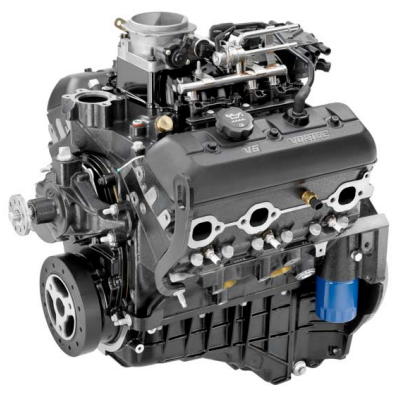
Engineering highlights of the LE3 include an aluminum cylinder block and cylinder heads, contributing to reduced overall engine weight and improved thermal management. The engine employs a direct fuel injection system, precisely delivering fuel directly into the combustion chambers for improved efficiency and power output. Key to its advanced operation is the implementation of variable valve timing (VVT) and General Motors’ Dynamic Fuel Management (DFM) system. DFM allows the engine to operate on any number of cylinders from two to eight, based on driving conditions, optimizing fuel economy far beyond the capabilities of previous Active Fuel Management (AFM) systems. A high 11.5:1 compression ratio further boosts efficiency and power density.
The LE3 engine has been primarily deployed in GMC’s full-size truck and SUV lineup. Its most prominent applications include the GMC Sierra 1500 Denali and AT4 trims, and the GMC Yukon and Yukon XL Denali models. It also finds deployment in various Chevrolet Silverado 1500, Tahoe, Suburban, and Cadillac Escalade models, typically paired with a 10-speed automatic transmission. Production years for this specific iteration began with the 2021 model year and continue in current production vehicles.
Technical Specifications
| Specification | Value |
|---|---|
| Displacement (cc) | 6162 |
| Max Power (hp (kW) @ RPM) | 420 (313) @ 5600 |
| Max Torque (Nm (kg*m) @ RPM) | 624 (63.6) @ 4100 |
| Fuel Type | Gasoline (Premium recommended for optimal performance) |
| Fuel Consumption (l/100 km) | 12.5 – 15.5 (Combined, highly vehicle-dependent) |
| Engine Type | Naturally Aspirated V8, Pushrod OHV |
| Compression Ratio | 11.5:1 |
| Cylinder Bore (mm) | 103.25 |
| Piston Stroke (mm) | 92 |
| Valvetrain | Overhead Valve (OHV) with Variable Valve Timing (VVT) |
| Valves per Cylinder | 2 |
| Additional Info | Direct Injection, Dynamic Fuel Management (DFM), Aluminum Block & Heads |
Common Problems & Reliability
While the LE3 engine builds on a highly reliable architecture, specific design elements introduce potential points of failure. The most widely reported concern revolves around the Active Fuel Management (AFM) or Dynamic Fuel Management (DFM) lifters. These hydraulic roller lifters, crucial for cylinder deactivation, can experience premature wear or collapse, leading to misfires, excessive valvetrain noise, and in severe cases, camshaft damage. This issue often manifests at moderate mileages and can necessitate significant repair.
Another related concern is higher-than-average oil consumption in some units. This can be exacerbated by the DFM system’s operation, leading to oil ingress into the combustion chamber. Regular monitoring of oil levels is essential to prevent engine damage due to low oil, which can further aggravate lifter issues. Carbon buildup on intake valves, a common concern with direct injection engines, is less severe in OHV designs like the LE3 compared to DOHC configurations, but can still occur over extended periods, potentially impacting performance and efficiency.
Under proper and diligent maintenance, including proactive addressing of the DFM system if issues arise, the LE3 engine can typically achieve a service life exceeding 200,000 miles (320,000 km) before requiring a major overhaul. However, the DFM lifter issue remains a notable consideration that can significantly impact long-term reliability if unaddressed.
Maintenance Tips & Service Schedule
Adherence to a strict maintenance schedule is paramount for the longevity and reliable operation of the LE3 engine. Oil changes should be performed using a full synthetic oil with a viscosity of 0W-20 or 5W-30, depending on manufacturer recommendations and climate, every 7,500 to 10,000 miles (12,000 to 16,000 km) or according to the vehicle’s Oil Life Monitoring (OLM) system. Regular oil level checks between intervals are crucial due to potential oil consumption.
Spark plugs typically require replacement at 100,000-mile (160,000 km) intervals. The LE3 utilizes an overhead valve design, therefore, it employs a timing chain rather than a belt, which is generally designed for the life of the engine. However, inspecting timing chain tensioners and guides at higher mileages (e.g., 150,000 miles/240,000 km) during other engine work is advisable. Coolant flushes and replacement should occur every 5 years or 100,000 miles (160,000 km). Air filter replacement should follow manufacturer guidelines, typically every 15,000-30,000 miles (24,000-48,000 km) depending on driving conditions.
Conclusion
The GMC LE3 engine, with its 6.2-liter V8 displacement and advanced technologies, offers formidable power and respectable efficiency for a large gasoline engine. Its robust aluminum construction and integration of direct injection and variable valve timing are strong points. For a used vehicle buyer, the LE3 represents a powerful and generally capable choice. However, careful consideration must be given to the documented issues surrounding the Dynamic Fuel Management (DFM) system and its associated lifters. A pre-purchase inspection that specifically checks for DFM-related symptoms is highly recommended. With a documented service history, particularly demonstrating consistent oil changes and absence of DFM issues, the LE3 can be a reliable and rewarding engine choice.