
Overview & Design Features
The GMC Duramax LMM is a 6.6-liter, 90-degree V8 turbocharged diesel engine produced by the DMAX joint venture between General Motors and Isuzu. Introduced midway through the 2007 model year to replace the respected LBZ generation, the LMM represents a critical evolutionary milestone in the history of GM heavy-duty powertrain design. It was engineered specifically to meet the strict emission regulations implemented by the United States Environmental Protection Agency (EPA) in 2007, serving as the bridge between legacy diesel engines and modern, low-emission powertrains.
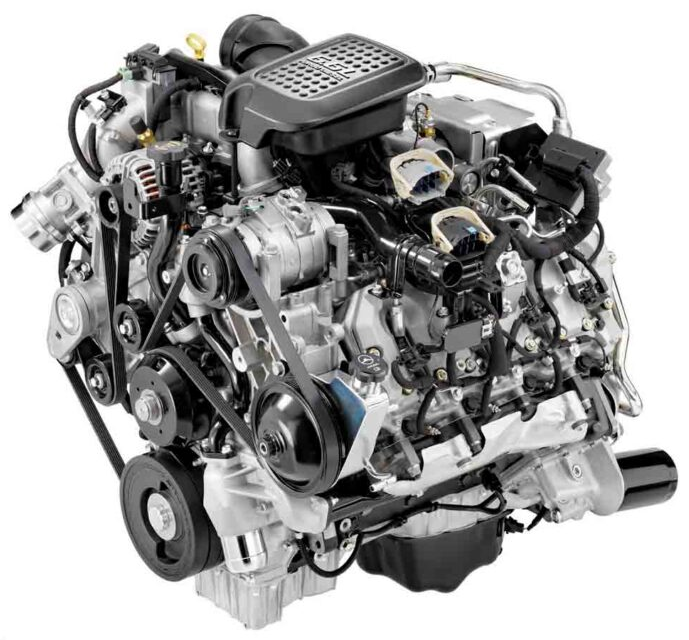
From an engineering standpoint, the LMM utilizes a highly durable cast-iron cylinder block featuring deep-skirt geometry and cast-aluminum cylinder heads with four valves per cylinder. Fuel delivery is executed by a high-pressure Bosch common-rail direct injection system operating at pressures up to 26,000 psi, which ensures precise atomization and efficient combustion. To control forced induction, the engine employs a variable geometry turbocharger (VGT) that dynamically adjusts to optimize boost response across the entire operating range. Most notably, the LMM was the first Duramax engine to integrate an exhaust aftertreatment system consisting of a Diesel Particulate Filter (DPF) and a Diesel Oxidation Catalyst (DOC) to reduce particulate emissions.
The LMM engine was officially deployed from 2007.5 through the 2010 model year. It was primarily configured for heavy-duty applications, serving as the optional powerhouse for the GMC Sierra 2500HD and 3500HD, as well as the Chevrolet Silverado 2500HD and 3500HD trucks. Additionally, a slightly detuned variant of this engine was packaged within GMT610 chassis applications, including the GMC Savana and Chevrolet Express commercial cargo and passenger vans.
Technical Specifications
| Specification Parameter | Factory Value / Data |
|---|---|
| Displacement (cc) | 6,599 cc (6.6 Liters) |
| Max Power (hp (kW) @ RPM) | 365 hp (272 kW) @ 3,200 RPM |
| Max Torque (Nm (kg*m) @ RPM) | 895 Nm (91.3 kg*m) @ 1,600 RPM |
| Fuel Type | Diesel (Ultra-Low Sulfur Diesel) |
| Fuel Consumption (l/100 km) | Refer to manufacturer’s technical documentation |
| Engine Type | 90-degree V8 Turbocharged Diesel |
| Compression Ratio | 16.8:1 |
| Cylinder Bore (mm) | 103 mm |
| Piston Stroke (mm) | 99 mm |
| Valvetrain | OHV (Overhead Valve), gear-driven camshaft |
| Valves per Cylinder | 4 |
| Additional Info | Features a Diesel Particulate Filter (DPF) and variable-geometry turbocharger (VGT) |
Common Problems & Reliability
The LMM is widely regarded as a robust and highly dependable powerplant, sharing much of its internal mechanical architecture with the legendary LBZ engine. However, the introduction of early emissions control devices created specific weak points. The primary concern revolves around the Diesel Particulate Filter (DPF) system. During active regeneration cycles, fuel is injected into the exhaust stream to raise temperatures and burn off accumulated soot; if these cycles are frequently interrupted by short-trip driving, fuel dilution of the engine oil can occur, leading to accelerated internal component wear.
Furthermore, the Exhaust Gas Recirculation (EGR) valve and cooler are susceptible to carbon buildup over time, which can result in restricted flow, sticking valves, and diagnostic trouble codes. Despite these emission-related challenges, the base engine components—such as the crankshaft, pistons, and connecting rods—remain exceptionally strong. Under proper care and operation, the LMM is capable of a realistic service life exceeding 350,000 miles (approximately 560,000 kilometers) before requiring a major mechanical overhaul.
Maintenance Tips & Service Schedule
To maximize the lifespan of the LMM engine, a strict maintenance regimen must be followed, with special attention paid to fuel and lubrication systems.
- Engine Oil: Change the engine oil and filter every 5,000 to 7,500 miles. Use high-quality 15W-40 API CJ-4 (or newer CK-4) diesel-grade oil. In extremely cold climates, a synthetic 5W-40 oil is recommended to facilitate cold-start lubrication.
- Fuel Filter: Replace the fuel filter every 10,000 to 15,000 miles. Clean fuel is vital for protecting the highly sensitive Bosch CP3 high-pressure fuel pump and common-rail injectors from debris and moisture.
- Cooling System: Perform a coolant flush and refill using Dex-Cool coolant every 5 years or 150,000 miles to prevent cooling passage corrosion.
- EGR and DPF Care: Periodic long-distance highway driving is recommended to ensure that the DPF can initiate and complete full active regeneration cycles, thereby preventing excessive soot accumulation.
Conclusion
In conclusion, the GMC Duramax LMM represents a highly capable and durable choice for buyers in the used heavy-duty truck market. While the added emission control components require more diligent monitoring and maintenance than its predecessor, the core mechanical reliability of the engine remains top-tier. For a buyer prepared to adhere to a disciplined service schedule, a vehicle equipped with the LMM engine offers an outstanding balance of towing power, durability, and modern refinement.