
Overview & Design Features
The GMC SFI engine designation refers to a prolific family of internal combustion engines developed and utilized by General Motors, prominently featured in GMC-branded trucks, SUVs, and vans. “SFI” stands for Sequential Fuel Injection, a sophisticated fuel delivery system that became standard across most GM powertrains from the late 1980s through the 2000s, significantly enhancing fuel efficiency and emissions control compared to earlier throttle body injection or carbureted systems. These engines, particularly the Vortec series V6 and V8 variants, are renowned for their robust construction, substantial torque output, and long-term reliability, making them foundational to GMC’s reputation for utility vehicles.
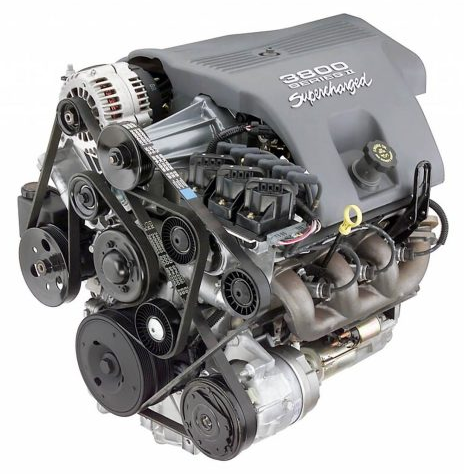
Core engineering features of the GMC SFI engines, exemplified by the 5.3-liter V8, typically include a durable cast-iron cylinder block, often paired with lightweight aluminum cylinder heads for improved thermal management and reduced mass. The valvetrain commonly employs an Overhead Valve (OHV) or “pushrod” design, featuring two valves per cylinder actuated by hydraulic roller lifters, contributing to compact dimensions and high torque at lower RPMs. The Sequential Multi-Port Fuel Injection system precisely meters fuel into each intake port just before the intake valve opens, optimizing combustion and reducing emissions. While early SFI engines featured fixed valve timing, later iterations in the 2000s integrated technologies such as Variable Valve Timing (VVT) and Active Fuel Management (AFM), also known as Displacement on Demand (DoD), to further enhance efficiency and power delivery across the RPM range.
This engine family, encompassing various displacements, was widely deployed across numerous GMC vehicle models. Specific applications include the GMC Sierra full-size pickup truck (1999-2013), the GMC Yukon and Yukon XL full-size SUVs (2000-2014), and the GMC Savana full-size van (2003-present for specific SFI variants). Due to platform sharing within General Motors, these engines also powered equivalent Chevrolet models such as the Silverado, Tahoe, Suburban, and Express, cementing their ubiquitous presence in the light-duty truck and SUV segment during their production run.
Technical Specifications
| Specification | Value (Representative 5.3L V8 SFI) |
|---|---|
| Displacement (cc) | 5328 cc |
| Max Power (hp (kW) @ RPM) | 295 hp (220 kW) @ 5200 RPM |
| Max Torque (Nm (kg*m) @ RPM) | 461 Nm (47 kg*m) @ 4000 RPM |
| Fuel Type | Gasoline (Regular Unleaded, E85 Flex-Fuel on some models) |
| Fuel Consumption (l/100 km) | 12.5 – 16.5 l/100 km (Combined cycle, model dependent) |
| Engine Type | OHV V8 |
| Compression Ratio | 9.5:1 – 9.9:1 |
| Cylinder Bore (mm) | 96.01 mm |
| Piston Stroke (mm) | 92.00 mm |
| Valvetrain | OHV, 2 Valves per Cylinder, Hydraulic Roller Lifters |
| Valves per Cylinder | 2 |
| Additional Info | Cast Iron Block, Aluminum Cylinder Heads, Sequential Multi-Port Fuel Injection, (some later variants with Active Fuel Management/DoD, Variable Valve Timing) |
Common Problems & Reliability
GMC SFI engines, particularly the Vortec V8s, generally possess a strong reputation for reliability and longevity. However, certain common issues can arise, particularly as mileage accumulates. One frequent concern involves elevated oil consumption, often attributable to piston ring wear or, in later models equipped with Active Fuel Management (AFM), issues with the AFM lifters and associated oil pressure relief valve. AFM lifter failure can lead to misfires, reduced performance, and even camshaft damage if left unaddressed. Another prevalent issue on some earlier SFI engines includes intake manifold gasket leaks, which can manifest as coolant or vacuum leaks, affecting engine performance and potentially causing overheating. Crankshaft position sensor failures are also periodically reported, leading to intermittent starting issues or engine stalling.
Despite these potential drawbacks, with diligent maintenance and proactive attention to common wear items, these engines are capable of very high mileage. An expected service life of 250,000 miles (approximately 400,000 km) or more before requiring a major overhaul is realistic for many well-maintained units, underscoring their inherent durability.
Maintenance Tips & Service Schedule
Proper maintenance is crucial for maximizing the lifespan and reliability of GMC SFI engines. Adhering to manufacturer-recommended service intervals is paramount.
- Engine Oil: Regular oil changes are vital. Use a high-quality synthetic blend or full synthetic 5W-30 motor oil. Intervals should follow the vehicle’s Oil Life Monitor (OLM) system, typically ranging from 5,000 to 7,500 miles (8,000 to 12,000 km), depending on driving conditions. For engines with AFM, more frequent oil changes can help mitigate lifter-related issues.
- Spark Plugs: Replace iridium or platinum-tipped spark plugs every 100,000 miles (160,000 km). Inspect ignition coils for signs of degradation.
- Timing System: These engines utilize a robust timing chain system, generally designed to last the life of the engine. Inspection for excessive slack or noise is advisable at very high mileages (e.g., 150,000+ miles / 240,000+ km), though routine replacement is not typically required.
- Coolant Flush: Perform a coolant system flush and refill with Dex-Cool compatible long-life coolant every 5 years or 150,000 miles (240,000 km).
- Air Filter: Inspect and replace the engine air filter every 15,000 to 30,000 miles (24,000 to 48,000 km), or more frequently in dusty environments.
- Fuel Filter: For models with an external, serviceable fuel filter, replacement every 50,000 miles (80,000 km) is recommended. Many later models integrate the filter into the fuel pump module, which is typically not a serviceable item.
Conclusion
The GMC SFI engine family, particularly the Vortec V8s, represents a cornerstone of General Motors’ powertrain engineering, offering a compelling blend of power, torque, and enduring reliability. For a used vehicle buyer prioritizing a workhorse engine capable of significant mileage, the GMC SFI is generally a safe and dependable choice. While vigilance regarding potential oil consumption and AFM-related issues on specific variants is prudent, consistent maintenance ensures these engines remain robust and functional for many years, offering excellent value in the pre-owned truck and SUV market.