
Overview & Design Features
The L92 is an all-aluminum 6.2-liter V8 engine produced by General Motors under the Generation IV small-block engine family. Introduced in 2007, this powerplant represented a significant engineering advancement as the first high-volume truck engine to utilize variable valve timing. It delivered high performance, exceptional low-end torque, and reliable operation, serving as a premium choice for high-end light-duty trucks and large sport utility vehicles.
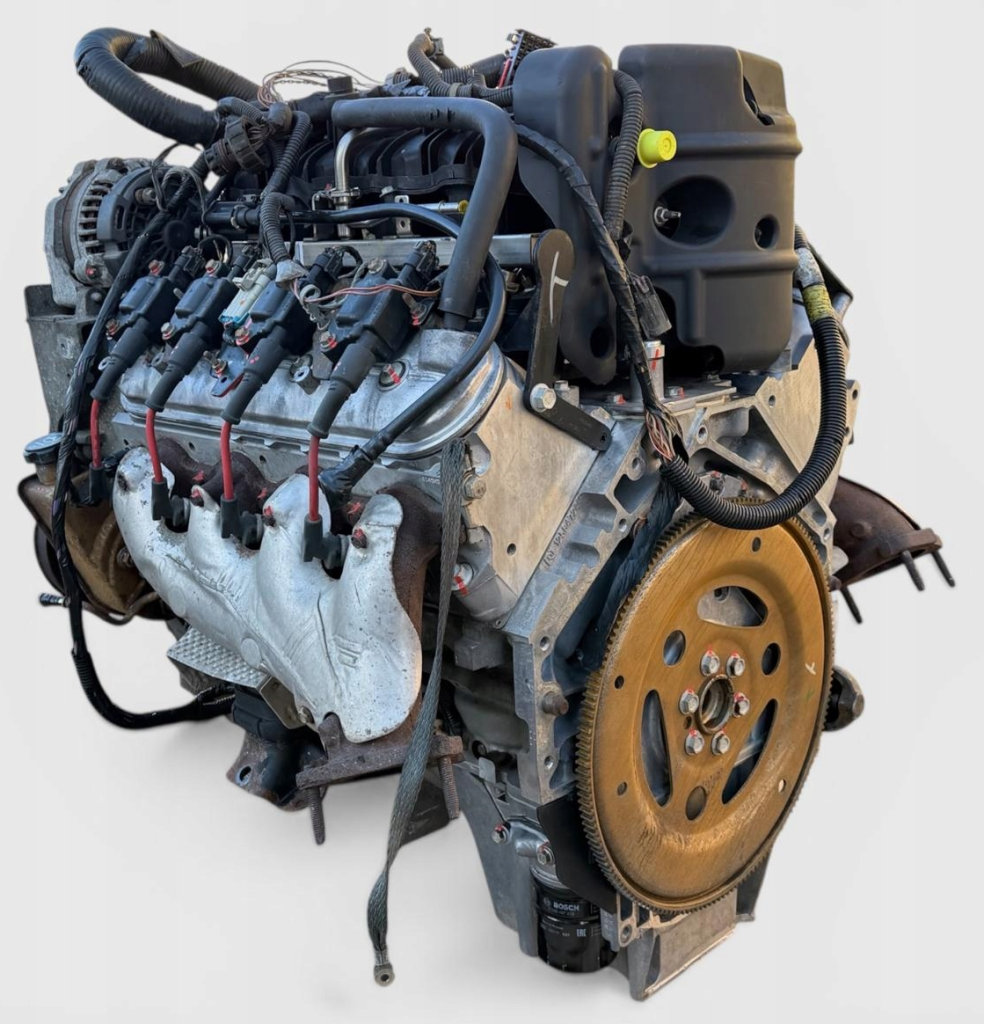
The core engineering of the L92 features a lightweight aluminum cylinder block with a deep-skirt design and high-flowing aluminum cylinder heads. It utilizes a sequential port fuel injection system, which ensures reliable fuel delivery and simple maintenance compared to modern direct-injection systems. Its defining technical attribute is Variable Valve Timing (VVT) operated via a cam-in-block phaser, allowing the engine to adjust valve events on the fly for optimized power and efficiency. Notably, the L92 does not feature Active Fuel Management (AFM), which simplifies its mechanical profile and enhances its long-term durability.
This specific engine model was officially deployed between 2007 and 2009. It was primarily utilized in premium luxury trims, including the Cadillac Escalade and Escalade EXT, the GMC Yukon Denali and Yukon XL Denali, the GMC Sierra Denali, and the Hummer H2.
Technical Specifications
| Displacement (cc) | 6,162 cc |
| Max Power (hp (kW) @ RPM) | 403 hp (301 kW) @ 5,700 RPM |
| Max Torque (Nm (kg*m) @ RPM) | 565 Nm (57.6 kg*m) @ 4,300 RPM |
| Fuel Type | Gasoline (Premium recommended) |
| Fuel Consumption (l/100 km) | Approximately 15.7 l/100 km (combined depending on model) |
| Engine Type | V8, 90-degree, naturally aspirated |
| Compression Ratio | 10.5:1 |
| Cylinder Bore (mm) | 103.25 mm |
| Piston Stroke (mm) | 92.00 mm |
| Valvetrain | OHV (Pushrod) with VVT |
| Valves per Cylinder | 2 |
| Additional Info | Features high-flow rectangular port heads (casting #823 or #5364) similar to the LS3. |
Common Problems & Reliability
- Variable Valve Timing Phaser Wear: The VVT actuator phaser can experience internal wear over time, which manifests as a rattling noise during cold starts and can eventually trigger engine timing correlation codes.
- Oil Pickup Tube O-Ring Failure: A critical point of high-mileage failure is the oil pickup tube O-ring inside the oil pan. If this seal degrades, cracks, or hardens, the oil pump draws in air, leading to drop in oil pressure and potential bearing damage.
- Exhaust Manifold Bolt Failure: Like many GM small-block engines of this era, the L92 is prone to breaking the rear exhaust manifold bolts, resulting in annoying exhaust leaks.
When properly maintained, the L92 boasts an exceptional service life. It is highly capable of reaching 320,000 to 400,000 kilometers (200,000 to 250,000 miles) before requiring a major mechanical overhaul or engine replacement.
Maintenance Tips & Service Schedule
To ensure maximum operational longevity, strict adherence to a precise maintenance routine is required. High-quality synthetic engine oil of 5W-30 viscosity meeting GM Dexos specifications is essential. The oil and filter should be changed every 8,000 to 10,000 kilometers (5,000 to 6,000 miles) to prevent sludge buildup, which can clog the sensitive VVT phaser screen.
- Spark Plugs and Ignition Wires: Replace every 160,000 kilometers (100,000 miles) to maintain optimal combustion.
- Cooling System: Perform a complete flush and refill with Dex-Cool coolant every five years or 150,000 kilometers to prevent corrosion within the aluminum block and heads.
- Oil Pressure Monitoring: Pay close attention to the dashboard gauge; any drop below 1.4 bar (20 psi) at a hot idle warrants an immediate inspection of the oil pickup tube seal.
Conclusion
The GMC L92 engine is an excellent and highly reliable choice for used vehicle buyers. Because it lacks the active fuel management system that plagued other Gen IV engines with lifter failures, it stands out as one of the most durable and robust V8 designs of its generation. Its combination of aluminum construction, superb airflow, and mechanical simplicity makes it a highly desirable power unit for long-term ownership.