
Overview & Design Features
The MG 15FCD engine is a modern, turbocharged, four-cylinder gasoline power unit developed by SAIC Motor Corporation Limited for its MG brand vehicles. With a displacement of 1498 cubic centimeters (1.5 liters), this engine represents a significant evolution in compact powertrain technology for the manufacturer, offering a balance of performance and efficiency. It is a cornerstone of MG’s global product strategy, particularly prevalent in markets prioritizing fuel economy and lower emissions without sacrificing dynamic capability.
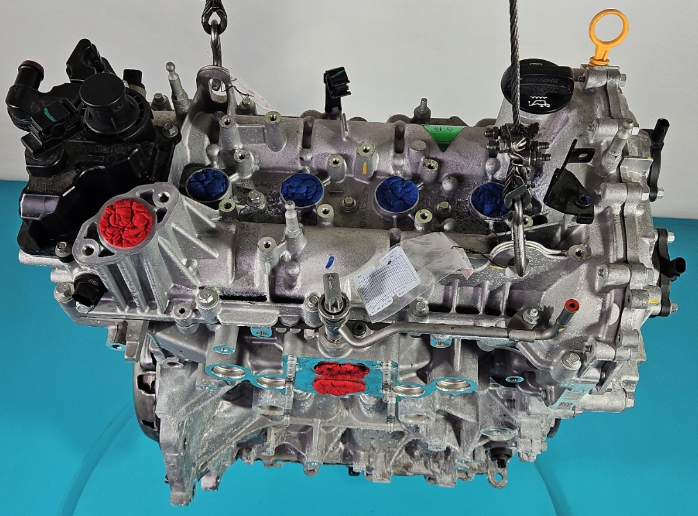
Engineered with a lightweight aluminum alloy cylinder block and cylinder head, the 15FCD utilizes a dual overhead camshaft (DOHC) valvetrain with four valves per cylinder, totalizing 16 valves. A key technological feature is its sophisticated direct fuel injection (GDI) system, which precisely atomizes fuel directly into the combustion chamber, enhancing fuel efficiency and power output. Variable Valve Timing (VVT) on both intake and exhaust camshafts optimizes valve overlap and lift across the RPM range, further improving throttle response and combustion efficiency. The inclusion of a turbocharger significantly boosts volumetric efficiency, delivering higher power and torque figures compared to naturally aspirated engines of similar displacement.
The MG 15FCD engine has been widely deployed across several of MG’s contemporary models, serving as a primary powertrain option. It is notably found in the MG ZS (often in specific trims like Trophy or higher-spec versions), the compact SUV MG HS, the MG 5 sedan, and more recently, the MG One. Production years for its main applications typically range from approximately 2017/2018 onwards, continuing into current model lineups, highlighting its status as a core component of MG’s modern vehicle architecture.
Technical Specifications
| Displacement | 1498 cc |
| Max Power | 169 hp (124 kW) @ 5600 RPM |
| Max Torque | 250 Nm (25.5 kg*m) @ 1700-4300 RPM |
| Fuel Type | Unleaded Gasoline (Recommended RON 95+) |
| Fuel Consumption (Combined) | 6.8 l/100 km (varies by vehicle model and driving conditions) |
| Engine Type | Inline-4, DOHC, Turbocharged, Direct Injection (GDI) |
| Compression Ratio | 10.5:1 |
| Cylinder Bore | 74.0 mm |
| Piston Stroke | 86.8 mm |
| Valvetrain | DOHC with Dual Variable Valve Timing (DVVT) |
| Valves per Cylinder | 4 |
| Additional Info | Turbocharged, Direct Fuel Injection (GDI), Aluminum Block & Head |
Common Problems & Reliability
The MG 15FCD, as a modern direct-injected turbocharged engine, exhibits reliability generally commensurate with its class, but it is not immune to specific issues. One common concern for GDI engines is carbon buildup on intake valves. Without the washing effect of fuel passing over the valves, deposits can accumulate, leading to reduced airflow, misfires, and decreased performance over time. This typically manifests after 60,000 to 80,000 kilometers. Another potential area for attention is the timing chain system. While designed for the life of the engine, inadequate oil changes or prolonged exposure to contaminated oil can accelerate wear, leading to chain stretch and potential timing discrepancies. Early signs include rattling noises from the front of the engine, particularly on cold starts. Lastly, due to its turbocharged nature, the turbocharger assembly and its associated oil feed lines and wastegate actuator can be sources of issues. Oil line blockages or wastegate actuator failures can lead to reduced boost pressure or unusual noises. Under proper care and maintenance, the MG 15FCD typically has an expected service life of 200,000 to 250,000 kilometers before requiring major overhaul.
Maintenance Tips & Service Schedule
To ensure the longevity and optimal performance of the MG 15FCD engine, strict adherence to the manufacturer’s maintenance schedule is paramount.
- Engine Oil & Filter: Oil changes are critical for turbocharged GDI engines. A full synthetic engine oil conforming to API SN/SP or ACEA C3 standards, with a viscosity of 5W-30 or 0W-20 (depending on climate and manufacturer recommendation), should be used. Intervals are typically every 10,000 kilometers or 12 months, whichever comes first. For vehicles subjected to severe driving conditions (frequent short trips, heavy traffic, extreme temperatures), a 7,500-kilometer interval is advisable.
- Spark Plugs: Iridium-tipped spark plugs are typically specified for their extended life. Replacement is generally recommended every 40,000 to 60,000 kilometers.
- Air Filter: Inspect annually and replace every 20,000 to 30,000 kilometers, or more frequently if driven in dusty environments.
- Fuel Filter: Many modern systems feature a long-life or in-tank fuel filter; however, consulting the service manual for specific replacement intervals is crucial.
- Coolant: The engine utilizes a long-life coolant. A full flush and replacement are usually recommended every 5 years or 100,000 kilometers, using an ethylene glycol-based, silicate-free coolant.
- Timing Chain: As a timing chain is used, periodic inspection for excessive slack or noise is recommended around 100,000 kilometers. Replacement is typically only necessary if issues arise, unlike timing belts.
- PCV Valve & System: Regular inspection of the Positive Crankcase Ventilation (PCV) valve and associated hoses is advised to mitigate carbon buildup. Cleaning or replacement may be necessary every 50,000 kilometers.
Conclusion
The MG 15FCD engine offers a compelling package of modern technology, delivering strong performance and reasonable fuel efficiency for its applications. For a used vehicle buyer, it represents a generally reliable choice, provided that its history includes diligent and consistent maintenance, especially regarding oil changes with the correct specifications. Awareness of potential issues such as carbon buildup and timing chain longevity, typical of its engine type, allows for proactive preventative measures. With proper care and adherence to a rigorous service schedule, the 15FCD can provide many years of dependable service.