
Overview & Design Features
The MG 15C4E is a modern, compact, turbocharged four-cylinder gasoline engine developed by SAIC Motor, the parent company of MG. Representing a contemporary approach to internal combustion engine design, this powerplant features a displacement of 1498 cubic centimeters, optimized for a balance of power, efficiency, and emissions compliance in a range of passenger vehicles. Its introduction marked a significant step in MG’s powertrain strategy, providing competitive performance for global markets and emphasizing advanced engineering for its segment.
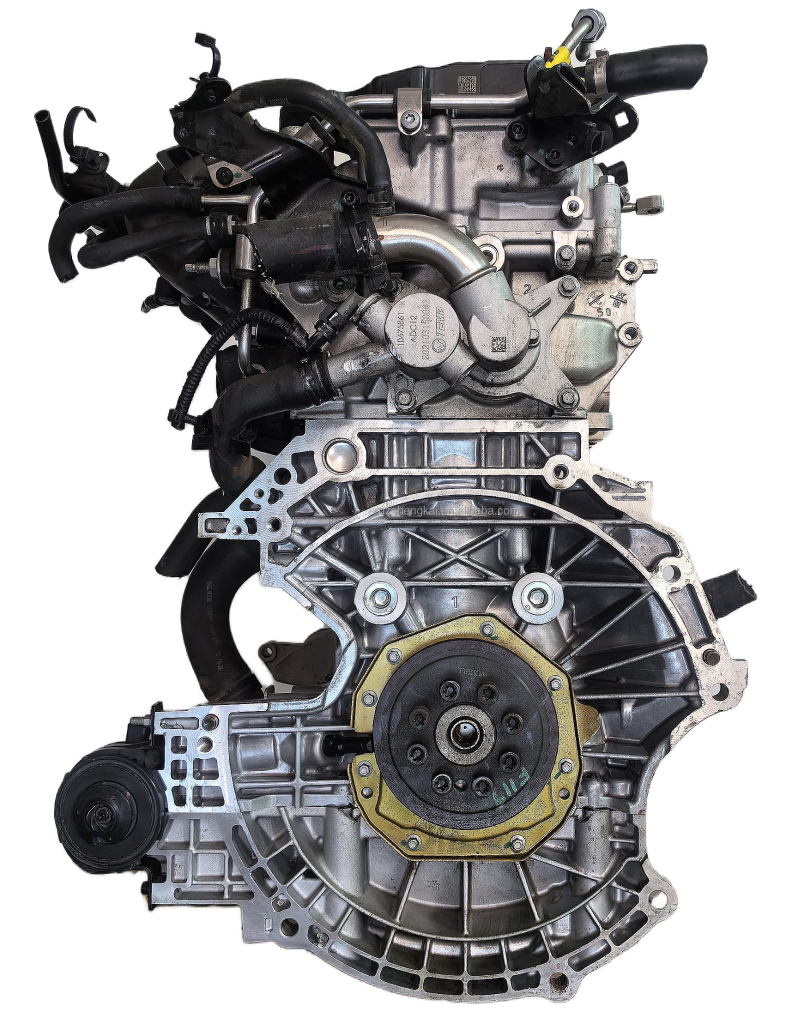
Engineered with an all-aluminum construction for both the cylinder block and cylinder head, the 15C4E benefits from reduced weight, contributing to overall vehicle efficiency and improved handling dynamics. It incorporates Gasoline Direct Injection (GDI) for precise fuel delivery and enhanced combustion efficiency across various operating conditions. The valvetrain utilizes a Double Overhead Camshaft (DOHC) design with 16 valves, featuring Dual Variable Valve Timing (DVVT) on both intake and exhaust camshafts. This technology continuously adjusts valve overlap and lift, optimizing torque output and fuel economy while minimizing emissions. Forced induction is provided by a single turbocharger with an intercooler, significantly boosting power density without a substantial increase in engine size.
This specific engine variant has seen widespread deployment across several MG and SAIC-affiliated models. Key applications include the MG ZS (Trophy/Luxury variants in various markets), the MG HS, the MG GT, and the MG Hector. Production years typically range from approximately 2017 onwards, adapting to different market specifications and vehicle updates, solidifying its role as a versatile and core engine in MG’s current lineup.
Technical Specifications
| Specification | Value |
|---|---|
| Displacement | 1498 cc |
| Max Power | 168 hp (124 kW) @ 5600 RPM |
| Max Torque | 250 Nm @ 1700-4400 RPM |
| Fuel Type | Gasoline |
| Fuel Consumption (l/100 km) | Refer to manufacturer’s technical documentation |
| Engine Type | Inline 4-cylinder, DOHC, Turbocharged |
| Compression Ratio | 10.0:1 |
| Cylinder Bore | 74.0 mm |
| Piston Stroke | 86.6 mm |
| Valvetrain | DOHC, 16-valve, Dual VVT |
| Valves per Cylinder | 4 |
| Additional Info | Turbocharged, Intercooled, Gasoline Direct Injection (GDI) |
Common Problems & Reliability
The MG 15C4E engine, being a modern direct-injection turbocharged unit, exhibits typical characteristics and potential vulnerabilities associated with this design. One common area of concern involves carbon buildup on the intake valves. Due to GDI technology, fuel is injected directly into the combustion chamber, bypassing the intake valves. This prevents the natural cleaning action of fuel washing over the valves, leading to carbon deposits over time. Symptoms can include reduced performance, rough idle, and decreased fuel efficiency, particularly at higher mileages. Regular fuel system cleaner use and professional intake valve cleaning (walnut blasting) are preventative measures.
Another potential weak point pertains to the turbocharger assembly. While generally robust, turbocharger longevity is highly dependent on oil quality and maintenance. Inadequate oil changes, using incorrect oil viscosity, or frequent aggressive driving without proper cool-down periods can lead to premature wear of the turbo bearings or seals, resulting in increased oil consumption and potential turbocharger failure. Early signs often include unusual noises, visible smoke from the exhaust, or a noticeable drop in boost pressure.
Furthermore, occasional reports suggest issues with the PCV (Positive Crankcase Ventilation) system, which can manifest as elevated oil consumption if components become clogged or fail. Regular inspection and cleaning of the PCV valve can help mitigate this. Under proper care and adherence to manufacturer-recommended service schedules, the MG 15C4E engine can realistically achieve a service life of 200,000 to 250,000 kilometers before requiring a major overhaul.
Maintenance Tips & Service Schedule
Optimal longevity and performance of the MG 15C4E engine hinge on diligent maintenance. Regular oil changes are paramount, utilizing a high-quality, synthetic engine oil meeting API SN/SP standards with a recommended viscosity such as 5W-30 or 0W-20, as specified by the manufacturer for the specific climate and driving conditions. Oil and filter changes should be performed every 10,000 kilometers or every 12 months, whichever comes first, or more frequently under severe driving conditions.
Spark plugs should be inspected and replaced approximately every 40,000 to 60,000 kilometers, depending on the plug type and manufacturer’s recommendation. The engine utilizes a timing chain, which is generally designed for the life of the engine; however, inspection for excessive slack or noise is advisable at higher mileages (e.g., 150,000 kilometers). Coolant flushes and replacements should adhere to the manufacturer’s schedule, typically every 5 years or 100,000 kilometers, to maintain cooling system efficiency and prevent corrosion.
Air filters and fuel filters (if externally serviceable) require periodic replacement to ensure optimal combustion and prevent strain on the fuel pump. For turbocharged engines, it is beneficial to allow the engine to warm up before demanding full power and to idle briefly before shutdown after spirited driving, allowing the turbocharger to cool down and preventing oil coking in the bearing housing.
Conclusion
The MG 15C4E engine presents itself as a robust and modern powertrain within its class, offering a compelling blend of performance and efficiency for a variety of MG vehicles. For a used vehicle buyer, it can be a reliable choice, provided the vehicle has a documented history of consistent and proper maintenance. Its advanced features like GDI and DVVT contribute to a refined driving experience. However, prospective owners must be prepared for the specific maintenance demands of a direct-injection turbocharged engine, particularly regarding oil quality, change intervals, and potential for carbon buildup. With attentive care, the 15C4E engine is capable of delivering many years of dependable service.