
Overview & Design Features
The General Motors L33, a distinguished member of the third-generation LS small-block V8 engine family, represents a significant engineering stride within GM’s truck and SUV powertrain offerings. Introduced in 2005, this naturally aspirated 5.3-liter (5327 cc / 325 cu in) V8 engine was developed to offer enhanced performance and reduced mass compared to its iron-block counterparts. Its configuration as a 90-degree V8, featuring an overhead valve (OHV) pushrod design, emphasizes compactness and a robust low-end torque delivery, characteristic of American V8 philosophy. The L33 is recognized for its unique combination of power and the strategic implementation of lightweight materials, setting it apart as a “High-Output” variant within its displacement class.
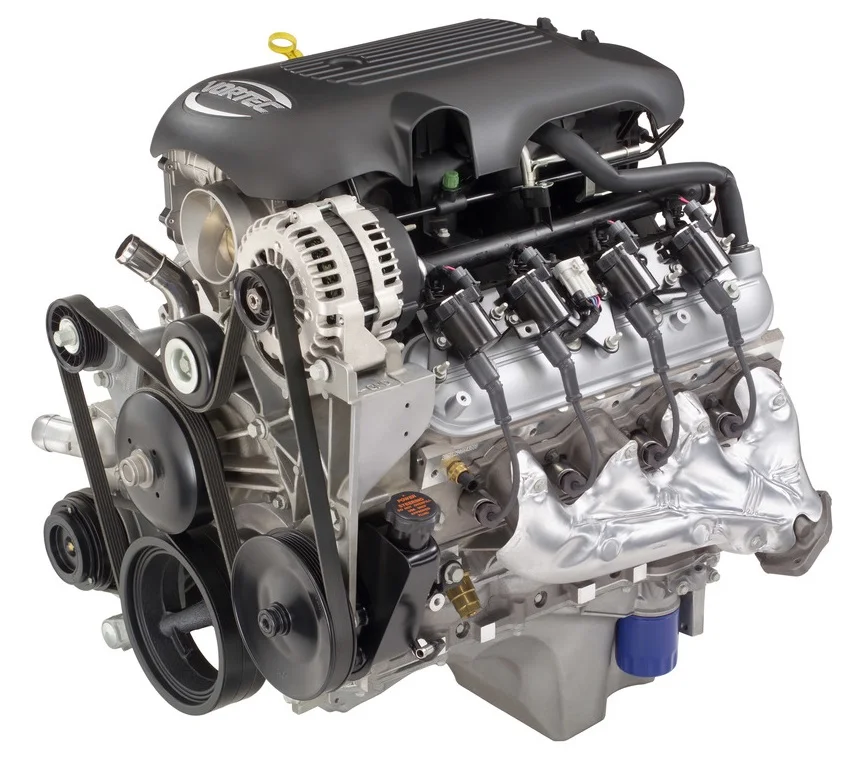
A key distinguishing feature of the L33 engine is its all-aluminum construction, encompassing both the cylinder block and cylinder heads. This material choice significantly reduces overall engine weight, contributing to improved vehicle dynamics and fuel efficiency. The cylinder heads feature a cathedral-port design, known for its efficient airflow characteristics and contribution to the engine’s strong power band. Fuel delivery is managed by a sequential multi-port fuel injection (MPFI) system, providing precise fuel metering to each cylinder. The valvetrain utilizes a traditional pushrod architecture with hydraulic roller lifters, ensuring reliable operation and minimizing maintenance needs associated with valve lash adjustments. This design choice underscores a commitment to durability and straightforward engineering.
The GM L33 engine was primarily deployed in light-duty truck applications, offering a blend of power and efficiency for its era. Its main applications included the 2005-2007 Chevrolet Silverado 1500 and GMC Sierra 1500, specifically in Extended Cab and 4×4 configurations, and occasionally in Regular Cab/2WD models. While not directly branded under the Cadillac marque, the L33 embodies the robust and performance-oriented engineering principles prevalent across General Motors’ diverse product portfolio, including those influencing Cadillac’s SUV powertrains during this period.
Technical Specifications
| Displacement (cc) | 5327 |
| Max Power (hp (kW) @ RPM) | 310-315 hp (231-235 kW) @ 5200 RPM |
| Max Torque (Nm (kg*m) @ RPM) | 454-461 Nm (46.3-47.0 kg*m) @ 4000 RPM |
| Fuel Type | Gasoline (Regular Unleaded, 87 Octane) |
| Fuel Consumption (l/100 km) | 14.0 – 18.0 (Combined, depending on vehicle configuration) |
| Engine Type | Naturally Aspirated V8, OHV (Overhead Valve) |
| Compression Ratio | 9.9:1 – 10.0:1 |
| Cylinder Bore (mm) | 96.01 |
| Piston Stroke (mm) | 92.00 |
| Valvetrain | Pushrod, Hydraulic Roller Lifters |
| Valves per Cylinder | 2 |
| Additional Info | Aluminum Block & Heads, Multi-Port Fuel Injection (MPFI) |
Common Problems & Reliability
- Oil Consumption: A notable characteristic of some Gen III LS engines, including the L33, can be elevated oil consumption. This is often attributed to the PCV (Positive Crankcase Ventilation) system design and, in some cases, piston ring design, leading to oil being drawn into the intake manifold. Regular monitoring of oil levels is essential, and addressing PCV system components can sometimes mitigate this issue.
- Lifter & Camshaft Wear: The hydraulic roller lifters, while generally robust, can be susceptible to failure, particularly if oil change intervals are neglected or incorrect oil viscosities are used. Failed lifters typically manifest as ticking noises and, if unaddressed, can lead to accelerated camshaft lobe wear, requiring significant engine disassembly for repair.
- Knock Sensor Failure: The L33 engine utilizes two knock sensors located under the intake manifold, nestled in valleys of the block. These sensors are prone to corrosion and failure due to water accumulation from cowl leaks or poor sealing, leading to reduced engine performance and illumination of the check engine light.
Despite these potential issues, the GM L33 engine is largely considered a highly reliable and durable powertrain. With diligent maintenance and timely addressing of common wear items, an L33 engine can realistically achieve a service life exceeding 200,000 miles (approximately 320,000 km) before requiring a major overhaul.
Maintenance Tips & Service Schedule
- Engine Oil & Filter: Adhere strictly to the manufacturer’s recommended oil change intervals, typically every 5,000-7,500 miles (8,000-12,000 km) or as indicated by the vehicle’s Oil Life Monitor. Use a high-quality 5W-30 synthetic blend or full synthetic engine oil to ensure proper lubrication of the valvetrain and to minimize wear. Regular oil level checks are critical due to potential oil consumption.
- Spark Plugs: Replace iridium-tipped spark plugs approximately every 100,000 miles (160,000 km). This ensures optimal combustion efficiency and prevents misfires that can stress ignition components and catalytic converters.
- Coolant System: Flush and refill the cooling system with fresh Dex-Cool extended-life coolant every 5 years or 150,000 miles (240,000 km), whichever comes first. This prevents corrosion and maintains the efficiency of the cooling system, crucial for engine longevity.
- Air Filter: Inspect the engine air filter at every oil change and replace it as needed, or at least every 15,000-30,000 miles (24,000-48,000 km), depending on driving conditions. A clean air filter is vital for proper air intake and fuel efficiency.
- Fuel Filter: The fuel filter is typically integrated within the fuel pump module in the tank and designed for extended service life. Refer to manufacturer specifications for inspection or replacement intervals; often, it is not a regularly serviced item unless fuel delivery issues arise.
- Timing Chain: The L33 employs a robust timing chain system designed to last the life of the engine. It typically does not require scheduled replacement under normal operating conditions. However, during high-mileage engine overhauls, inspection and replacement of the chain, sprockets, and tensioner are recommended.
Conclusion
The GM L33 engine stands as a testament to the robust and performance-oriented engineering of its era. Its all-aluminum construction provides a desirable balance of power and reduced weight. While exhibiting a few known issues typical of the Gen III LS platform, such as potential oil consumption and specific lifter or knock sensor vulnerabilities, these are generally manageable with proactive maintenance. For a used vehicle buyer, an L33-equipped vehicle represents a generally reliable and durable choice, particularly if its service history indicates consistent maintenance. With proper care and attention to the common areas of concern, the L33 is capable of delivering many years and miles of dependable service.