
Overview & Design Features
The Chery SQR481FC is a prominent naturally aspirated, four-cylinder gasoline engine produced by the Chinese automotive manufacturer Chery Automobile Co., Ltd. Representing a significant step in Chery’s journey towards independent powertrain development, this 1.8-liter (1797 cc) inline-four unit offered a balance of performance and cost-effectiveness for its target markets. Initially conceived as a robust and reliable powerplant for a range of Chery’s compact and mid-sized vehicles, the SQR481FC played a crucial role in establishing the brand’s engineering capabilities in the early to mid-2000s.
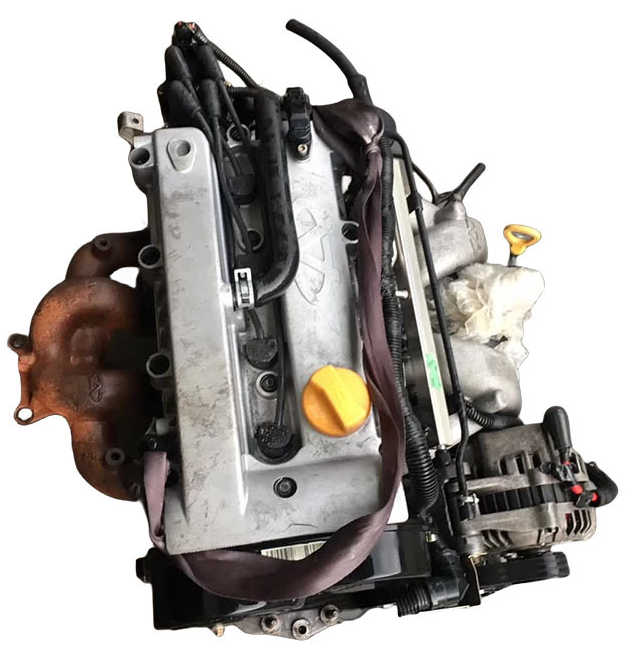
Engineered with a conventional yet durable architecture, the SQR481FC typically features a cast-iron cylinder block for structural rigidity and an aluminum alloy cylinder head for weight reduction and improved heat dissipation. It utilizes a Double Overhead Camshaft (DOHC) valvetrain configuration, driving 16 valves (four per cylinder), which optimizes airflow for improved breathing and combustion efficiency compared to single overhead camshaft designs of the era. Fuel delivery is managed by a multi-point electronic fuel injection (MPFI) system, known for its proven reliability and precise fuel metering across various operating conditions. This design prioritizes longevity and ease of maintenance, reflecting the engine’s widespread application in diverse operational environments.
Throughout its production lifecycle, the Chery SQR481FC engine was a workhorse for numerous Chery models. It was notably deployed in the Chery A5 sedan, the popular Chery Tiggo 3 (also known as Tiggo FL or Tiggo 5X in some markets), and the Chery Eastar (V5) minivan. Additionally, this engine found its way into other brand offerings such as the Chery Cowin 3, further cementing its presence across Chery’s diverse product portfolio from approximately 2005 onwards, providing a dependable power source for millions of vehicles globally.
Technical Specifications
| Specification | Value |
|---|---|
| Displacement (cc) | 1797 |
| Max Power (hp (kW) @ RPM) | 132 hp (97 kW) @ 5750 RPM |
| Max Torque (Nm (kg*m) @ RPM) | 170 Nm (17.3 kg*m) @ 4300-4500 RPM |
| Fuel Type | Gasoline (Petrol) |
| Fuel Consumption (l/100 km) | 6.5 – 9.0 (Varies by vehicle application and driving conditions) |
| Engine Type | Inline-4, Naturally Aspirated |
| Compression Ratio | 10.5:1 |
| Cylinder Bore (mm) | 81 |
| Piston Stroke (mm) | 87.5 |
| Valvetrain | DOHC (Double Overhead Camshaft) |
| Valves per Cylinder | 4 (Total 16 valves) |
| Additional Info | Multi-Point Fuel Injection (MPFI), Timing Belt driven camshafts |
Common Problems & Reliability
The Chery SQR481FC engine generally exhibits reasonable reliability when subjected to proper maintenance. However, certain common issues have been observed over its operational lifespan. One prevalent concern relates to oil leaks, frequently originating from the valve cover gasket, oil pan gasket, or crankshaft seals, particularly as engines accumulate higher mileage. These leaks, if left unaddressed, can lead to reduced oil levels and potential engine damage. Another area of focus for this engine is the cooling system; thermostat failures, radiator leaks, and worn water pumps are not uncommon, which can lead to overheating if not regularly inspected and serviced. Furthermore, ignition system components, specifically spark plugs and ignition coils, can experience premature wear, manifesting as misfires or rough idling.
Under optimal care, including adherence to factory service schedules and prompt attention to minor issues, the Chery SQR481FC engine can realistically achieve a service life of approximately 200,000 to 250,000 kilometers before requiring major overhaul considerations. Neglect of essential maintenance, especially timing belt replacement, significantly shortens this expected lifespan.
Maintenance Tips & Service Schedule
- Engine Oil: Regular oil changes are paramount. It is recommended to use a high-quality 5W-30 or 5W-40 synthetic or semi-synthetic engine oil, conforming to API SM/SN or equivalent standards. The service interval for oil and filter replacement should be every 7,500 to 10,000 kilometers or every 6-12 months, whichever comes first, depending on driving conditions.
- Spark Plugs: Spark plugs should be inspected and replaced every 30,000 to 40,000 kilometers. Using genuine or high-quality OEM-equivalent platinum or iridium plugs is advisable for optimal ignition performance and fuel efficiency.
- Timing Belt: The SQR481FC utilizes a timing belt, which is a critical component for engine operation. It must be replaced proactively, typically every 60,000 to 80,000 kilometers or every 4-5 years, whichever occurs first. Failure to replace the timing belt at the specified interval can lead to catastrophic engine damage. It is also recommended to replace the water pump and tensioner pulleys simultaneously.
- Coolant: The engine coolant should be flushed and replaced every 2-3 years or 40,000-60,000 kilometers, using an ethylene glycol-based coolant meeting manufacturer specifications. Regular inspection of coolant levels and hoses is also important.
- Air Filter: The engine air filter should be checked at every oil change and replaced every 15,000-20,000 kilometers or more frequently in dusty environments.
- Fuel Filter: Replacement of the fuel filter is recommended every 40,000-60,000 kilometers to ensure clean fuel delivery and protect fuel injectors.
Conclusion
The Chery SQR481FC engine stands as a testament to Chery’s early independent engineering efforts, offering a reliable, albeit not technologically groundbreaking, power solution for various vehicles. Its relatively simple DOHC MPFI design contributes to its overall robustness and ease of maintenance, making it a viable choice for a used vehicle buyer on a budget. When considering a used vehicle equipped with the SQR481FC, the primary concern should be the documented maintenance history, particularly evidence of timely timing belt replacements and consistent oil changes. Vehicles with a well-maintained SQR481FC engine can provide many more kilometers of dependable service, proving to be a safe and economical choice for drivers who prioritize practicality and low running costs over cutting-edge performance or advanced features.