
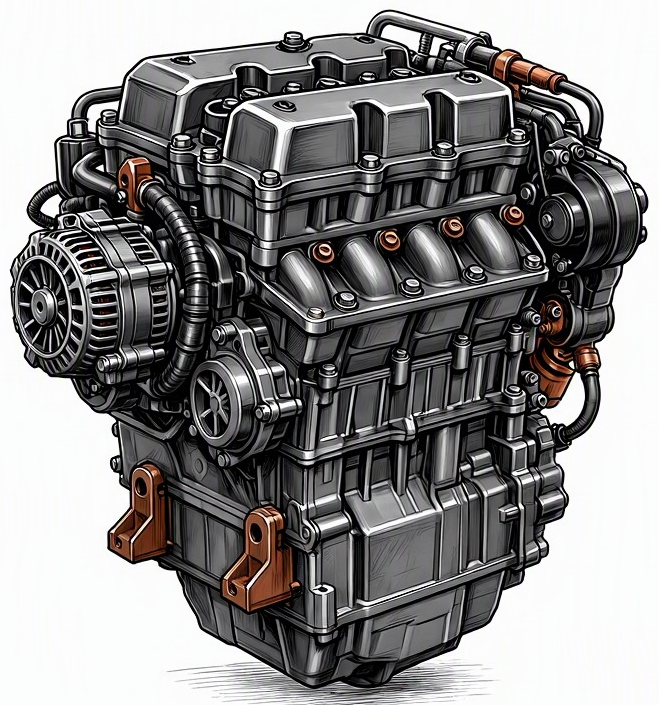
Problem Overview & Engine Systems
Diesel SCR (Selective Catalytic Reduction) AdBlue injector crystallization is a prevalent malfunction within the Exhaust Aftertreatment System (EATS), specifically impacting the Selective Catalytic Reduction (SCR) system. This condition involves the formation of solid urea deposits, primarily cyanuric acid and melamine, which are byproducts of incomplete urea thermolysis, within or immediately surrounding the AdBlue (Diesel Exhaust Fluid – DEF) injector nozzle. The DEF injector is a critical component responsible for atomizing and introducing AdBlue into the exhaust stream upstream of the SCR catalyst. When crystallization occurs, the fine spray pattern of the DEF injector is compromised or completely obstructed, leading to inefficient or insufficient urea delivery. The specific engine systems directly affected are the SCR dosing system (which includes the DEF tank, dosing pump, heater, lines, and injector) and, as a downstream consequence, the SCR catalytic converter and NOx sensors. Internal components directly affected are the DEF injector nozzle and pintle assembly, the injector heating element (if present), and potentially the internal passages of the injector body. Severe crystallization can also lead to urea deposits accumulating on the face of the SCR catalyst, impairing its NOx conversion efficiency and increasing exhaust backpressure.
Common Symptoms
- Primary Signs: Check Engine Light (CEL) illumination, accompanied by specific SCR System Malfunction Indicators or DEF System Warning Messages on the instrument cluster. Visible white exhaust smoke may be observed under load, indicative of unvaporized DEF passing through the system. Diagnostic Trouble Codes (DTCs) related to NOx sensor inefficiency or DEF system performance (e.g., P20EE, P208A, P203F, P204F) will typically be stored.
- Engine Behavior Changes: The most significant change is a progressive reduction in engine power and torque (limp mode or derating), mandated by emissions regulations when the SCR system malfunctions. This can lead to poor acceleration and reduced top speed. In severe cases, particularly if the fault is ignored, a “no-start” condition may be enforced after a countdown or upon the next key cycle. While not a direct cause, the engine’s combustion strategy may be altered to compensate for high NOx, indirectly affecting fuel economy or causing slightly rougher running at idle.
Root Causes & Failure Mechanisms
- Incomplete DEF Vaporization: This is the primary mechanism. It occurs when exhaust gas temperatures (EGTs) are consistently too low (e.g., during frequent short trips, prolonged idling, or light-load operation), preventing the DEF from fully vaporizing and decomposing into ammonia. Instead, it bakes onto the injector or exhaust pipe, leading to urea deposit formation.
- Poor DEF Quality or Contamination: Using DEF that does not meet ISO 22241 standards, has incorrect urea concentration (ideally 32.5%), is contaminated with water, hydrocarbons, or other impurities, or is past its expiry date can accelerate crystallization. These contaminants can alter the spray characteristics or leave behind non-volatile residues.
- Injector Dribble or Leakage: A faulty DEF injector that does not seal properly after injection, allowing residual DEF to dribble or seep onto the hot exhaust pipe, will inevitably lead to crystallization as the liquid evaporates.
- Incorrect DEF Injection Strategy or Timing: Malfunctions in the Engine Control Module (ECM) or SCR dosing unit that result in incorrect DEF injection timing, duration, or quantity can contribute to poor atomization and incomplete vaporization.
- External Exhaust System Factors: Leaks in the exhaust system upstream of the DEF injector can alter exhaust gas flow and temperature dynamics, impeding proper DEF mixing and vaporization. Conversely, excessive exhaust backpressure from a restricted Diesel Particulate Filter (DPF) or SCR catalyst can also affect local gas flow around the injector.
- Defective Injector Heating Element: Many DEF injectors incorporate a heating element to prevent crystallization during cold starts and to assist vaporization. A failure of this element can exacerbate crystallization issues.
How to Diagnose and Troubleshoot
Diagnosis of DEF injector crystallization requires a systematic approach:
- OBD-II Scan & DTC Analysis: Connect a professional diagnostic scanner and retrieve all stored DTCs, paying close attention to P-codes related to SCR system performance, NOx sensor readings, and DEF injector control circuits. Analyze freeze-frame data to understand engine operating conditions when the fault occurred.
- Visual Inspection of DEF Injector Nozzle: Carefully remove the DEF injector (if accessible without significant disassembly) or inspect it in situ using an endoscope. Look for white, hard, crystalline deposits around the nozzle orifice, pintle, and the surrounding exhaust pipe section. Assess the severity of the buildup.
- Live Data Monitoring: With the engine running, monitor key SCR system parameters:
- NOx Sensor Readings: Observe pre- and post-SCR catalyst NOx sensor values. A high post-SCR NOx reading while pre-SCR NOx is also high (and the engine is under load) indicates inefficient NOx conversion, often due to inadequate DEF dosing.
- DEF Pressure Sensor: Check for stable DEF pressure from the dosing pump. Fluctuations or incorrect pressure can indicate pump issues, line blockages, or injector restriction.
- DEF Tank Temperature and Level Sensors: Verify correct readings to rule out issues with DEF quality degradation due to improper temperature or low fluid levels.
- Exhaust Gas Temperatures (EGTs): Monitor EGTs upstream of the DEF injector. Consistently low EGTs confirm a root cause of poor vaporization.
- DEF Injector Duty Cycle/Commanded vs. Actual Flow: Compare commanded DEF injection rates from the ECM to actual flow rates (if available). Discrepancies may point to injector blockage.
- Injector Functional Test: Use a bi-directional scanner to command the DEF injector to perform a functional test. Listen for the characteristic clicking sound of the injector solenoid. If possible and safe, perform a spray pattern test into a collection container to visually assess atomization (wear appropriate PPE and follow manufacturer guidelines). A fine mist is ideal; a stream or large droplets indicate crystallization.
- DEF Quality Test: Use a refractometer to measure the urea concentration of the DEF in the tank. The reading should be approximately 32.5%. Also, visually inspect the DEF for contaminants or discoloration.
- Exhaust System Backpressure Check: If severe crystallization is suspected on the SCR catalyst face, measure exhaust backpressure before and after the catalyst using a pressure gauge. Elevated backpressure indicates a restriction.
Recommended Repairs and Solutions
The primary repair strategy for DEF injector crystallization depends on the severity:
- Mild Crystallization: In some cases, if the crystallization is minor and detected early, specialized cleaning procedures might be attempted. This often involves removing the injector and soaking it in hot de-ionized water or a manufacturer-approved chemical solution to dissolve the urea deposits, followed by ultrasonic cleaning. However, this is often a temporary solution, and the underlying cause must still be addressed.
- Moderate to Severe Crystallization: The most common and recommended repair is the replacement of the DEF injector assembly. This ensures a new, properly functioning injector with the correct spray pattern and heating element.
- SCR Catalyst Decontamination/Replacement: If crystallization has led to significant urea deposits on the SCR catalyst face, the catalyst may require specialized cleaning (e.g., baking or chemical wash, if recommended by the manufacturer) or, in severe cases, replacement of the SCR catalyst unit. Failure to address catalyst contamination will result in continued NOx conversion inefficiency and potential exhaust flow restriction.
- NOx Sensor Replacement: If NOx sensors have become fouled or damaged due to prolonged exposure to unvaporized DEF or incorrect exhaust gas composition, they will require replacement to ensure accurate emissions monitoring.
- Software Updates: Check for any available ECM/PCM software updates that may contain optimized DEF injection strategies designed to mitigate crystallization issues.
- Component Replacement Scale: Repairs typically range from component replacement (injector, NOx sensors) to module replacement (SCR catalyst). A complete engine overhaul is not a direct consequence of DEF injector crystallization.
- Driving Safety Risk Factors: Operating a vehicle with active SCR system faults and reduced engine power (limp mode) poses a significant safety risk, especially in situations requiring rapid acceleration or high-speed maneuvers (e.g., highway merging, overtaking). The driver must be made aware of this risk, and the repair should be performed promptly. Continued operation will also lead to escalating repair costs due to secondary component damage.
Maintenance Recommendations
Preventing DEF injector crystallization involves proactive measures and proper operational habits:
- Use Certified DEF: Always use Diesel Exhaust Fluid that meets the international standard ISO 22241. Purchase DEF from reputable sources to ensure quality and proper urea concentration (32.5%). Check the manufacturing and expiry dates of DEF containers.
- Optimal Operating Conditions: Regularly operate the vehicle under sufficient load and for extended periods (e.g., highway driving) to ensure the exhaust system reaches and maintains optimal temperatures for complete DEF vaporization. Avoid prolonged idling and excessive short-trip driving cycles when possible.
- Adhere to Service Intervals: Follow the manufacturer’s recommended service intervals for DEF system checks and fluid replacement. Some heavy-duty applications may recommend periodic DEF injector inspection.
- Proper DEF Tank Management: Avoid running the DEF tank completely dry, as this can introduce air into the dosing system and potentially trigger fault codes. Conversely, do not overfill the tank. Ensure the DEF tank cap is always securely tightened to prevent contamination.
- Address Warning Lights Promptly: Never ignore SCR or DEF system warning lights or messages on the dashboard. Prompt diagnosis and repair of any detected faults can prevent minor crystallization from escalating into severe, costly damage.
- Engine Health: Ensure the engine’s combustion system and DPF are functioning correctly. Issues leading to low EGTs (e.g., clogged DPF, misfiring injectors) can indirectly contribute to DEF crystallization.
