
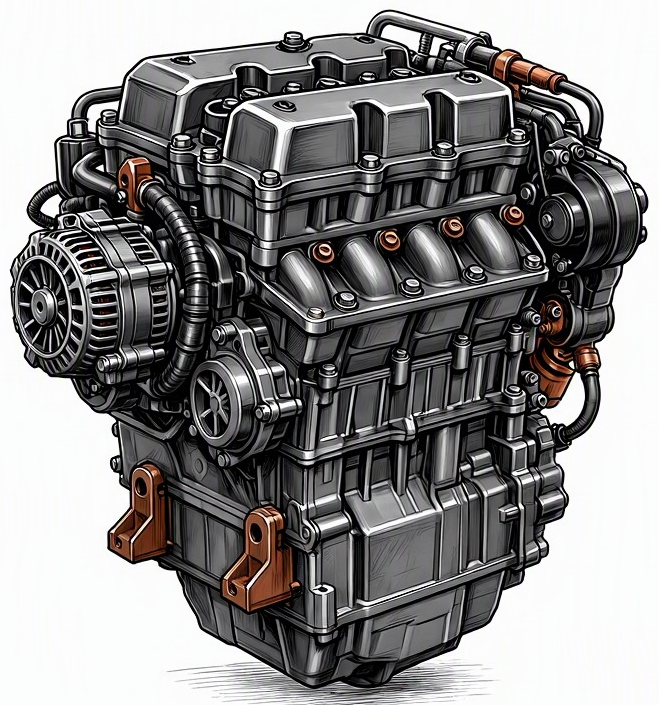
Problem Overview & Engine Systems
Fuel tank lift pump strainer blockage is a critical malfunction within an internal combustion engine’s fuel delivery system, specifically impacting the low-pressure side. The lift pump, also known as the fuel transfer pump or in-tank fuel pump, is responsible for drawing fuel from the main fuel tank and supplying it under positive pressure to the engine’s primary fuel filter and subsequently to the high-pressure fuel pump (in direct injection systems) or directly to the fuel rail (in port fuel injection systems). The strainer, typically a fine mesh screen integral to or preceding the lift pump’s inlet, acts as the primary defense against macroscopic contaminants entering the pump and downstream components. When this strainer becomes occluded by particulate matter, it restricts the volumetric flow rate of fuel to the lift pump, leading to a significant reduction in fuel system pressure and an inadequate supply of fuel to the engine.
This issue directly pertains to the Fuel Delivery System and, secondarily, the Engine Control Unit (ECU) which monitors fuel pressure and flow. Internal components directly affected include the fuel tank lift pump itself, which may experience increased workload and premature failure due to cavitation and overheating; the fuel lines, which will see reduced internal pressure; the main fuel filter(s), which may become prematurely clogged if smaller particles bypass the strainer; and ultimately, the fuel injectors and high-pressure fuel pump (if present) that become starved of fuel, leading to performance degradation and potential damage from inadequate lubrication or thermal stress.
Common Symptoms
- Primary Signs:
- Check Engine Light (CEL) illumination with specific Diagnostic Trouble Codes (DTCs) related to fuel system pressure (e.g., P0087 – Fuel Rail/System Pressure Too Low, P0088 – Fuel Rail/System Pressure Too High (due to erratic pressure regulation attempting to compensate), P00C6 – Fuel Rail Pressure Too Low – Engine Cranking).
- A distinct whining or groaning noise emanating from the fuel tank area, indicative of the lift pump struggling against a restricted inlet.
- Unusual or inconsistent exhaust smoke color, potentially light grey or white smoke under load due to a lean fuel condition, or black smoke from incomplete combustion if fuel pressure is erratic.
- Engine Behavior Changes:
- Engine misfires, particularly under acceleration or heavy load, due to insufficient fuel supply to individual cylinders.
- Significant power loss, manifesting as poor acceleration, reduced top speed, and inability to maintain highway speeds.
- Fluctuating idle speed, characterized by an unstable RPM, often accompanied by a rough idle or vibration.
- Hard starting or extended cranking times, as the fuel system struggles to build adequate pressure during engine start-up.
- Intermittent or complete failure to start the engine.
- Sudden engine stalling, especially during demanding driving conditions or coming to a stop.
- Hesitation or bogging down of the engine during throttle input.
Root Causes & Failure Mechanisms
- Contaminated Fuel Supply: Introduction of foreign particulate matter such as dirt, sand, rust flakes from corroding fuel tanks, or sediment from low-quality or unfiltered fuel sources directly into the fuel tank. This is the most prevalent cause.
- Degradation of Fuel Tank Lining: Over time, the internal protective lining of steel fuel tanks can degrade, spalling off small particles that then accumulate on the strainer. This is more common in older vehicles.
- Biological Contamination (“Diesel Bug”): In diesel fuel systems, microorganisms (bacteria, fungi, yeasts) can proliferate, especially in the presence of water, forming biomass, sludge, and acidic byproducts that clog strainers and accelerate corrosion.
- Infrequent Fuel Filter Replacement: While the lift pump strainer is distinct from the main fuel filter, neglecting primary fuel filter replacement can sometimes allow finer particles to eventually contribute to overall fuel system contamination that eventually reaches the strainer.
- Condensation and Water Ingress: Water accumulation in the fuel tank, often from condensation or poor sealing, can promote rust formation (in steel tanks) and facilitate biological growth, both contributing to strainer blockage.
How to Diagnose and Troubleshoot
Diagnosing a lift pump strainer blockage requires a systematic approach, focusing on fuel system integrity and performance:
- Initial Visual Inspection: Begin by visually inspecting the exterior of the fuel tank, fuel lines, and connections for any obvious leaks, damage, or signs of external contamination. Check for any visible sediment or discoloration in the fuel if accessible.
- OBD-II Diagnostic Scan: Connect an advanced OBD-II scanner or OEM diagnostic tool to the vehicle’s diagnostic port. Retrieve all stored, pending, and historical Diagnostic Trouble Codes (DTCs), paying close attention to fuel pressure sensor readings (Fuel Rail Pressure, Low Pressure Fuel System Pressure) and fuel pump control module data. Analyze live data streams for deviations from specified fuel pressure values, fuel trim adjustments (which may indicate a lean condition), and fuel pump duty cycle.
- Fuel Pressure Testing (Dynamic & Static):
- Low-Pressure Side: Install an accurate mechanical fuel pressure gauge inline on the low-pressure side of the fuel system, typically between the lift pump output and the main fuel filter or high-pressure pump inlet. Monitor pressure while cranking, at idle, and under various engine loads. A blocked strainer will typically manifest as significantly lower-than-specification pressure, or pressure that drops precipitously under load.
- High-Pressure Side (if applicable): For direct injection engines, also monitor high-pressure fuel rail pressure via the scanner. While a strainer blockage directly affects the low-pressure side, the high-pressure pump’s inability to draw sufficient fuel will cause corresponding low rail pressure.
- Fuel Flow Rate Testing: Disconnect the fuel line downstream of the lift pump (and before any primary fuel filter or high-pressure pump) and route it into a calibrated measuring container. Cycle the fuel pump for a specified duration (e.g., 30-60 seconds, as per manufacturer specifications) and measure the volume of fuel delivered. Compare the measured volume to the manufacturer’s specified flow rate. A significantly reduced flow rate is a strong indicator of a restricted strainer or a failing pump.
- Fuel Pump Amperage Draw Test: Use a DC clamp-on ammeter to measure the current draw of the fuel lift pump. A pump struggling against a restricted inlet will often draw higher-than-normal amperage as it works harder to overcome the blockage. Conversely, a pump with a severely restricted inlet or internal failure might draw very low amperage if it’s not effectively moving fluid.
- Direct Strainer Inspection (Requires Access): If all previous tests point towards a restriction, the definitive diagnostic step is to gain access to the fuel tank lift pump module. This typically involves either removing the fuel tank or accessing the top of the tank via a service panel (under the rear seat or in the trunk floor). Once the pump module is removed, visually inspect the integrated strainer for physical blockage, discoloration, or accumulation of debris. A visual confirmation of contamination on the strainer is conclusive.
- Fuel Quality Analysis: If accessing the tank, draw a sample of fuel for visual inspection. Check for cloudiness, separation, sediment, or the presence of water (using water-finding paste or observation).
Recommended Repairs and Solutions
Addressing a fuel tank lift pump strainer blockage primarily involves remediation of the contaminated component and the source of contamination:
- Strainer/Pump Module Replacement: The most common and recommended repair is to replace the entire fuel tank lift pump module, as the strainer is often an integral, non-serviceable part of the assembly. Attempting to clean a severely blocked strainer may not be effective long-term and carries the risk of dislodging debris into the pump or downstream fuel lines.
- Fuel Tank Cleaning/Replacement: If the strainer blockage is severe or recurrent, or if significant contamination (rust, biological growth, heavy sediment) is found within the fuel tank itself, a comprehensive fuel tank cleaning procedure is imperative. This involves draining all fuel, physically cleaning the interior of the tank, and potentially flushing it with specialized cleaning agents. In cases of severe internal corrosion or damage, fuel tank replacement may be necessary to prevent future contamination.
- Fuel Filter Replacement: Always replace all primary and secondary fuel filters downstream of the lift pump as a preventative measure, as they may have captured finer particles that bypassed the strainer or developed contamination from the fuel tank.
- Fuel Line Flushing: Inspect and, if necessary, flush the low-pressure fuel lines between the tank and the engine to ensure no residual debris remains that could migrate and cause further issues.
The repair scale typically involves component replacement (lift pump module, fuel filters, potentially the fuel tank). Driving with a blocked fuel tank lift pump strainer poses a significant safety risk. The engine can experience sudden power loss or complete stalling at any speed, which can be extremely dangerous during critical driving maneuvers, highway travel, or in heavy traffic. Immediate diagnosis and repair are crucial.
Maintenance Recommendations
Preventing fuel tank lift pump strainer blockage centers on maintaining fuel quality and adhering to manufacturer-recommended service intervals:
- Use High-Quality Fuel: Always refuel at reputable service stations that maintain clean storage tanks and dispense high-quality, filtered fuel. Avoid dubious fuel sources.
- Adhere to Fuel Filter Replacement Intervals: Strictly follow the vehicle manufacturer’s recommended service intervals for replacing the primary fuel filter(s). In harsh operating conditions (e.g., dusty environments, frequent off-road driving, or regions with lower fuel quality), consider shortening these intervals.
- Avoid Running the Tank Critically Low: Habitually running the fuel tank until it is nearly empty increases the likelihood of the lift pump drawing in sediment and contaminants that settle at the bottom of the tank. Aim to refuel before the tank drops below a quarter full.
- Regular Fuel System Cleaner Use: Periodically use a high-quality fuel system cleaner that contains detergents designed to dissolve deposits and emulsify water. This can help prevent the accumulation of sludge, varnish, and biological growth within the fuel tank and lines. Ensure the cleaner is compatible with your fuel type (gasoline or diesel).
- Inspect Fuel Cap and Seal: Ensure the fuel cap is always securely tightened and that its seal is intact. A faulty fuel cap can allow moisture and contaminants to enter the fuel tank, accelerating corrosion and biological growth.
- Diesel-Specific Considerations: For diesel vehicles, be especially vigilant about water contamination. Consider adding a diesel fuel conditioner with water demulsifiers and biocides, particularly if the vehicle is stored for long periods or operated in humid environments. Ensure any water separators are regularly drained.
