
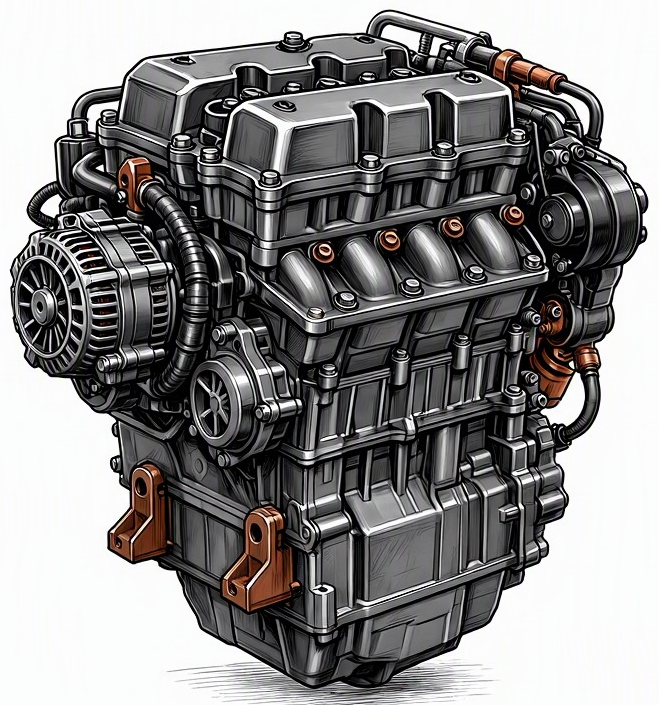
Problem Overview & Engine Systems
In-tank fuel lines degradation refers to the deterioration of internal fuel conduits, clamps, and connections situated within the vehicle’s fuel tank, typically connecting the fuel pump module to the fuel sender unit, filter, or the main fuel supply line output. This malfunction primarily affects the Fuel Delivery System, specifically the Low-Pressure Fuel Circuit. The integrity of these components is critical for maintaining consistent fuel pressure and flow to the engine’s high-pressure system (in direct injection engines) or fuel rail (in port fuel injection engines). When these lines degrade, they can crack, swell, become porous, or even detach, leading to internal fuel leaks within the tank itself, reduced fuel pressure, and potential contamination of the fuel supply. Components directly affected include the fuel pump module’s internal hoses, hose clamps, quick-connect fittings, and the integrity of the fuel pump’s outlet port.
Common Symptoms
- Primary Signs: A strong fuel odor emanating from the rear of the vehicle or inside the cabin (especially when the tank is full or during warm weather). The Check Engine Light (CEL) may illuminate, often accompanied by diagnostic trouble codes (DTCs) related to lean fuel conditions (e.g., P0171, P0174 System Too Lean), fuel pressure regulation (e.g., P0087 Fuel Rail/System Pressure – Too Low), or misfires.
- Engine Behavior Changes: Difficulty starting or extended cranking times, particularly after the vehicle has sat for a while (fuel system loses prime). Noticeable loss of engine power, especially during acceleration or under load. Rough idling, hesitation, or surging. Intermittent misfires, stalling at low speeds or when coming to a stop. In severe cases, complete failure to start due to insufficient fuel delivery pressure.
Root Causes & Failure Mechanisms
- Material Incompatibility and Chemical Degradation: The most prevalent cause is the prolonged exposure of older or incompatible fuel line materials (typically rubber or certain plastics) to modern ethanol-blended fuels (e.g., E10, E15, E85). Ethanol is a strong solvent that can chemically attack and degrade non-ethanol-compatible materials, leading to softening, swelling, cracking, and eventual porosity.
- Aging and Thermal Cycling: Over extended periods of service, even materials designed for fuel compatibility can degrade due to natural aging processes, constant immersion in fuel, and repeated thermal cycling within the fuel tank, which can cause material fatigue and micro-cracking.
- Mechanical Stress and Vibration: Constant vehicle vibration, coupled with the pulsating pressure from the fuel pump, can lead to mechanical fatigue and abrasion of fuel lines, especially at connection points or where lines rub against other components. This can compromise the structural integrity of the hose material or loosen clamps.
- Poor Manufacturing or Installation Quality: Infrequent, but possible, are manufacturing defects in the fuel line material or inadequate clamping force applied during assembly, which can lead to premature failure. Improper replacement during a previous fuel pump service can also introduce issues.
- Fuel Contamination: Excessive water accumulation or particulate contamination in the fuel tank can accelerate material degradation or cause internal abrasion, weakening fuel lines over time.
How to Diagnose and Troubleshoot
Diagnosis begins with validating the observed symptoms and retrieving any stored Diagnostic Trouble Codes (DTCs).
- OBD2 Scan and Freeze Frame Data Analysis: Connect an OBD2 scanner. Look for fuel trim DTCs (P0171/P0174), fuel pressure regulation codes (P0087), or misfire codes (P03xx). Analyze freeze frame data to understand engine conditions when the fault occurred. Monitor live data for fuel pressure readings, fuel trim percentages, and oxygen sensor activity. Persistently positive fuel trims (e.g., +15% or higher) indicate the Engine Control Unit (ECU) is adding fuel due to a lean condition.
- Fuel Pressure Testing: This is a critical step. Connect a mechanical fuel pressure gauge to the fuel rail’s Schrader valve or inline into the fuel supply line.
- Key On, Engine Off (KOEO): Observe initial pressure. It should immediately reach specification and hold without significant drop. A rapid pressure drop indicates a leak or faulty check valve (often part of the pump or regulator).
- Engine Idling: Compare readings to manufacturer specifications. Low or fluctuating pressure is highly indicative.
- Engine Under Load: Perform a road test while monitoring fuel pressure. Pressure should remain stable or increase slightly under acceleration. A significant drop under load strongly suggests insufficient fuel delivery.
- Fuel Pressure Leak Down Test: After shutting off the engine, monitor how quickly the fuel pressure drops. Excessive or rapid pressure decay points to a leak within the system, potentially an internal tank leak if external lines are verified intact.
- Visual Inspection (Internal Tank): This is the definitive diagnostic step for in-tank lines. Safely de-pressurize the fuel system and remove the fuel pump access cover, usually located under the rear seat or in the trunk floor. With specialized tools (fuel tank removal/opening tools) and safety precautions (ventilation, no ignition sources), remove the fuel pump module from the tank. Visually inspect all internal fuel hoses, clamps, and connections for signs of degradation:
- Cracking: Small fissures or large cracks in the hose material.
- Swelling: Hoses appearing distended or softer than normal.
- Disconnection: Hoses completely detached from the pump or filter.
- Weeping/Saturating: Signs of fuel seeping through the hose material or at connections.
- Debris: Presence of degraded rubber particles or flakes within the fuel tank, often settling at the bottom.
- Fuel Pump Current Draw Test: While less direct for leaks, an excessive current draw by the fuel pump could indicate it’s working harder to maintain pressure against an internal leak or restriction.
Recommended Repairs and Solutions
The primary solution for in-tank fuel line degradation is the replacement of the affected components. Due to the critical nature of these lines and the often integrated design of the fuel pump module, repairs are rarely performed on individual hoses; instead, the entire fuel pump module is often replaced.
- Component Replacement: The most common repair involves replacing the complete fuel pump module assembly. This unit typically includes the fuel pump, fuel filter (if in-tank), fuel level sender, and all internal fuel lines and connections. This ensures that all potentially degraded internal components are renewed simultaneously. In some cases, if the specific degraded line is serviceable and compatible, high-quality, ethanol-resistant (SAE J30R10 rated) fuel submersible hose and stainless steel fuel injection clamps can be used for repair, but this requires careful assessment and expertise to ensure long-term reliability.
- Repair Scale: This issue falls under component replacement. It does not typically require engine overhaul, cylinder head resurfacing, or other major engine work, but it directly impacts the engine’s ability to run.
- Safety Risk Factors: Driving with degraded in-tank fuel lines poses significant safety risks. A severe internal leak can lead to chronic low fuel pressure, causing the engine to stall unexpectedly, potentially in dangerous traffic situations. More critically, degraded lines can rupture completely, leading to large volumes of raw fuel being pumped into the fuel tank area without reaching the engine. While the fuel is contained within the tank, the potential for vapor buildup or external leakage if the tank itself is compromised, introduces a serious fire hazard. Immediate repair upon diagnosis is crucial.
Maintenance Recommendations
Preventing in-tank fuel line degradation primarily involves proactive measures related to fuel quality and component compatibility:
- Use Recommended Fuel: Always adhere to the manufacturer’s recommended fuel type and octane rating. Avoid using fuels with higher ethanol concentrations than approved by the vehicle manufacturer, especially in older vehicles not designed for such blends. If E85 or similar fuels are used, ensure the vehicle is explicitly rated as Flex-Fuel and its fuel system components are designed for high ethanol content.
- Quality Replacement Components: If a fuel pump or any in-tank fuel system component requires replacement, ensure that all new parts, especially hoses and fittings, are specifically rated for immersion in modern ethanol-blended fuels (e.g., SAE J30R10 or equivalent specification). Inferior quality or non-submersible hoses will fail prematurely.
- Fuel System Cleaning (Limited Impact): While periodic fuel system cleaners can help maintain injector cleanliness, they do not prevent or reverse material degradation of fuel lines. Avoid “miracle” additives claiming to restore old rubber components.
- Preventive Inspection During Service: Although in-tank fuel lines are not a scheduled maintenance item, if the fuel tank is accessed for any other service (e.g., fuel pump replacement, fuel level sender unit repair), it is highly recommended to perform a thorough visual inspection of all internal fuel lines, clamps, and connections. Proactive replacement of suspicious-looking hoses during such an opportunity can prevent future issues.
- Address Symptoms Promptly: Do not ignore symptoms like a fuel odor, hard starting, or Check Engine Lights related to fuel system lean conditions. Early diagnosis and repair can prevent worsening degradation, potential safety hazards, and secondary damage to other engine components due to prolonged lean running.
