
Since 2015, the Swedish company’s factories have assembled the 2.0-liter Volvo B4204T23 engine, which is found in the S60 and S90 sedans, V90 and V90 Cross Country station wagons, and XC60 and XC90 crossovers. This power unit has a single turbocharger because it is part of the base T5 series.
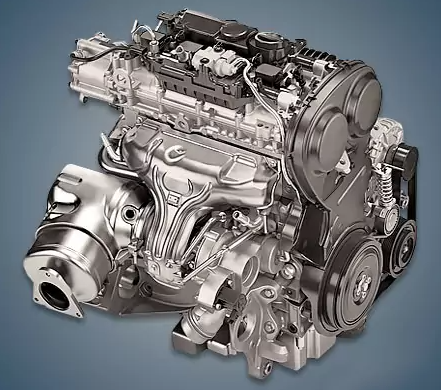
The B3154T, B4204T9, and B4204T35 engines are also part of the Drive-E family.
The engine was mounted on:
- Volvo S60 III (224) since 2018;
- Volvo S90 II (234) since 2016;
- Volvo V90 2 since 2016;
- Volvo V90 CC I (236) since 2016;
- Volvo XC60 II (246) since 2017;
- Volvo XC90 II (256) since 2015.
Specifications
| Production years | since 2015 |
| Displacement, cc | 1969 |
| Fuel system | direct injection |
| Power output, hp | 249 |
| Torque output, Nm | 350 |
| Cylinder block | aluminum R4 |
| Block head | aluminum 16v |
| Cylinder bore, mm | 82 |
| Piston stroke, mm | 93.2 |
| Compression ratio | 10.8 |
| Features | DOHC |
| Hydraulic lifters | yes |
| Timing drive | belt |
| Phase regulator | at intake and exhaust |
| Turbocharging | single turbocharger |
| Recommended engine oil | 0W-20 |
| Engine oil capacity, liter | 5.9 |
| Fuel type | petrol |
| Euro standards | EURO 5/6 |
| Fuel consumption, L/100 km (for Volvo XC90 2016) — city — highway — combined |
10.1 7.0 8.1 |
| Engine lifespan, km | ~280 000 |
Disadvantages of the B4204T23 engine
Owners of cars with such motors typically complain about lubricant consumption; rubber pipes in the engine also wear out and burst quickly for unknown reasons;
Every 60,000 kilometers, fuel injectors must be flushed to prevent total clogging;
The timing belt should be replaced every 120,000 kilometers because if it breaks, the valves will bend;
Both the seals and the area beneath the valve cover frequently experience oil leaks.