
With a displacement of 1.9 liters (1895 cc), the BMW M43B19 engine, also referred to as the M43TU, is the biggest in the lineup. The use of the exclusive BMW BMS 46 fuel injection system is one of these power units’ unique features. There are two variations, each with a distinct power level.
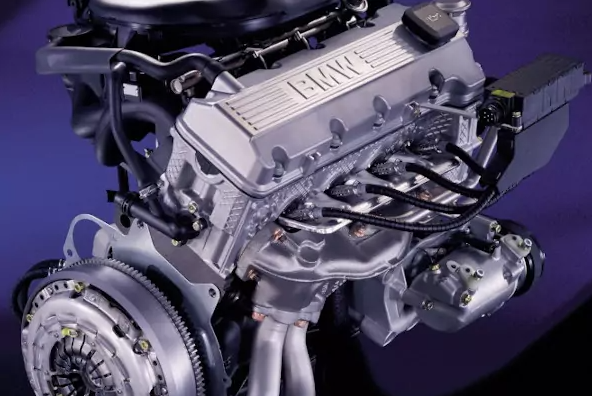
M43TUB19 OL: a basic version of the engine with 118 horsepower at 5500 rpm and 180 Nm of torque at 3900 rpm;
M43TUB19 UL: a weak version with a different camshaft that produces 105 horsepower at 5300 rpm and 165 Nm of torque at 2500 rpm.
Specifications
| Production years | 1998-2002 Steyr Plant |
| Displacement, cc | 1895 |
| Fuel system | injector |
| Power output, hp | 105 /5300 rpm 118 /5500 rpm |
| Torque output, Nm | 165 /2500 rpm 180 /3900 rpm |
| Cylinder block | cast iron R4 |
| Block head | aluminum 8v |
| Cylinder bore, mm | 85 |
| Piston stroke, mm | 83.5 |
| Compression ratio | 9.7 |
| Features | DISA |
| Hydraulic lifters | yes |
| Timing drive | chain |
| Phase regulator | no |
| Turbocharging | no |
| Recommended engine oil | 5W-30 |
| Engine oil capacity, liter | 4.0 |
| Fuel type | petrol |
| Euro standards | EURO 2/3 |
| Fuel consumption, L/100 km (for 318i E46) — city — highway — combined |
11.0 6.0 8.0 |
| Engine lifespan, km | ~350 000 |
| Weight, kg | 138 |
Disadvantages of the M43B19 engine
The BMW M43B19 engine’s primary issues include oil leaks, knocking and crackling, unstable rpm, and dips during acceleration.
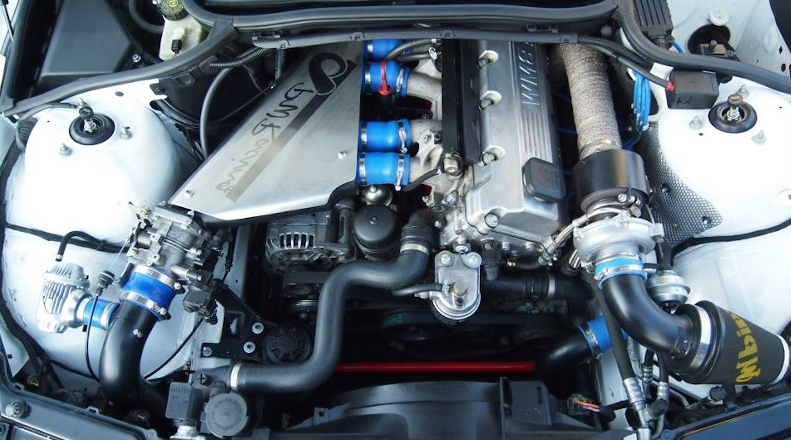
It is worthwhile to examine the integrity of the DISA damper and, if required, use a repair kit to restore the intake system if there is audible noise, knocking, or crackling in the engine. Knocking can occasionally be caused by hydraulic lifters or rocker arms.
The valve cover is the source of oil leaks. A new gasket and crankcase ventilation valve must be installed in order to stop the breakdown.
Injectors that need to be cleaned are typically the cause of dips when increasing speed.
The mass air flow sensor’s air duct breaks due to instability of revolutions; air leaks are not excluded. Verify that the lambda probe, throttle valve, mass air flow sensor, and idle valve are all in working order. Floating rpm can also result from camshaft turning difficulties.
Check for air pockets in the pump, radiator, thermostat, and cooling system if you experience overheating. Examine the spark plugs, gas pump, ignition coil, and high-voltage wires if the engine won’t start.