
The M43B18 engine, which replaced the M40B18 in 1992, is an in-line 4-cylinder engine of the M43 family (which also included the M43B16 and M43B19). The M43 cylinder block was essentially carried over from the M40, the stroke stayed the same, and the crankshaft now has four counterweights instead of the eight on the M40.
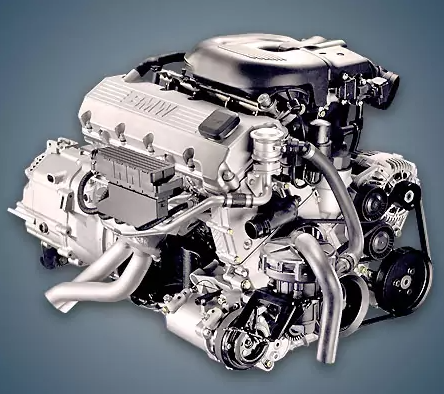
Along with the crankshaft, the pistons have also been modified, and the compression ratio has risen to 9.7. Under the timing chain drive, the cylinder head underwent a substantial change (there was a belt). Rockers were replaced, valves were lightened, and one camshaft (SOHC 8V).
The inlet and outlet valve diameters are still 42 mm and 36 mm, respectively. The standard camshaft M43B18 has the following characteristics: rise 10.6/10 mm, phase 244/244. Additionally, a variable-length DISA intake manifold has been used, enabling increased torque at both low and high revs. Additionally, the ignition system has been modified.
The engine was installed on:
- BMW E36 318i in 1992 – 1998;
- BMW E34 518i in 1994 – 1996;
- BMW E36 Z3 in 1995 – 2001.
Specifications
| Production years | 1992-2001 Steyr Plant |
| Displacement, cc | 1796 |
| Fuel system | injector |
| Power output, hp | 115 /5500 rpm |
| Torque output, Nm | 168 /3900 rpm |
| Cylinder block | cast iron R4 |
| Block head | aluminum 8v |
| Cylinder bore, mm | 84 |
| Piston stroke, mm | 81 |
| Compression ratio | 9.7 |
| Features | DISA |
| Hydraulic lifters | yes |
| Timing drive | chain |
| Phase regulator | no |
| Turbocharging | no |
| Recommended engine oil | 5W-30 |
| Engine oil capacity, liter | 4.0 |
| Fuel type | petrol |
| Euro standards | EURO 2/3 |
| Fuel consumption, L/100 km (for 318i E36) — city — highway — combined |
11.0 6.2 7.9 |
| Engine lifespan, km | ~320 000 |
| Weight, kg | 133 |
Disadvantages of the M43B18 engine
The M43B18 engine’s issues include intermittent motor operation, oil leaks, noise, and dips during acceleration.
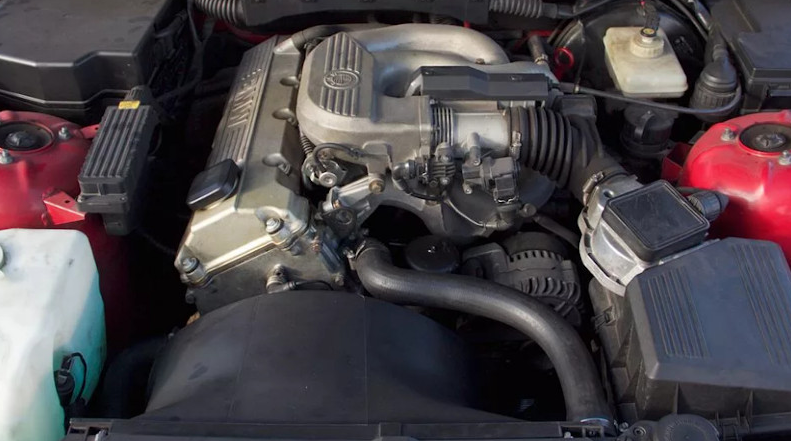
Checking the integrity of the DISA damper is essential if you observe persistent noise, knocking, and crackling in the power unit. An appropriate repair kit is needed to get the intake operating again. Hydraulic lifters and rocker arms can occasionally produce a knock.
Check the valve cover if you notice a leak or rapid consumption of the oil. Replacing the crankcase ventilation valve or gasket with sealant is sufficient to stop the leak.
Unstable speed, which happens when the air duct is damaged, is one of the issues with the power unit’s operation. There may be air leaks, so you should also check the mass air flow sensor, idle valve, throttle valve, and lambda probe. Camshaft rotation issues could be the cause.
Cleaning the injectors is sufficient because dips during speed increases are caused by dirty injectors.
Overheating is caused by pump, radiator, and thermostat failures. Additionally, look for air pockets in the cooling system, which can be removed by blowing. Examine the spark plugs, gas pump, ignition coil, and wires if the engine won’t start.