
The M43B16 engine, a 1.6-liter BMW engine of the M43 family (which also included the M43B18 and M43B19) that took the place of the M40B16, was developed based on the 1.8-liter M43B18, which introduced a crankshaft with a reduced piston stroke to 72 mm (was 81 mm).
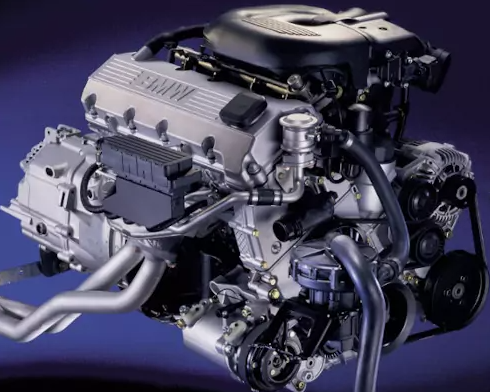
The new power unit had a lighter crankshaft, additional pistons with a compression ratio of 9.7, and 145 mm connecting rods in comparison to its predecessor.
Despite having a single camshaft in the previous design, the cylinder head has undergone significant modifications. A dependable chain has replaced the timing belt drive, which needs to be replaced after about 300,000 kilometers. Additionally, new springs and lightweight valves were used, along with rockers with a different design and hydraulic compensators for valve clearance. The intake and exhaust valves have diameters of 42 mm and 36 mm, respectively. M43B16 camshaft characteristics: rise 10.6/10 mm, phase 244/244.
The ignition system has been modified to use a DISA variable-length intake manifold to maximize engine performance.
Specifications
| Production years | 1993-2002 Steyr Plant |
| Displacement, cc | 1596 |
| Fuel system | injector |
| Power output, hp | 102 /5500 rpm |
| Torque output, Nm | 150 /3900 rpm |
| Cylinder block | cast iron R4 |
| Block head | aluminum 8v |
| Cylinder bore, mm | 84 |
| Piston stroke, mm | 72 |
| Compression ratio | 9.7 |
| Features | DISA |
| Hydraulic lifters | yes |
| Timing drive | chain |
| Phase regulator | no |
| Turbocharging | no |
| Recommended engine oil | 5W-30 |
| Engine oil capacity, liter | 4.0 |
| Fuel type | petrol |
| Euro standards | EURO 2/3 |
| Fuel consumption, L/100 km (for 316i E36) — city — highway — combined |
11.0 5.9 7.7 |
| Engine lifespan, km | ~300 000 |
Disadvantages of the M43B16 engine
They list the following issues with the M43B16 engine’s operation: noise, engine knocking, excessive oil consumption, erratic rpm, and overheating.
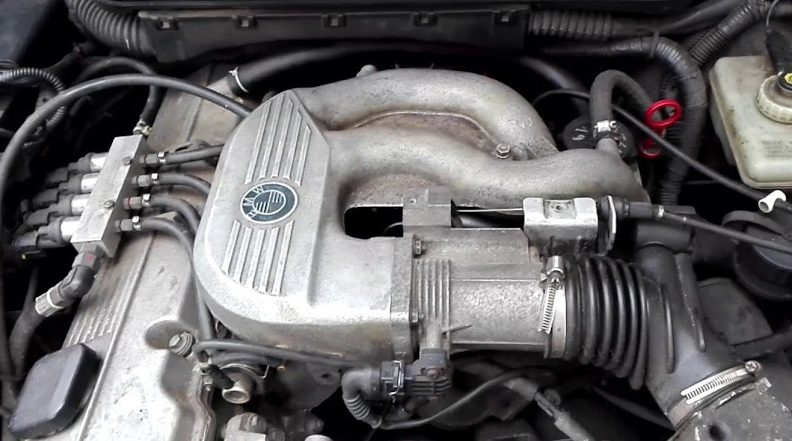
Check the valve cover and replace the sealed gasket and crankcase ventilation valve if there is an oil leak.
You should inspect the DISA damper if you hear noise, crackling, or knocking coming from the motor. They use a repair kit to get functionality back. Hydraulic lifters can knock occasionally. The camshaft and rocker arms of the engine may produce noise.
Additionally, the power unit exhibits overheating, jolts during acceleration, and unstable rpm. When the mass air flow sensor malfunctions, turnovers float and air leaks may occur. Additionally, you must check the throttle valve, idle valve, and lambda probe. Sometimes a problem arises when the camshaft is difficult to turn.
Cleaning the injectors is sufficient to prevent shocks or dips during acceleration.
Examine the pump, radiator, and thermostat to determine the reason behind engine overheating. Sometimes the cooling system needs to be blown down in order to eliminate air pockets. Additionally, you ought to inspect the cooling system’s pipes.
They check the ignition coil, spark plugs, high-voltage wires, and gas pump when the engine won’t start.