What Does Code P0126 Mean?
DTC P0126, or “Insufficient Coolant Temperature for Stable Operation,” indicates that the Engine Control Module (ECM) or Powertrain Control Module (PCM) has detected that the engine coolant temperature has not reached the necessary operating temperature within a specified period of time or remains below the optimal threshold during operation. The ECM monitors the Engine Coolant Temperature (ECT) sensor’s input to determine engine temperature. For optimal fuel efficiency, emissions control, and engine performance, the engine needs to reach a specific operating temperature (typically between 190-210°F or 88-99°C) to enter closed-loop fuel control. When P0126 is set, it signifies that the coolant system is failing to adequately warm the engine, or the ECM is receiving inaccurate temperature data, preventing the engine from achieving and maintaining stable thermal conditions required for efficient operation. This can lead to the ECM commanding richer fuel mixtures and extended open-loop operation, impacting the engine’s fuel delivery and emissions subsystem.
Common Symptoms
- Illuminated Check Engine Light (CEL): The most direct indicator.
- Decreased Fuel Economy: Due to the ECM operating in an extended open-loop mode or enriching the fuel mixture.
- Engine Heater Malfunction: Reduced or absent cabin heat, as the coolant itself is not reaching sufficient temperature.
- Prolonged Engine Warm-up Time: The engine takes an unusually long time to reach normal operating temperature.
- Poor Engine Performance: Possible sluggish acceleration or hesitation, as the ECM might adjust ignition timing and fuel delivery conservatively.
- Failed Emissions Test: Higher than normal hydrocarbon (HC) or carbon monoxide (CO) readings due to inefficient combustion.
What Causes the Code P0126?
- Faulty Thermostat: The most common cause. A thermostat that is stuck open or opens too early will prevent the engine from building and retaining heat efficiently.
- Low Engine Coolant Level: Insufficient coolant in the system can prevent proper heat transfer and cause inaccurate temperature readings from the ECT sensor.
- Faulty Engine Coolant Temperature (ECT) Sensor: The sensor itself may be defective, providing consistently low or erroneous temperature readings to the ECM, even if the actual engine temperature is normal.
- Wiring or Connector Issues: An open circuit, short circuit, or corroded/loose connection in the ECT sensor’s wiring harness can disrupt the signal to the ECM.
- Constantly Running Radiator Fan: Less common, but a radiator cooling fan that is stuck in the ‘on’ position can overcool the engine, particularly in colder ambient temperatures.
- ECM/PCM Malfunction: Rare, but a defective ECM/PCM could misinterpret ECT sensor data or fail to correctly manage engine temperature parameters.
How to Diagnose and Troubleshoot
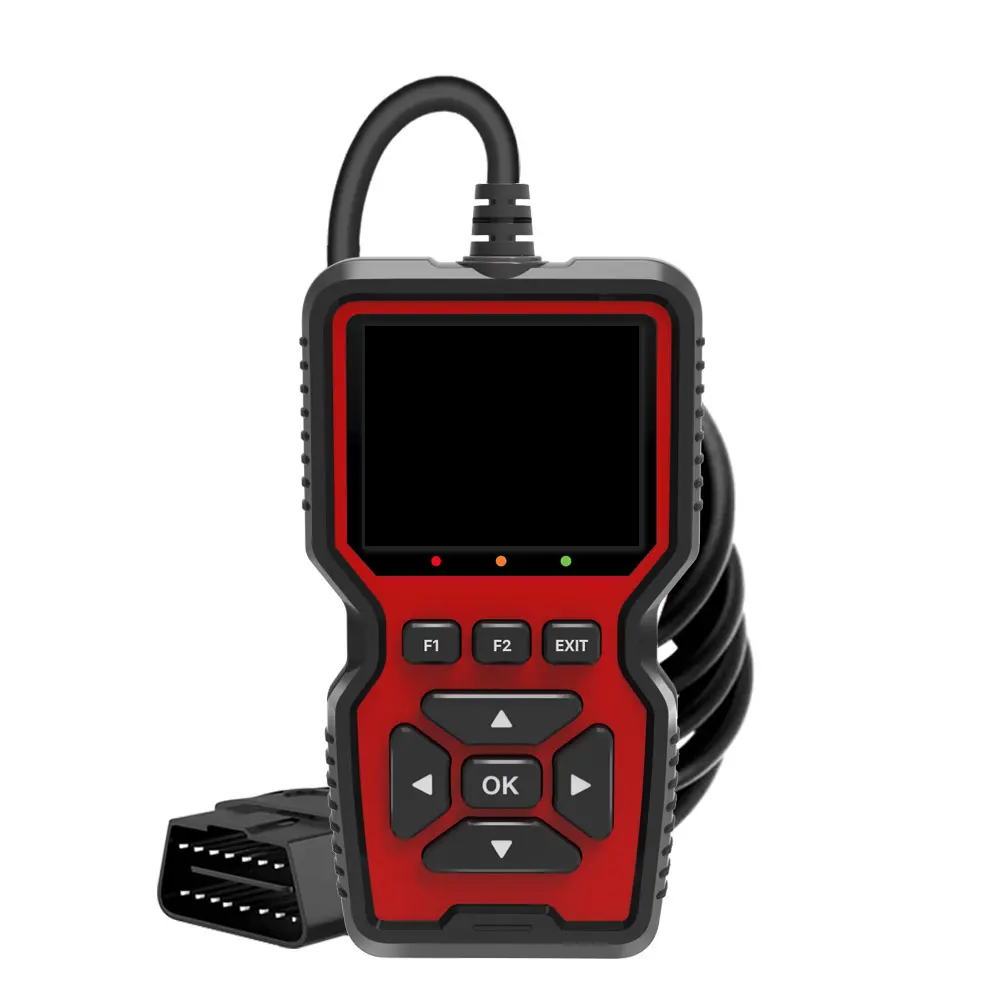
Diagnosis of P0126 requires a systematic approach, often involving an OBD-II scanner, a digital multimeter (DMM), and visual inspections.
- Verify DTC and Gather Freeze Frame Data: Connect an OBD-II scanner to confirm P0126 is present. Review freeze frame data to understand the engine conditions (engine speed, load, temperature) when the code was set. Clear the code and perform a test drive to see if it immediately returns.
- Visual Inspection:
- Check the coolant level in both the radiator and the overflow reservoir. Top off if low, and inspect for external leaks at hoses, radiator, water pump, and thermostat housing.
- Inspect the ECT sensor’s wiring harness and connector for any signs of damage, fraying, corrosion, or loose connections.
- Verify the radiator fan operation. Ensure it is not running constantly when the engine is cold or has just started.
- OBD-II Scanner Live Data Analysis:
- Monitor the live data stream for the ECT sensor reading. With the engine cold and off, compare the ECT reading to the Intake Air Temperature (IAT) sensor reading; they should be very similar (ambient temperature). Significant discrepancies suggest an ECT sensor issue.
- Start the engine from cold and monitor the ECT reading. Observe how quickly and steadily the temperature rises. A healthy system should reach normal operating temperature (e.g., 190-210°F) within 5-15 minutes, depending on ambient conditions and engine design. If it rises slowly, fails to reach target, or fluctuates erratically, suspect the thermostat or sensor.
- Note if the ECM enters closed-loop operation as expected once the coolant temperature reaches the threshold.
- ECT Sensor Circuit Test (with DMM):
- Disconnect the ECT sensor. With the ignition ON and engine OFF, measure the voltage at the sensor connector. One wire should show approximately 5V reference, and the other should be a chassis ground. If either is missing, trace the circuit for an open or short.
- Measure the resistance across the ECT sensor terminals with the sensor removed from the engine or disconnected. Compare the reading to the manufacturer’s resistance-to-temperature chart. As the sensor is exposed to increasing temperatures (e.g., carefully placed in hot water), its resistance should decrease predictably. Inconsistent or out-of-spec readings indicate a faulty sensor.
- Backprobe the signal wire of the ECT sensor with the sensor connected and engine running. Observe the voltage change as the engine warms up; the voltage should steadily decrease as temperature increases.
- Thermostat Function Test:
- With the engine cold, start it and allow it to idle. Feel the upper radiator hose. It should remain cold until the engine coolant reaches the thermostat’s opening temperature. If the hose warms up almost immediately with the engine, the thermostat is likely stuck open.
- Alternatively, for a definitive test, the thermostat can be removed and submerged in a pot of water on a stove with a thermometer. Heat the water and observe the temperature at which the thermostat begins to open, comparing it to its specified opening temperature.
Recommended Repairs and Solutions
Addressing P0126 typically involves replacing the faulty component identified during diagnostics.
- Replace the Thermostat: This is the most common resolution. Always use an OEM-equivalent thermostat designed for the correct operating temperature of your specific vehicle. Ensure to replace the thermostat gasket and bleed the cooling system thoroughly after replacement to prevent air pockets.
- Refill and Bleed Coolant System: If low coolant was the primary cause, refill the system with the manufacturer-specified type and concentration of coolant. Use a vacuum filler tool if available, or follow the vehicle’s specific bleeding procedure to eliminate all trapped air.
- Replace the ECT Sensor: If diagnostic tests confirm the ECT sensor is faulty or providing inaccurate readings, replace it. Ensure to use a quality replacement part, as cheap aftermarket sensors can sometimes provide inconsistent data.
- Repair Wiring or Connectors: If any damage, corrosion, or open circuits are found in the ECT sensor’s wiring or connector, repair them. Use appropriate wiring repair kits and ensure robust connections.
- Address Radiator Fan Issues: If the radiator fan is stuck on, diagnose the fan control module, relay, or wiring responsible for its constant operation and repair or replace the faulty component.
After any cooling system repair, clear the DTC P0126, perform a drive cycle, and monitor live data to ensure the engine coolant temperature reaches and maintains its normal operating range. Verify that the ECM enters closed-loop operation and that the engine heater functions correctly.