What Does Code P0209 Mean?
DTC P0209 signifies an Injector Circuit Malfunction – Cylinder 9. This code indicates that the Powertrain Control Module (PCM), also known as the Engine Control Module (ECM), has detected an electrical fault within the control circuit of the fuel injector for cylinder number 9. The PCM continuously monitors the electrical characteristics of each fuel injector circuit. When an injector is commanded ‘on,’ the PCM expects to see a specific voltage drop and current flow across the circuit. If the PCM detects a deviation from this expected electrical signature – such as an open circuit (infinite resistance), a short to ground (zero resistance), a short to voltage, or excessive resistance – it interprets this as a malfunction and sets the P0209 code. This fault specifically targets the electrical pathway that the PCM uses to activate and deactivate the fuel injector for cylinder 9, affecting the precision and timing of fuel delivery to that cylinder.
Common Symptoms
- Check Engine Light (CEL) Illumination: The primary indicator, often accompanied by a flashing CEL if an active misfire is detected.
- Engine Misfire: The most prevalent symptom, specifically affecting cylinder 9, leading to rough engine operation.
- Rough Idling: The engine may idle erratically or stumble due to the intermittent or complete lack of fuel delivery to one cylinder.
- Reduced Engine Performance: Noticeable loss of power, hesitation, or poor acceleration, especially under load.
- Increased Fuel Consumption: If the injector is malfunctioning by not delivering fuel efficiently, the PCM may attempt to compensate, leading to richer overall mixture or simply inefficient combustion.
- Engine Hesitation or Stumble: Particularly noticeable during acceleration or when transitioning from idle to load.
- Other Misfire Codes: P0309 (Cylinder 9 Misfire Detected) may often accompany or be triggered by P0209.
What Causes the Code P0209?
- Faulty Fuel Injector (Cylinder 9): The most common cause, due to an internal coil failure resulting in an open circuit, short circuit, or high resistance within the injector itself.
- Wiring Harness Issues: An open circuit, short to ground, short to voltage, or excessive resistance in the wiring between the PCM and the cylinder 9 fuel injector. This can be caused by chafing, rodent damage, heat damage, or corrosion.
- Damaged Injector Connector: Loose, corroded, bent, or spread pins within the electrical connector for the cylinder 9 fuel injector, leading to an intermittent or complete loss of electrical continuity.
- Faulty Powertrain Control Module (PCM/ECM): Although less common, a defective injector driver circuit within the PCM for cylinder 9 can cause this code. This signifies an internal electronic component failure within the PCM.
- Poor Ground Connection: While the PCM typically switches the ground side for injector activation, a compromised ground path to the PCM or an internal PCM ground issue can affect circuit integrity.
How to Diagnose and Troubleshoot
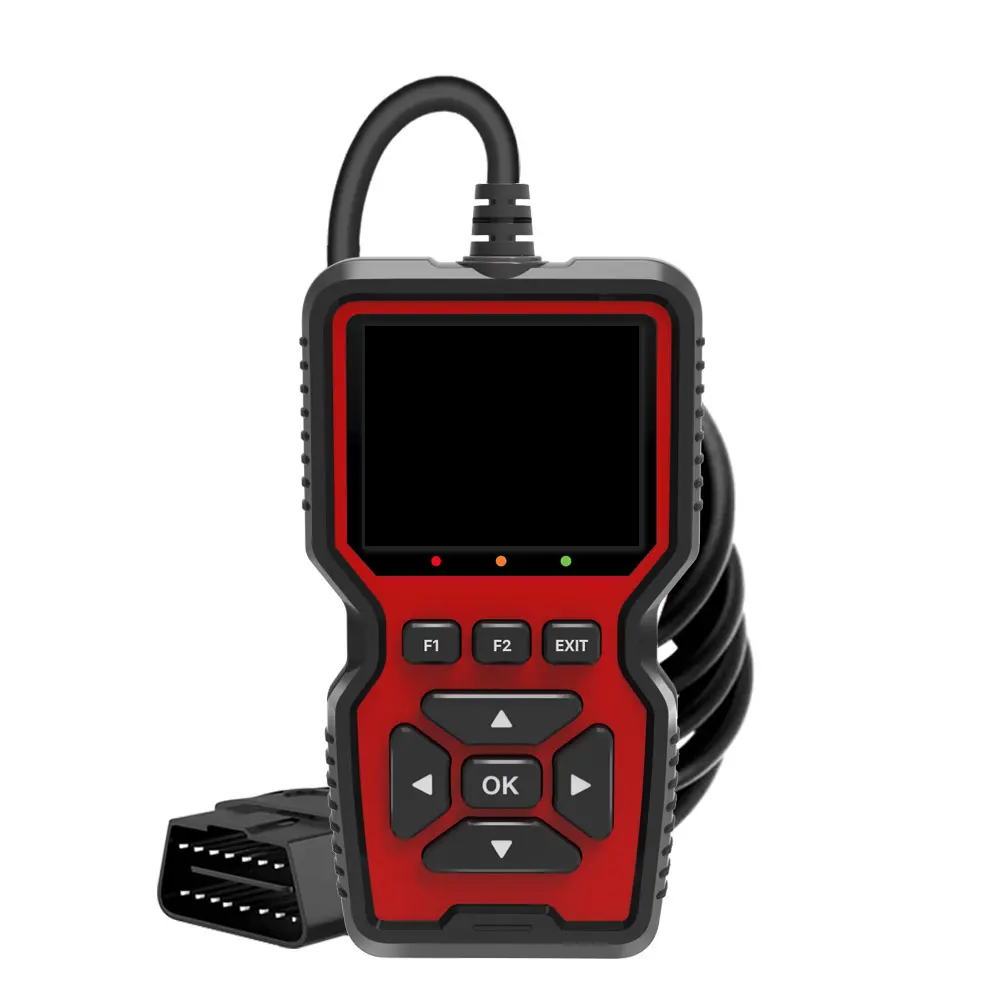
Diagnosing P0209 requires a systematic approach using a Digital Multimeter (DMM), an OBD-II scanner with live data capabilities, and careful visual inspection.
- Perform a Thorough Visual Inspection:
- Inspect the wiring harness leading to the cylinder 9 fuel injector for any signs of damage, chafing, bare wires, or heat damage.
- Check the injector connector for cylinder 9 for looseness, corrosion, bent pins, or signs of moisture intrusion. Ensure it is securely latched.
- Visually inspect the fuel injector itself for any physical damage or fuel leaks.
- Scan for Additional DTCs and Analyze Freeze Frame Data:
- Connect an OBD-II scanner and retrieve all stored and pending codes. Note any other misfire codes (e.g., P0309) or fuel system codes.
- Review freeze frame data, which captures engine parameters at the moment the DTC was set. This can provide clues about engine load, RPM, and temperature.
- Test Fuel Injector Coil Resistance:
- With the engine off and the key removed, disconnect the electrical connector from the cylinder 9 fuel injector.
- Using a DMM set to ohms, measure the resistance across the two terminals of the fuel injector itself.
- Compare the reading to manufacturer specifications (typically 10-16 ohms for high-impedance injectors). An open circuit (OL or infinity) or a short circuit (close to 0 ohms) indicates an internal injector fault. For low-impedance injectors (less common in modern vehicles), resistance would be lower.
- If possible, compare the resistance to a known good injector on another cylinder.
- Check Power Supply to Injector:
- Reconnect the injector connector. Turn the ignition to the ‘ON’ position (KOEO – Key On Engine Off).
- Using a DMM, back-probe the power supply wire at the injector connector. This wire should show battery voltage (typically 12V). If no voltage is present, check the fuse supplying power to the injectors and the wiring back to the fuse box.
- Verify Injector Control Circuit Integrity (PCM to Injector):
- Turn off the ignition. Disconnect the electrical connector at the cylinder 9 fuel injector and also locate and disconnect the appropriate PCM connector that contains the cylinder 9 injector control wire. Consult the vehicle’s wiring diagram for pin assignments.
- Using a DMM set to ohms, measure the resistance between the injector control pin at the PCM connector and the corresponding control pin at the cylinder 9 injector connector. Resistance should be very low (typically less than 1 ohm), indicating good continuity.
- While performing the continuity test, gently wiggle the wiring harness to detect any intermittent open circuits.
- Also, check for shorts: Measure resistance between the injector control wire and chassis ground (should be OL). Measure resistance between the injector control wire and battery positive (should be OL).
- Perform Noid Light Test:
- If the power supply and wiring integrity are confirmed, connect a Noid light to the cylinder 9 injector connector.
- Crank the engine. The Noid light should flash, indicating that the PCM is sending a ground pulse to activate the injector.
- If the Noid light does not flash, but power supply and wiring continuity are good, this points to a potential issue with the PCM’s injector driver circuit for cylinder 9.
Recommended Repairs and Solutions
Based on the diagnostic findings, the following repairs and solutions are recommended:
- Replace the Faulty Fuel Injector (Cylinder 9): If the resistance test of the injector coil indicates an open circuit, short circuit, or out-of-specification resistance, the injector itself is defective and requires replacement. Ensure to use the correct OEM or equivalent quality replacement part. Always replace injector O-rings to prevent fuel leaks.
- Repair or Replace Damaged Wiring Harness: If the diagnostic steps revealed an open, short, or high resistance in the wiring between the PCM and the injector, the damaged section of the harness must be professionally repaired or replaced. Use appropriate automotive-grade wire, connectors, and heat shrink tubing for durable repairs.
- Replace Damaged Injector Connector: If the electrical connector for cylinder 9’s injector is corroded, has bent pins, or is not making good contact, replace the connector. Connector pigtail kits are usually available for this purpose.
- PCM Replacement or Repair: If all other components (injector, wiring, connectors) test good, and the Noid light test indicates no ground pulse from the PCM, then the PCM’s internal injector driver circuit for cylinder 9 is likely faulty. PCM replacement or repair should only be considered as a last resort due to cost and the need for programming/reflashing the new module to the vehicle.
Mechanic’s Tips:
- Always clear the DTCs after any repair and perform an extended test drive to confirm the fix and ensure the code does not return.
- When replacing a fuel injector, ensure proper torque specifications for mounting bolts and check for any fuel leaks post-installation.
- Consider checking for any Technical Service Bulletins (TSBs) related to P0209 or fuel injector issues for the specific make, model, and year of the vehicle, as manufacturers sometimes issue known repair procedures.
- Using dielectric grease on electrical connectors can help prevent future corrosion issues.
- If a noid light is not available, a test light can be used to check for the ground pulse from the PCM while cranking, though it provides less precise indication than a noid light.