What Does Code P0212 Mean?
DTC P0212 indicates an “Injector Circuit Malfunction – Cylinder 12.” This code signifies that the Engine Control Module (ECM), also commonly referred to as the Powertrain Control Module (PCM), has detected an electrical anomaly within the control circuit of the fuel injector for cylinder number 12. The ECM continuously monitors the electrical characteristics of each fuel injector circuit, including voltage drop, current draw, and resistance, during its activation pulse. When the ECM commands the cylinder 12 injector to open, it expects to see a specific electrical response within a predefined range. If the ECM detects an open circuit (infinite resistance), a short to ground (zero or very low resistance), a short to voltage (unexpected voltage present), or excessively high or low resistance within this circuit, which deviates from manufacturer specifications, it will register P0212. This fault directly impacts the precise delivery of fuel to cylinder 12, severely compromising combustion efficiency, engine performance, and potentially leading to increased emissions and catalytic converter damage if left unaddressed.
Common Symptoms
- Check Engine Light (CEL) Illumination: The primary and most direct symptom.
- Engine Misfire: Specifically on cylinder 12, leading to a rough running engine. This may be accompanied by a P030C code (Cylinder 12 Misfire Detected).
- Rough Idle: The engine will typically idle unevenly due to the lack of proper combustion in one cylinder.
- Reduced Engine Performance: Noticeable loss of power, hesitation, or stumbling under acceleration.
- Increased Fuel Consumption: The ECM may attempt to compensate by altering fuel trims for the entire bank, or unburnt fuel may be expelled.
- Fuel Odor from Exhaust: If the injector is stuck open or leaking, raw fuel may enter the exhaust stream. If it’s an open circuit, a lean misfire will occur.
- Difficulty Starting: In rare cases, if the misfire is severe enough or accompanied by other issues.
What Causes the Code P0212?
- Faulty Fuel Injector (Cylinder 12): The most common cause, including an internal open circuit in the injector’s solenoid coil, an internal short, or excessively high or low resistance within the injector itself.
- Wiring Harness Issues:
- Open Circuit: A break in the power supply wire or the control wire leading to the cylinder 12 injector.
- Short to Ground: The injector control wire or power wire shorting to the chassis or engine ground.
- Short to Voltage: The injector control wire or power wire shorting to another power source.
- Damaged or Corroded Connector: Poor connection at the cylinder 12 injector due to bent pins, corrosion, or a loose terminal.
- Chafed or Frayed Wiring: Damage to the insulation allowing intermittent or constant electrical faults.
- ECM/PCM Malfunction: A defective driver circuit within the ECM/PCM responsible for controlling the cylinder 12 fuel injector. This is less common but a possibility if all other components and wiring test good.
- Poor Ground Connection: While less likely to affect only one cylinder, a general poor engine or chassis ground could theoretically influence injector circuit integrity.
How to Diagnose and Troubleshoot
Diagnosing P0212 requires a systematic approach using a digital multimeter (DMM) and an OBD-II scan tool, potentially an oscilloscope for advanced analysis. Always begin with safety precautions, including disconnecting the battery before performing electrical work on sensitive circuits, and being aware of fuel system pressure.
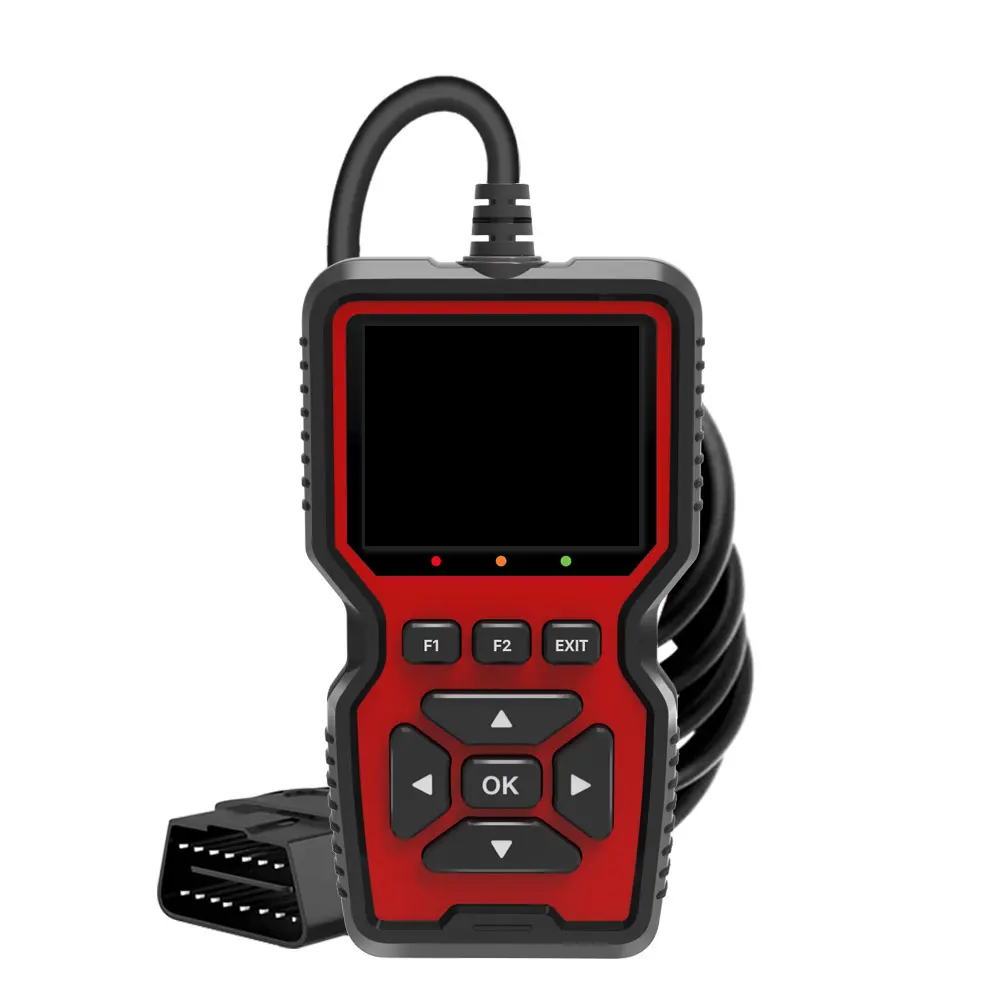
- Verify DTCs and Freeze Frame Data: Connect an OBD-II scan tool to confirm P0212 is present. Note any other accompanying codes (e.g., misfire codes, fuel trim codes). Review freeze frame data to understand the engine operating conditions when the code was set (engine speed, load, temperature, etc.).
- Visual Inspection:
- Carefully inspect the wiring harness for cylinder 12’s fuel injector. Look for any signs of physical damage, chafing, pinching, or melting that could indicate an open or short circuit.
- Examine the electrical connector at the cylinder 12 injector for bent, corroded, or pushed-out pins. Ensure the connector is securely seated.
- Inspect the main engine wiring harness and ECM connector for similar issues, especially wires leading to the injector driver circuit.
- Fuel Injector Electrical Resistance Test:
- Disconnect the electrical connector from the cylinder 12 fuel injector.
- Using a DMM set to ohms, measure the resistance across the two terminals of the fuel injector itself.
- Compare this reading to the manufacturer’s specifications (typically 10-16 ohms for high-impedance injectors, but consult vehicle-specific repair data).
- An ‘OL’ (open line) reading indicates an open circuit within the injector. A reading significantly outside the specified range (either too high or too low) indicates an internal fault.
- Injector Circuit Voltage Supply Test:
- Reconnect the injector’s electrical connector, or keep it disconnected if easier to access pins.
- With the ignition key ON (KOEO – Key On, Engine Off), use the DMM set to DC volts to measure voltage at the power supply wire terminal of the cylinder 12 injector harness connector. This wire typically receives battery voltage (approximately 12V) when the ignition is on.
- If no voltage is present, trace this wire back to its fuse and power source to identify an open circuit or blown fuse.
- Injector Control Circuit Test (Noid Light):
- With the ignition OFF, disconnect the electrical connector from the cylinder 12 fuel injector.
- Insert a Noid light into the injector harness connector terminals.
- Crank the engine (do not start if possible by disabling ignition/fuel pump). Observe the Noid light. It should flash steadily as the engine cranks.
- If the Noid light does not flash, it indicates that the ECM is not sending the ground pulse to activate the injector. This points to a wiring issue on the control side or a faulty ECM driver.
- Continuity and Short to Ground/Voltage Tests (ECM to Injector):
- If the Noid light did not flash, or resistance tests were inconclusive, disconnect the ECM connector and the cylinder 12 injector connector.
- Using the DMM set to ohms, test for continuity of the injector control wire from the injector harness connector back to the correct pin at the ECM connector. Resistance should be very low (close to 0 ohms). An ‘OL’ indicates an open circuit.
- While still disconnected, test for a short to ground: Place one DMM lead on the injector control wire terminal at the harness connector and the other lead on a known good chassis ground. Resistance should be ‘OL’. A low resistance reading indicates a short to ground.
- Test for a short to voltage: With all connectors disconnected, set the DMM to DC volts. Place one lead on the injector control wire terminal and the other to ground. No voltage should be present.
- Repeat continuity and short tests for the power supply wire from the injector harness connector to its power source (e.g., fuse box).
- ECM Driver Verification (Advanced): If all wiring and the injector itself test good, and the Noid light does not flash, an oscilloscope can be used to directly observe the pulse width and voltage characteristics of the ECM’s injector driver output at the ECM connector. This can confirm if the ECM’s internal driver for cylinder 12 is faulty.
Recommended Repairs and Solutions
Based on the diagnostic findings, the appropriate repair typically involves replacing the faulty component or repairing the compromised wiring:
- Replace Faulty Fuel Injector: If the resistance test of the injector coil reveals an open circuit, short, or out-of-spec resistance, the cylinder 12 fuel injector must be replaced. When replacing injectors, always use new O-rings and ensure proper seating to prevent fuel leaks.
- Repair or Replace Wiring Harness: If visual inspection, continuity, or short tests identify damaged wiring, corroded terminals, or a compromised connector, the affected section of the wiring harness should be repaired or replaced. This may involve soldering in new sections of wire, using appropriate heat shrink, or replacing the entire sub-harness if damage is extensive. Clean any corroded terminals with electrical contact cleaner and apply dielectric grease upon reassembly.
- Replace ECM/PCM: If all other components (injector, wiring, connectors) test definitively good, and advanced diagnostics confirm a non-functional ECM driver for cylinder 12, then the ECM/PCM replacement is necessary. Be aware that ECM replacement typically requires specialized programming to match the vehicle’s immobilizer and other systems.
Mechanics’ Tips:
- Always check for any relevant Technical Service Bulletins (TSBs) or recalls related to fuel injector circuit issues for the specific make and model of the vehicle.
- Before performing any work on the fuel system, ensure the fuel pressure is safely depressurized to prevent fuel spray and potential fire hazards.
- After completing repairs, clear all diagnostic trouble codes (DTCs) from the ECM using a scan tool.
- Perform a thorough test drive under various operating conditions to ensure the repair is successful and the P0212 code does not return. Monitor live data for fuel trims and misfire counts to confirm proper engine operation.
- When working on engines, especially high-end V12 configurations that often have such high cylinder counts, meticulous care is essential to avoid damaging adjacent components or creating new issues.
- Use only high-quality OEM or reputable aftermarket replacement parts to ensure longevity and proper function.