What Does Code P0243 Mean?
The OBD-II diagnostic trouble code P0243 signifies a “Turbocharger/Supercharger Wastegate Solenoid ‘A’ Malfunction.” This code is set when the Engine Control Module (ECM), also known as the Powertrain Control Module (PCM), detects an electrical circuit fault within the wastegate solenoid ‘A’ control circuit. The wastegate solenoid is a critical component in vehicles equipped with forced induction systems (turbochargers or superchargers) that regulates boost pressure. Its primary function is to control the wastegate actuator, which in turn bypasses exhaust gases around the turbine section of the turbocharger. By modulating the wastegate’s opening and closing, the solenoid ensures that the engine does not experience overboost conditions, which could lead to severe engine damage, or underboost, which results in reduced power output. The ECM continuously monitors the voltage and current flow through the solenoid’s electrical circuit. When the ECM detects that the voltage or resistance in this circuit falls outside of the manufacturer’s specified operational parameters – indicating an open circuit, a short to ground, or a short to voltage – it will illuminate the Check Engine Light (MIL) and store the P0243 code. This code specifically points to an electrical integrity issue with the solenoid or its wiring, rather than a mechanical failure of the wastegate itself, although a mechanical issue could indirectly manifest as an electrical anomaly if the ECM uses feedback.
Common Symptoms
- Reduced Engine Power or Limp Mode Activation: The ECM may limit engine power to prevent potential damage from uncontrolled boost.
- Check Engine Light (MIL) Illumination: This is the primary and most immediate symptom.
- Audible Turbocharger Noise: A stuck wastegate could lead to unusual whistling, whooshing, or fluttering sounds from the turbocharger.
- Poor Acceleration or Hesitation: Due to improper boost regulation, the engine may not respond as expected during acceleration.
- Decreased Fuel Economy: The engine may operate less efficiently as it struggles to maintain desired performance parameters.
- Engine Surging or Erratic Power Delivery: Inconsistent boost control can cause the engine to alternately gain and lose power.
What Causes the Code P0243?
- Faulty Turbocharger/Supercharger Wastegate Solenoid (A Circuit): The most common cause is an internal electrical failure within the solenoid itself, such as a burnt coil, an open circuit, or an internal short.
- Wiring Harness Issues: Damage to the wiring leading to the wastegate solenoid, including frayed, chafed, or broken wires. This can result in an open circuit, a short to ground, or a short to voltage.
- Corroded or Loose Electrical Connectors: Corrosion on the solenoid’s connector pins or a loose connection can disrupt the electrical circuit’s integrity.
- Blown Fuse or Faulty Relay: Although less common for this specific code, a blown fuse or a faulty relay supplying power to the wastegate solenoid could trigger a P0243 if the ECM monitors the power side of the circuit.
- ECM/PCM Failure: While rare, a faulty driver circuit within the ECM that controls the wastegate solenoid could be the cause. This should only be considered after all other possibilities have been thoroughly ruled out.
How to Diagnose and Troubleshoot
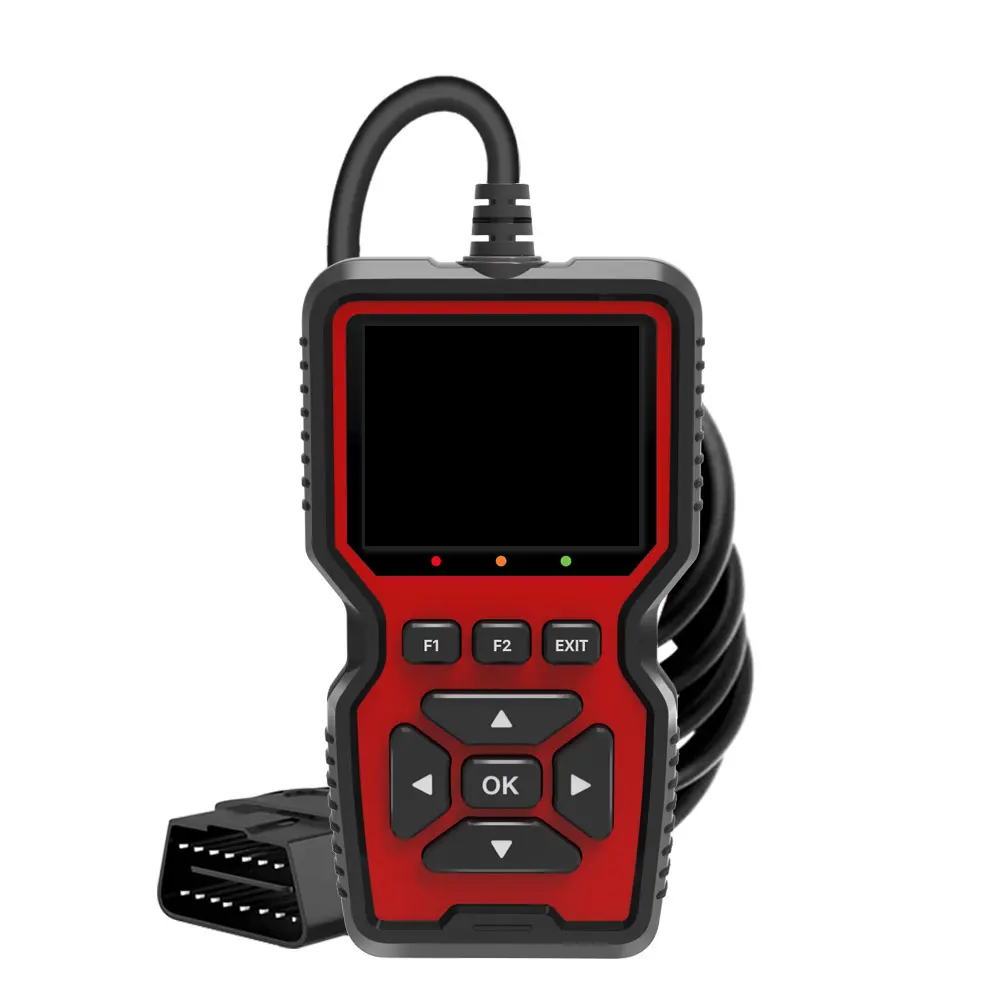
Diagnosing P0243 requires a systematic approach, often involving a digital multimeter (DMM) and an advanced OBD-II scan tool.
- Retrieve and Document Freeze Frame Data: Use an OBD-II scan tool to confirm P0243 and check for any related or pending codes. Pay close attention to freeze frame data, which records engine conditions at the moment the code was set.
- Visual Inspection:
- Locate the wastegate solenoid and its electrical connector. Inspect the connector for damage, corrosion, or looseness.
- Trace the wiring harness from the solenoid back towards the ECM, looking for any signs of chafing, cuts, pinches, or heat damage.
- If the wastegate is vacuum-actuated, inspect all associated vacuum lines for cracks, disconnections, or blockages.
- Solenoid Resistance Test:
- Disconnect the electrical connector from the wastegate solenoid.
- Using a DMM set to ohms, measure the resistance across the two terminals of the wastegate solenoid.
- Compare the reading to the manufacturer’s specifications (typically 15-40 ohms). An “OL” (open circuit) reading or a very low resistance (approaching 0 ohms, indicating a short) confirms an internal fault within the solenoid.
- Power Supply and Ground Circuit Check:
- With the ignition OFF, disconnect the solenoid’s electrical connector.
- With the ignition ON, use the DMM to check for battery voltage (B+) at the power supply pin of the connector. If no voltage is present, troubleshoot the fuse, relay, or wiring supplying power to the solenoid.
- Check the ground side of the circuit. Depending on the system, the ECM may provide a switched ground or the solenoid may be continuously grounded. Use the DMM to verify continuity to a known good chassis ground for the ground wire.
- Control Circuit Integrity Test:
- With the ignition OFF and the solenoid disconnected, disconnect the ECM connector as well (consult service manual for pinouts).
- Use the DMM to check for continuity between the solenoid connector’s control wire terminal and the corresponding ECM connector terminal. There should be less than 5 ohms of resistance.
- While still disconnected, check for shorts to ground and shorts to voltage in the control wire. Set the DMM to ohms and check between the control wire and a known good chassis ground, and between the control wire and the B+ circuit. Readings should be “OL”.
- Bi-directional Control Test (If Available):
- Using an advanced scan tool, attempt to command the wastegate solenoid ON and OFF.
- Listen for an audible click or feel for movement in the solenoid. If the solenoid activates, monitor live data parameters like desired vs. actual boost and wastegate duty cycle to observe any changes.
- This test can help confirm ECM output and solenoid responsiveness, but won’t detect an electrical open/short if the ECM circuit driver is faulty.
Recommended Repairs and Solutions
- Replace the Turbocharger/Supercharger Wastegate Solenoid: If electrical tests confirm the solenoid itself is internally faulty (incorrect resistance), replacement is the most direct solution. Always use OEM or high-quality aftermarket components for optimal performance and longevity.
- Repair Wiring Harness or Connectors: If the visual inspection or electrical tests reveal damaged wiring or corroded/loose connectors, perform necessary repairs. Use appropriate heat-shrink tubing and soldering for durable wire repairs, and electrical contact cleaner for corroded connectors. Ensure all connections are secure.
- Replace Blown Fuses or Faulty Relays: If a lack of power to the solenoid was identified, trace and replace the responsible fuse or relay. Always investigate why the fuse blew to prevent recurrence.
- ECM/PCM Replacement or Reprogramming: Only consider this if all other components and wiring have been thoroughly tested and confirmed to be in good working order, and the ECM’s driver circuit for the wastegate solenoid is definitively proven faulty. This is a rare and expensive repair, so exhaustive testing of all other possibilities is crucial.
- Clear Codes and Verify Repair: After any repair, clear the DTCs from the ECM. Perform a comprehensive test drive under varying load conditions to confirm the code does not return and that the engine’s boost control system is operating correctly. Monitor live data parameters like boost pressure and wastegate duty cycle during the test drive.