What Does Code P0245 Mean?
Diagnostic Trouble Code (DTC) P0245 indicates that the Engine Control Module (ECM) or Powertrain Control Module (PCM) has detected an electrical fault in the control circuit of the turbocharger/supercharger wastegate solenoid “A”, specifically a “low” condition. This typically means the ECM is detecting a voltage signal that is below the manufacturer’s specified threshold for the wastegate solenoid control circuit, or a higher than expected resistance within the circuit. The wastegate solenoid is a critical component in the turbocharging system, responsible for modulating exhaust gas flow to the turbine. By controlling the wastegate actuator, it regulates boost pressure, preventing over-boosting and optimizing engine performance. A “low” circuit condition suggests an open circuit, a short to ground, a high resistance connection, or an internal fault within the solenoid itself, preventing the ECM from effectively controlling the wastegate.
Common Symptoms
- Check Engine Light (CEL) Illumination: The primary and most common symptom.
- Reduced Engine Power: Often referred to as “limp mode,” where the ECM limits boost pressure to protect the engine, resulting in noticeable power loss and poor acceleration.
- Poor Acceleration: A direct consequence of insufficient boost pressure or the ECM’s power reduction strategy.
- Abnormal Boost Gauge Readings: If equipped, the boost gauge may show consistently low or erratic boost pressure.
- Increased Fuel Consumption: The engine may operate less efficiently due to incorrect air/fuel ratios resulting from improper boost.
What Causes the Code P0245?
- Faulty Turbocharger Wastegate Solenoid: The solenoid itself may have an internal electrical fault, such as a shorted winding, an open circuit, or excessive internal resistance.
- Wiring Harness Issues: This includes an open circuit (broken wire), a short to ground in the solenoid’s control circuit wiring, or chafing of the insulation leading to intermittent contact.
- Corroded or Loose Electrical Connections: The connector for the wastegate solenoid may have corrosion on its pins or be poorly seated, leading to high resistance in the circuit.
- Blown Fuse: A fuse powering the wastegate solenoid or a shared circuit may be blown, leading to no voltage and thus a “low” condition.
- Faulty Engine Control Module (ECM/PCM): While less common, an internal failure of the ECM’s driver circuit for the wastegate solenoid can cause a persistent low voltage output.
How to Diagnose and Troubleshoot
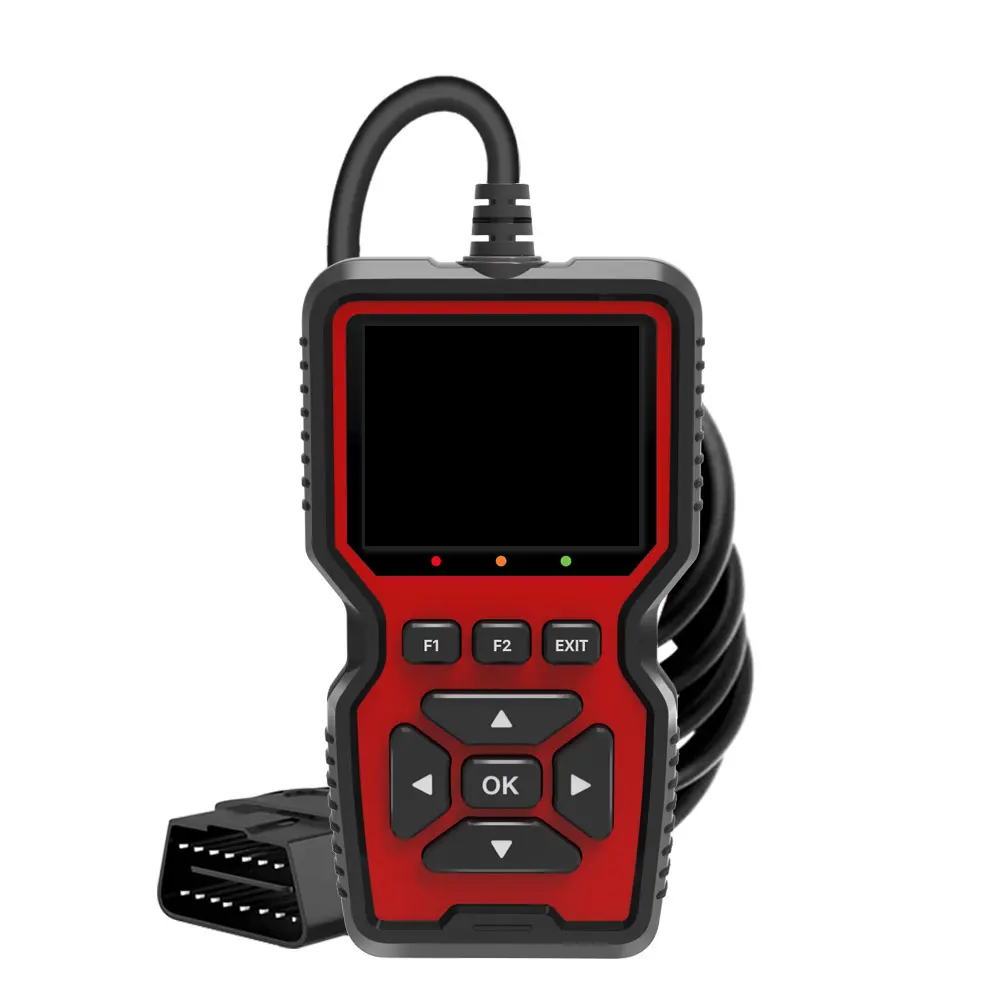
Diagnosing P0245 requires a methodical approach, utilizing an OBD-II scan tool and a digital multimeter (DMM).
- OBD-II Scan Tool Analysis:
- Connect an OBD-II scan tool to confirm the presence of P0245. Check for any other related codes that might point to a broader system issue.
- Review live data stream for the wastegate solenoid’s commanded duty cycle (if available) and actual boost pressure. Observe if the ECM is attempting to command the solenoid and if there is any response in boost pressure.
- Visual Inspection:
- Locate the turbocharger wastegate solenoid and its electrical connector. Thoroughly inspect the solenoid, its connector, and the entire wiring harness leading to it for any signs of physical damage, chafing, corrosion, or loose connections. Pay close attention to areas where the harness passes through engine compartments or near hot/moving parts.
- Check the vehicle’s fuse box for any blown fuses related to the engine management system or turbocharger control.
- Digital Multimeter (DMM) Testing (Key Off, Disconnected Solenoid):
- Solenoid Resistance Check: Disconnect the electrical connector from the wastegate solenoid. Using the DMM, measure the resistance across the two terminals of the solenoid. Compare this reading to the manufacturer’s specifications (typically 10-40 ohms). An open circuit (DMM reads OL or infinite resistance) or a short circuit (DMM reads near 0 ohms) indicates a faulty solenoid.
- Wiring Continuity Check: With the solenoid still disconnected, disconnect the ECM/PCM connector (if safe and accessible) to isolate the circuit. Using the DMM, check for continuity between the solenoid harness connector pins and their respective ECM/PCM harness pins. Any absence of continuity indicates an open circuit in the wiring.
- Short to Ground Check: While performing the continuity check, also check for shorts to ground by placing one DMM lead on each wire terminal at the solenoid connector and the other DMM lead to a known good chassis ground. Any continuity indicates a short to ground.
- DMM Testing (Key On, Connected Solenoid):
- Power Supply Check: With the ignition ON (engine OFF), carefully back-probe the wastegate solenoid connector (without disconnecting it) to check for battery voltage on the power supply wire. If no voltage, trace back the circuit to its power source (fuse/relay).
- Ground/Control Signal Check: On the control side wire, if the ECM switches ground, you should see battery voltage when the solenoid is not commanded and a drop towards 0V when commanded. If the ECM supplies voltage, you’ll see voltage when commanded. This may require an oscilloscope for PWM signals.
- Actuator Test (if applicable): Some advanced scan tools can perform bi-directional control tests, allowing you to command the wastegate solenoid to cycle on and off. Listen for an audible click from the solenoid or observe the wastegate actuator arm for movement to confirm mechanical operation (though P0245 is an electrical fault).
Recommended Repairs and Solutions
Based on the diagnostic findings, the following repairs are commonly recommended:
- Replace Turbocharger Wastegate Solenoid: If the DMM resistance test indicates an internal fault (open circuit, short circuit, or out-of-spec resistance) within the solenoid, replacing the wastegate solenoid is the most common solution. Ensure the replacement part is an OEM or high-quality aftermarket equivalent.
- Repair or Replace Wiring Harness: If diagnostic steps identify an open circuit, short to ground, or damaged insulation in the wiring harness, the affected section must be professionally repaired or the entire harness replaced. Use appropriate automotive-grade wiring and connectors, ensuring secure, insulated repairs.
- Clean Electrical Connectors: If corrosion or poor contact is identified at the solenoid connector, clean the terminals thoroughly using electrical contact cleaner and a small brush. Apply a small amount of dielectric grease to prevent future corrosion before reattaching the connector securely.
- Replace Blown Fuse: If a blown fuse is discovered, replace it with a fuse of the correct amperage. It is crucial to also investigate the underlying cause of the fuse blow, as a faulty solenoid or shorted wiring could be the root cause that would otherwise blow the new fuse.
- ECM/PCM Replacement: This is a rare occurrence and should only be considered after all other possibilities, including wiring integrity, power, and ground supply to the solenoid, have been meticulously ruled out. ECM replacement typically requires specialized programming and calibration.
Important Mechanics’ Tips:
- Always clear DTCs after completing any repairs and perform a comprehensive test drive under varying load conditions to confirm the code does not return and the issue is resolved.
- When working with turbocharger systems, ensure all vacuum lines and pressure hoses are correctly routed and sealed, as leaks can cause related boost control issues.
- Pay close attention to manufacturer-specific torque specifications when reassembling components.
- Some wastegate solenoids are integrated into larger assemblies, which may affect the repair cost and complexity.