What Does Code P0282 Mean?
The diagnostic trouble code P0282 signifies that the Engine Control Module (ECM), often referred to as the Powertrain Control Module (PCM), has detected an electrical fault within the control circuit for the fuel injector assigned to Cylinder 8. Specifically, “Circuit Low” indicates that the ECM has observed a voltage reading on the control side of the injector circuit that is significantly lower than expected, or that the current draw is abnormally high, suggesting either a short to ground, an excessive load, or an internal fault within the injector coil itself that presents as a low resistance short.
The ECM actively monitors the electrical characteristics of each fuel injector’s circuit. When it commands Cylinder 8’s injector to open and deliver fuel, it expects a specific voltage drop and current flow across the injector’s solenoid windings. If the ECM registers a voltage reading that deviates below the calibrated threshold, indicating a persistent low voltage or shorted condition within the circuit, it interprets this as a malfunction. This fault directly impacts the precise fuel delivery to Cylinder 8, leading to an incorrect air-fuel mixture and potential combustion irregularities.
Common Symptoms
- Engine Misfire: A noticeable misfire, often felt as a rough running engine, particularly at idle or under light load, due to the inability of Cylinder 8 to combust fuel efficiently.
- Reduced Engine Performance: A discernible loss of engine power, acceleration, and overall responsiveness as one cylinder is not contributing fully or at all to the engine’s output.
- Rough Idling: The engine may shake or vibrate excessively when idling, symptomatic of an imbalanced power delivery across the cylinders.
- Check Engine Light (CEL) Illumination: The Malfunction Indicator Lamp (MIL) will illuminate on the dashboard, indicating a detected powertrain fault.
- Increased Fuel Consumption: The ECM may attempt to compensate for the misfiring cylinder by adjusting fuel delivery to other cylinders, potentially leading to an overall richer condition and reduced fuel economy.
- Abnormal Exhaust Odor: In some cases, unburnt fuel (if the injector is stuck open or leaking, though less common for a “circuit low” which usually implies no activation) or a strong exhaust smell due to an imbalanced air-fuel ratio.
What Causes the Code P0282?
- Faulty Fuel Injector (Cylinder 8): An internal electrical fault within the injector itself, such as a shorted coil winding, which causes excessive current draw or an abnormally low resistance circuit, thus triggering the “Circuit Low” condition.
- Wiring Harness Short to Ground: The control wire or power supply wire for Cylinder 8’s fuel injector is chafed, melted, or otherwise damaged, causing it to short directly to the vehicle’s chassis or another ground source.
- Damaged Electrical Connector: Corrosion, bent or pushed-out pins, or a loose connection at the fuel injector’s electrical connector or the ECM connector, leading to an intermittent or constant short circuit condition.
- Faulty Engine Control Module (ECM/PCM): While less common, an internal failure within the ECM’s injector driver circuit for Cylinder 8 can cause an erroneous “Circuit Low” reading or fail to properly control the injector. This is usually considered a last resort after thorough testing of the injector and wiring.
How to Diagnose and Troubleshoot
Diagnosing P0282 requires meticulous attention to electrical details and proper use of diagnostic tools. A logical, step-by-step approach is crucial:
- 1. Initial Scan Tool Verification:
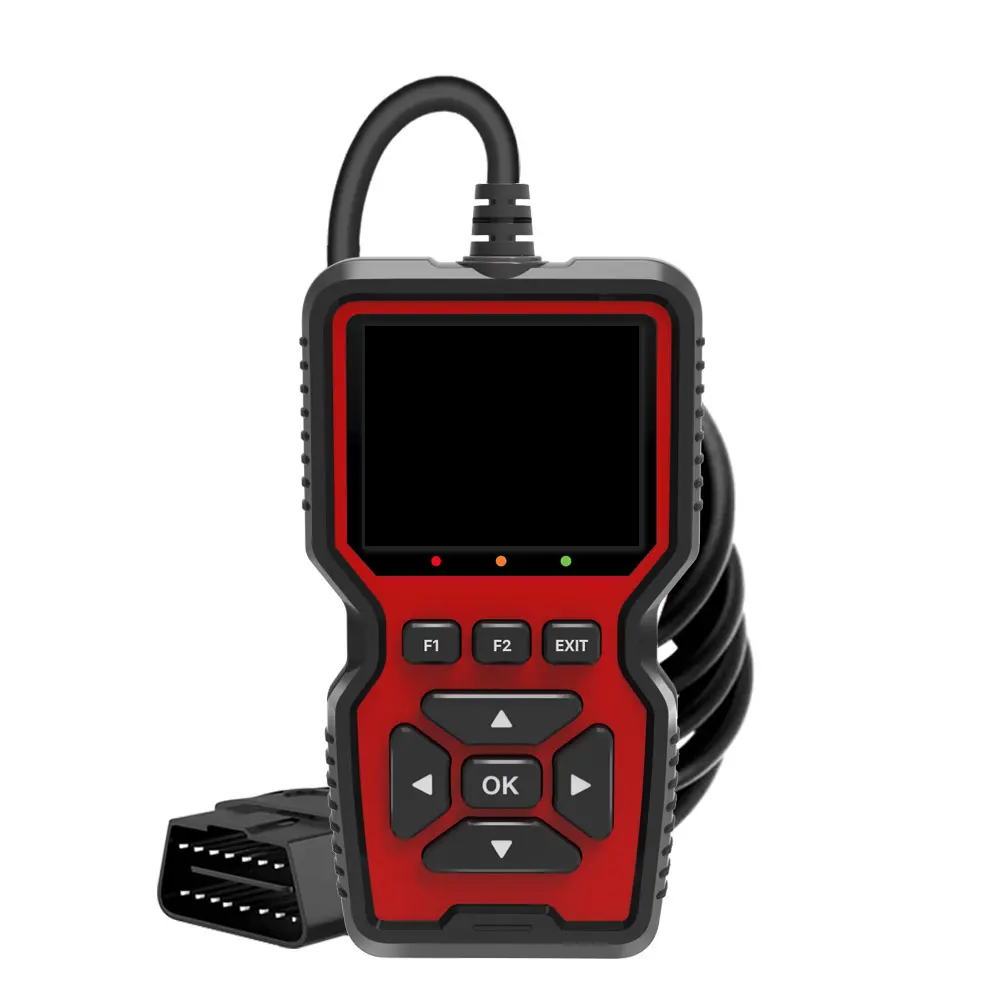
- Connect an OBD-II scan tool and confirm the presence of P0282. Check for any accompanying misfire codes (e.g., P0308 for Cylinder 8) or other related fuel trim codes. Review freeze frame data to understand engine conditions (RPM, load, temperature) when the fault was set. Clear the code and perform a brief road test to see if it immediately returns, which can indicate a hard fault.
- 2. Comprehensive Visual Inspection:
- Locate Cylinder 8’s fuel injector and its electrical connector. Carefully inspect the wiring harness leading to the injector for any signs of physical damage, chafing against engine components, pinch points, or exposure to excessive heat. Examine the injector connector for corrosion, bent or recessed pins, or a loose fit. Follow the wiring loom as far as feasible back toward the ECM, checking for similar issues.
- 3. Fuel Injector Resistance Test:
- With the ignition OFF, disconnect the electrical connector from the Cylinder 8 fuel injector. Set your Digital Multimeter (DMM) to measure resistance (Ohms – Ω). Measure the resistance directly across the two terminals of the fuel injector itself. Compare this reading to the manufacturer’s specifications (typically 10-18 Ohms for most port-injected systems, but consult vehicle-specific service data). An abnormally low resistance (significantly below spec) indicates an internal short within the injector, while an open circuit (OL or infinite resistance) indicates a broken coil winding, though P0282 usually points to a low resistance short.
- 4. Wiring Harness Integrity Tests:
- Power Supply Check: With the ignition ON (engine OFF), connect the DMM’s positive lead to the power supply wire terminal (typically the wire that is NOT directly controlled by the ECM) within the injector harness connector, and the negative lead to a known good chassis ground. Verify battery voltage (approx. 12.6V). If voltage is absent or significantly low, trace the power supply wire back through its circuit (fuse box, relay) to find the cause of the voltage drop or open circuit.
- Control Circuit Short to Ground: With both the injector and the ECM connectors disconnected, set the DMM to measure resistance. Place one probe on the injector control wire terminal at the injector harness connector and the other probe on a known good chassis ground. A very low resistance reading (close to 0 Ohms) indicates a direct short to ground in the control wire. Trace and repair the short.
- Control Circuit Continuity: If no short is found, identify the Cylinder 8 injector control wire at the ECM connector using a wiring diagram. With both connectors disconnected, measure resistance between the injector control wire at the injector harness connector and the corresponding pin at the ECM connector. Resistance should be very low (typically less than 0.5 Ohms). High resistance indicates a break or poor connection in the control wire.
- 5. Injector Noid Light Test (If no internal injector fault or wiring short is found):
- Disconnect the Cylinder 8 injector electrical connector. Plug a Noid Light into the injector harness connector. Crank the engine (or start it if possible and safe). The Noid Light should flash brightly, indicating the ECM is attempting to send a control pulse. If it does not flash, and power and ground to the injector harness connector were previously verified, the issue likely resides within the ECM’s injector driver circuit for Cylinder 8.
Recommended Repairs and Solutions
Once the diagnostic process has pinpointed the root cause of P0282, the following repairs are typically performed:
- Replace Faulty Fuel Injector: If the injector resistance test fails, or if the injector is confirmed to have an internal electrical short, replacing the Cylinder 8 fuel injector is the primary solution. Always use a high-quality OEM or equivalent replacement part and ensure to replace all associated O-rings and seals to prevent fuel leaks.
- Repair or Replace Damaged Wiring: If the diagnostic steps identify a short to ground, an open circuit, or damaged insulation in the wiring harness leading to Cylinder 8’s injector, the affected section of the wiring must be professionally repaired. This may involve splicing in new wire segments using appropriate gauge wire, solder, and heat-shrink tubing, or, in cases of extensive damage, replacing a larger section of the engine wiring harness.
- Repair or Replace Corroded/Damaged Connector: If corrosion is found at the injector or ECM connector, clean the terminals thoroughly using specialized electrical contact cleaner and a fine brush. If pins are bent, pushed out, or the plastic housing is compromised, replace the connector shell or individual terminals as necessary to ensure a secure and reliable electrical connection.
- ECM/PCM Replacement: In rare instances, if all other components (injector, wiring, connectors) have been thoroughly tested and confirmed to be in good working order, and the ECM’s injector driver for Cylinder 8 is verified to be faulty (e.g., no Noid light pulse despite good power/ground), then ECM replacement may be necessary. This is a costly repair that often requires reprogramming the new module to the vehicle’s specific parameters and should only be undertaken after all other possibilities have been exhaustively ruled out by a qualified technician.
- Post-Repair Verification: After completing any repair, clear all diagnostic trouble codes using the OBD-II scanner. Perform an extended road test under various driving conditions (idle, acceleration, steady speed) to confirm that the code P0282 does not return and that the engine is running smoothly without misfires or other performance issues. Monitor live data for Cylinder 8’s injector operation if available.