What Does Code P0283 Mean?
DTC P0283 signifies an issue detected by the Powertrain Control Module (PCM) or Engine Control Module (ECM) within the electrical control circuit for the fuel injector on Cylinder 8. Specifically, “Circuit High” indicates that the PCM is detecting a voltage reading on the injector control circuit that is higher than the expected operating range, or it is sensing an open circuit. Modern fuel injectors are typically supplied with a constant battery voltage (B+) on one terminal, while the PCM controls the injector by grounding the other terminal to open the injector and allow fuel delivery. When the PCM commands the injector to close, the ground circuit is opened. A “Circuit High” condition often implies an open circuit on the control side, a short to a voltage source, or excessive resistance within the circuit, preventing the PCM from effectively grounding the injector or sensing the correct voltage drop across its coil. The PCM monitors the resistance and voltage characteristics of this circuit and sets P0283 when these parameters fall outside calibrated thresholds, indicating a failure to achieve the proper electrical state for Cylinder 8’s injector.
Common Symptoms
- Engine Misfire: A noticeable and often severe misfire on cylinder 8 due to a lack of proper fuel delivery.
- Rough Idling: The engine may idle erratically, shake, or vibrate more than usual.
- Reduced Engine Performance: Loss of power, hesitation, and poor acceleration, especially under load.
- Check Engine Light (CEL) Illumination: The Malfunction Indicator Lamp (MIL) will be illuminated on the dashboard.
- Decreased Fuel Economy: While cylinder 8 is not firing, the PCM might attempt to compensate or the overall engine inefficiency will lead to higher fuel consumption.
- Unburnt Fuel Odor: In some cases, if the injector is stuck open or leaking, raw fuel may be present in the exhaust. Conversely, if the injector is completely inoperative, a lean misfire may occur.
What Causes the Code P0283?
- Faulty Fuel Injector: An internal open circuit, excessive resistance, or a short circuit within the injector’s coil winding for cylinder 8.
- Wiring Harness Issues: An open circuit (break) in the wiring leading to the cylinder 8 injector, especially on the control side. This can also include chafed wires shorting to a voltage source.
- Corroded or Loose Electrical Connector: Poor connection at the cylinder 8 fuel injector itself or at the PCM connector, leading to high resistance or an intermittent open circuit.
- Short to Voltage: The injector control wire for cylinder 8 has inadvertently come into contact with a constant voltage source.
- Faulty Powertrain Control Module (PCM/ECM): A rare but possible failure of the internal injector driver circuit for cylinder 8 within the PCM.
How to Diagnose and Troubleshoot
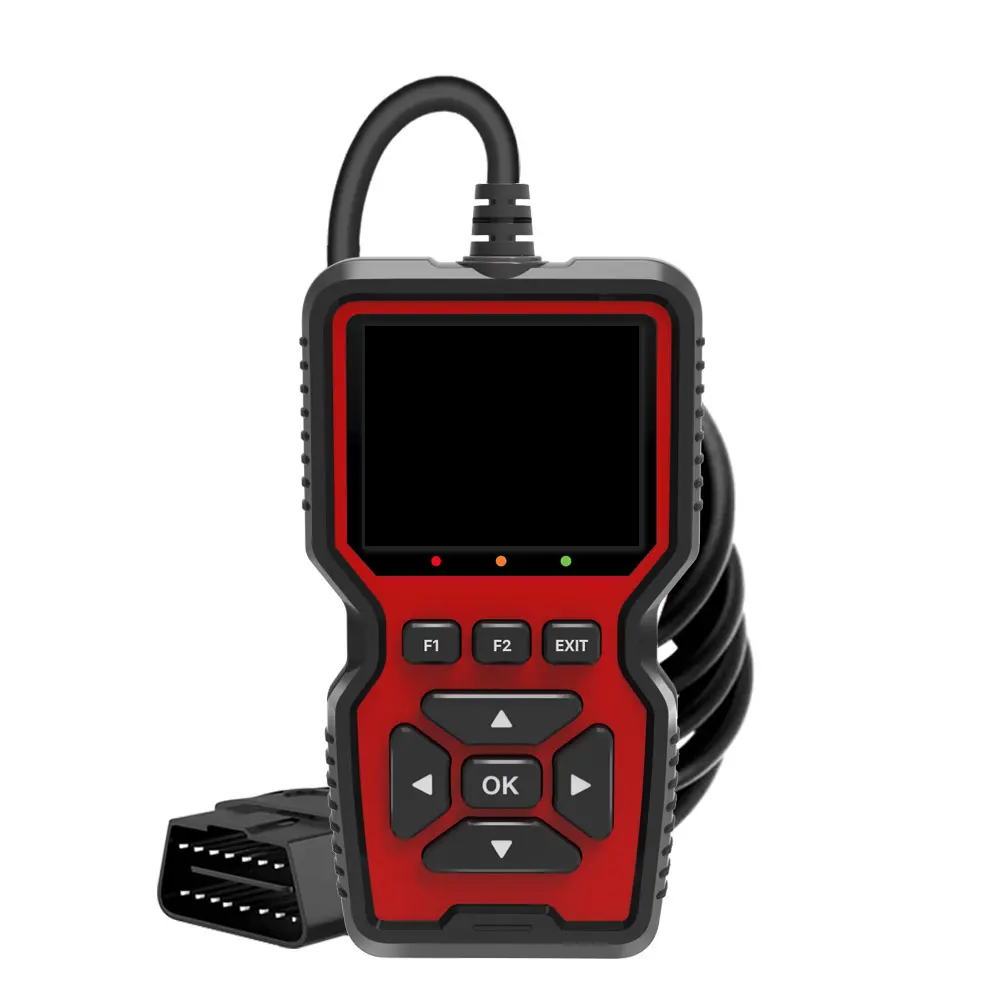
Diagnosing P0283 requires a methodical approach using a digital multimeter (DMM) and an OBD-II scan tool.
- Preliminary Scan and Inspection:
- Connect an OBD-II scanner and check for any additional diagnostic trouble codes, especially misfire codes (e.g., P0308 for cylinder 8 misfire) or other injector circuit codes. Record and then clear all codes.
- Visually inspect the wiring harness for cylinder 8’s fuel injector. Look for signs of chafing, fraying, cuts, or heat damage.
- Inspect the electrical connector at the injector for corrosion, bent pins, or a loose fit. Do the same at the PCM connector, though accessing this often requires more disassembly.
- Injector Power Supply Check:
- With the ignition OFF, disconnect the electrical connector from the cylinder 8 fuel injector.
- Turn the ignition to the ON position (Key On Engine Off – KOEO).
- Using a DMM set to DC Volts, probe one terminal of the injector connector (the power supply wire) and ground the other lead of the DMM. You should read battery voltage (approximately 12V). If no voltage is present, troubleshoot the power supply circuit (fuse, relay, wiring).
- Fuel Injector Resistance Test:
- Turn the ignition OFF.
- With the injector connector still disconnected, use the DMM set to Ohms (Ω) to measure the resistance across the two terminals of the fuel injector itself.
- Compare this reading to the manufacturer’s specifications (typically 10-18 Ohms for high-impedance injectors). An open circuit (OL or infinite resistance) or a reading significantly higher than specification indicates a faulty injector.
- For comparison, measure the resistance of an injector on a known good cylinder. If cylinder 8’s injector resistance is significantly different, replace the injector.
- Injector Control Circuit Continuity and Short Test:
- Turn ignition OFF. Disconnect the PCM connector that contains the injector control wire for cylinder 8. Consult a wiring diagram for the correct pinout.
- With the DMM set to Ohms, measure continuity between the injector harness connector (control side) and the corresponding pin at the PCM connector. There should be very low resistance (close to 0 Ohms). High resistance indicates an open circuit in the wire.
- Next, check for a short to ground: With the DMM on Ohms, probe the injector control wire at the PCM connector and touch the other lead to a known good chassis ground. There should be infinite resistance (OL). Any reading indicates a short to ground.
- Check for a short to voltage: Reconnect the PCM, but keep the injector disconnected. With KOEO, set the DMM to DC Volts and probe the control wire at the injector connector. There should be 0V. Any voltage indicates a short to voltage.
- Injector Pulse Test (Advanced):
- If all previous tests pass, use a noid light or an oscilloscope to check for the PCM’s injector pulse signal. Connect the noid light to the injector connector and crank the engine. The light should flash rapidly. If it does not flash, or flashes erratically, and the wiring and injector are confirmed good, suspect the PCM injector driver.
Recommended Repairs and Solutions
Based on the diagnostic findings, the following repairs are typically recommended:
- Replace Fuel Injector: If the injector itself showed an open circuit, excessive resistance, or the code followed the injector when swapped with a known good one, replacing the cylinder 8 fuel injector is the primary solution. Ensure proper seating and O-ring replacement to prevent fuel leaks.
- Repair or Replace Wiring Harness: If damaged, chafed, or corroded wiring or connectors were identified, repair the specific section of the harness or replace the entire harness if damage is extensive. Always use high-quality, heat-shrink butt connectors or solder connections for durable repairs.
- Clean or Replace Connectors: If corrosion or poor contact at the injector or PCM connector was the cause, clean the terminals thoroughly with electrical contact cleaner or replace the faulty connector. Applying dielectric grease during reassembly can help prevent future corrosion.
- PCM Replacement (Last Resort): Only after thoroughly confirming that the injector, wiring, and connectors are all functioning correctly should PCM replacement be considered. PCM replacement often requires programming or “flashing” to the vehicle’s specific VIN and options, which should be performed by a qualified technician with appropriate diagnostic equipment.
- Post-Repair Verification: After any repair, clear all diagnostic trouble codes using a scan tool. Start the engine and perform a thorough test drive under various operating conditions to ensure the code does not return and that the engine performs normally. Monitor live data for cylinder misfires.