What Does Code P0293 Mean?
DTC P0293 signifies a Cylinder 11 Contribution/Balance Fault. This code is triggered by the Engine Control Module (ECM) or Powertrain Control Module (PCM) when it detects that Cylinder 11 is not contributing its expected share of power to the crankshaft’s rotation, or that its power delivery is significantly imbalanced compared to the other cylinders. The ECM monitors crankshaft rotational speed and acceleration during the power stroke of each cylinder using the crankshaft position sensor. If the ECM observes a greater-than-calibrated deceleration or an insufficient acceleration during Cylinder 11’s combustion event, indicating a lack of energy output, it interprets this as a contribution or balance fault and illuminates the Check Engine Light (CEL).
This diagnostic strategy is designed to identify specific cylinder performance issues that may not always manifest as a conventional misfire (P030x series codes), but rather as an inefficiency or inconsistency in power delivery, impacting engine smoothness, fuel efficiency, and emissions. The fault is typically attributed to issues affecting the combustion process within Cylinder 11, ranging from fuel delivery, ignition, or mechanical integrity.
Common Symptoms
- Illuminated Check Engine Light (CEL): This is often the first and most obvious symptom.
- Rough Idling or Stalling: The engine may run unevenly, particularly at idle, due to the imbalanced power output.
- Reduced Engine Performance: A noticeable loss of power, hesitation during acceleration, or sluggish response.
- Decreased Fuel Economy: Inefficient combustion in one cylinder can lead to the ECM attempting to compensate, increasing overall fuel consumption.
- Engine Vibration or Shudder: A feeling of vibration throughout the vehicle, especially under load or at certain RPMs.
- Unusual Engine Noises: Depending on the underlying mechanical cause, clicking, ticking, or knocking sounds may be present.
What Causes the Code P0293?
- Faulty Fuel Injector for Cylinder 11: This could be a clogged, restricted, leaking, or electrically defective injector, leading to insufficient or incorrect fuel delivery.
- Defective Ignition System Component for Cylinder 11: A worn or fouled spark plug, a failing ignition coil, or a damaged spark plug wire (if applicable) can prevent proper ignition of the air/fuel mixture.
- Low Compression in Cylinder 11: Mechanical issues such as worn piston rings, damaged or burnt valves, a faulty valve seat, a compromised head gasket, or cracks in the cylinder head or engine block can lead to a loss of compression.
- Vacuum Leak Affecting Cylinder 11: A localized vacuum leak near Cylinder 11, such as a damaged intake manifold gasket or a crack in the intake runner, can cause an excessively lean air/fuel mixture.
- Wiring or Connector Issues: An open circuit, short circuit, or poor connection in the wiring harness affecting the fuel injector or ignition coil for Cylinder 11.
- ECM/PCM Malfunction: While less common, a faulty ECM/PCM could incorrectly interpret crankshaft position sensor data or fail to properly control Cylinder 11’s systems.
How to Diagnose and Troubleshoot
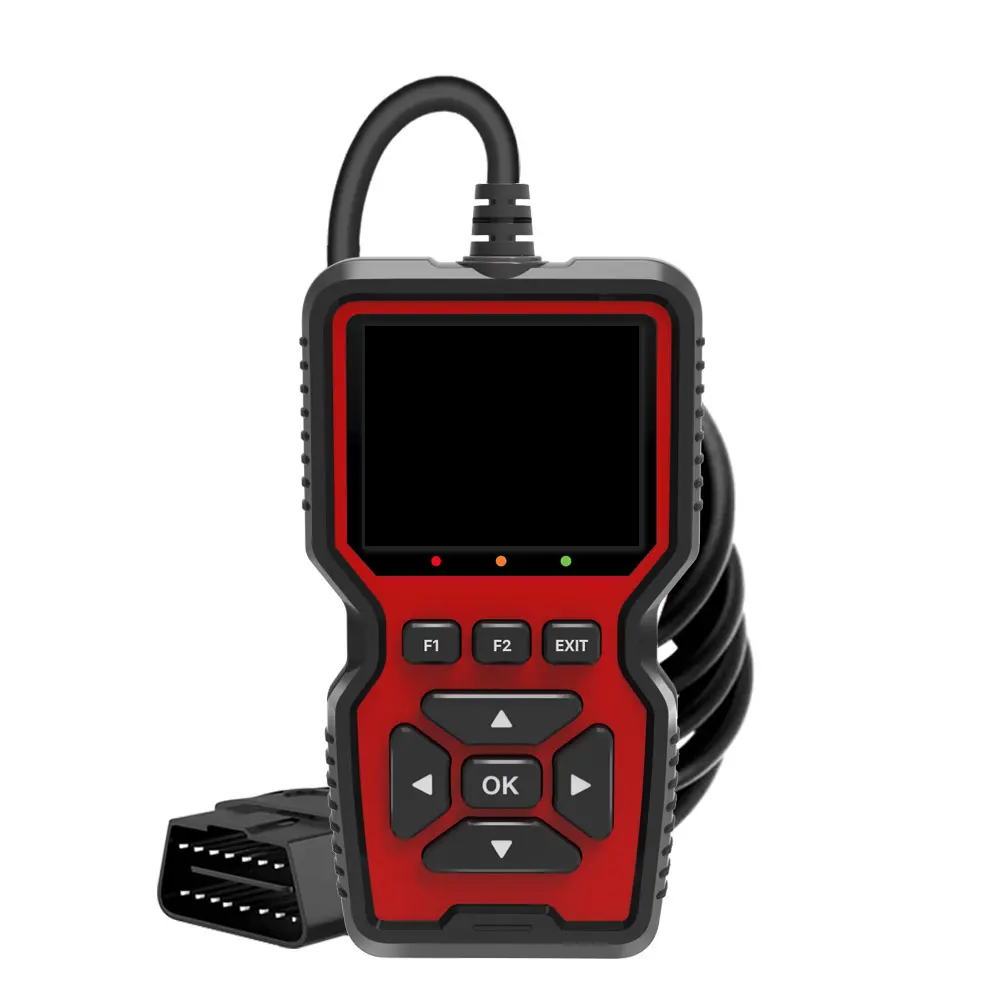
Diagnosing P0293 requires a systematic approach, often involving an OBD-II scanner, a digital multimeter (DMM), and specialized engine diagnostic tools.
- Retrieve and Analyze DTCs and Freeze Frame Data:
- Connect an OBD-II scanner and record all stored DTCs, especially any P030x misfire codes for Cylinder 11 or related fuel trim codes.
- Review freeze frame data to understand engine conditions (RPM, load, temperature, etc.) when the P0293 code was set. This provides crucial context for replication.
- Visual Inspection:
- Inspect the ignition coil, spark plug wire (if applicable), and fuel injector connector for Cylinder 11 for any signs of damage, corrosion, or loose connections.
- Check the spark plug for Cylinder 11 for proper gap, excessive wear, fouling (oil, fuel, carbon), or cracking.
- Examine vacuum lines and the intake manifold area around Cylinder 11 for any visible cracks or disconnections.
- Verify the integrity of the wiring harness leading to Cylinder 11’s injector and ignition coil.
- Misfire Counter Monitoring (Live Data):
- Using a capable OBD-II scanner, monitor live misfire counters for all cylinders. Observe if Cylinder 11 consistently logs a significantly higher number of misfires or contribution errors compared to others, especially under various load conditions.
- Ignition System Test for Cylinder 11:
- Spark Test: Remove the spark plug and connect it to its ignition coil/wire (ensure it’s grounded) or use a dedicated spark tester. Crank the engine (briefly) to confirm a strong, consistent spark.
- Component Swapping: If possible and practical, swap the ignition coil and spark plug from Cylinder 11 with an adjacent, known-good cylinder. Clear codes and re-test. If the fault moves to the new cylinder, the swapped component is likely defective.
- Ignition Coil Resistance Check: Use a DMM to check the primary and secondary resistance of the ignition coil, comparing it to manufacturer specifications.
- Fuel System Test for Cylinder 11:
- Noid Light Test: Connect a noid light to the fuel injector connector for Cylinder 11. Crank the engine to verify that the ECM is sending a consistent pulse signal to the injector.
- Fuel Injector Resistance Test: Disconnect the injector and use a DMM to measure its resistance. Compare to specifications and other cylinders. A reading outside the specified range or an open circuit indicates a faulty injector winding.
- Fuel Injector Balance Test: This test, performed with specialized equipment or some advanced scanners, checks the flow rate of each injector. A significantly lower flow from Cylinder 11’s injector points to clogging or restriction.
- Component Swapping: Swap the fuel injector from Cylinder 11 with an adjacent, known-good cylinder. Clear codes and re-test. If the fault moves, the injector is likely defective. (Ensure to replace O-rings when swapping injectors).
- Engine Mechanical Test (Compression and Leak-Down):
- Compression Test: Perform a dry and then a wet compression test on Cylinder 11. Compare readings to adjacent cylinders and manufacturer specifications. A low compression reading indicates a mechanical fault.
- Leak-Down Test: If compression is low, a leak-down test will help pinpoint the exact source of the leak (valves, rings, head gasket) by listening for escaping air through the throttle body, exhaust, oil filler cap, or cooling system.
- ECM/Wiring Integrity Check:
- If all other checks are inconclusive, use a DMM to check continuity and for shorts in the wiring between the ECM connector and Cylinder 11’s fuel injector and ignition coil connectors. Refer to the vehicle’s wiring diagrams.
Recommended Repairs and Solutions
The repair for P0293 is entirely dependent on the root cause identified during diagnosis. Always verify the repair by clearing the DTCs, performing a test drive under varying conditions, and re-checking live data for any recurring misfires or contribution issues.
- Replace Faulty Ignition Components: If the spark plug, ignition coil, or spark plug wire for Cylinder 11 is determined to be defective, replace it with a high-quality OEM or equivalent aftermarket part.
- Service or Replace Fuel Injector: If the fuel injector for Cylinder 11 is clogged, it may be possible to clean it using an ultrasonic cleaner (professional service recommended). If it’s electrically faulty, leaking, or severely restricted, replacement is necessary. Always replace associated O-rings and seals.
- Address Low Compression Issues:
- If a worn spark plug or ignition component was masking a mechanical issue, resolving that may improve combustion.
- For worn piston rings, an engine overhaul (piston ring replacement) is typically required.
- For damaged or burnt valves, valve seats, or camshaft lobes/lifters, a cylinder head removal and valve job or replacement of associated components will be necessary.
- A blown head gasket or a cracked cylinder head/block requires significant engine repair or replacement.
- Repair Vacuum Leaks: Replace any cracked or deteriorated vacuum lines or intake manifold gaskets specific to Cylinder 11. Ensure all connections are secure.
- Repair Wiring Harness: If wiring or connectors are damaged, perform precise repairs using appropriate connectors and heat-shrink tubing, or replace the section of the harness.
- ECM/PCM Replacement: This is a last resort, only considered after ruling out all other possibilities and confirming a definitive ECM fault through specialized diagnostic procedures. ECMs often require programming after replacement.
Mechanic’s Tip: When replacing ignition or fuel components, it’s often prudent to inspect and consider replacing the components on adjacent cylinders or all cylinders in a bank, especially if they are high-mileage items. For example, if one spark plug is severely worn, others may follow soon. Always use anti-seize on spark plug threads and torque all fasteners to manufacturer specifications.