What Does Code P0303 Mean?
DTC P0303 indicates that the Engine Control Module (ECM), often referred to as the Powertrain Control Module (PCM), has detected a misfire condition specifically within cylinder #3. A misfire occurs when an insufficient amount of fuel is combusted in a cylinder, leading to a reduction in engine power and an increase in unburnt hydrocarbons in the exhaust stream. The ECM utilizes input from the Crankshaft Position (CKP) sensor to monitor variations in the rotational speed of the crankshaft. During normal operation, the crankshaft speed exhibits a consistent acceleration pattern. When a cylinder misfires, the combustion event is either weak or entirely absent, causing a momentary deceleration or irregularity in crankshaft rotation. The ECM is calibrated to recognize these specific crankshaft speed anomalies as a misfire event. If these irregularities exceed a predetermined threshold within a specified number of engine revolutions, and if the misfire is identified as consistently occurring in cylinder #3, the P0303 code is stored. Persistent misfires can lead to severe catalytic converter damage due to unburnt fuel entering and overheating the catalyst, and can also significantly impact emissions, fuel economy, and engine drivability.
Common Symptoms
- Check Engine Light (CEL) Illumination: The Malfunction Indicator Lamp (MIL) will typically illuminate. In cases of severe or continuous misfires, the MIL may flash, indicating a condition that could rapidly damage the catalytic converter.
- Rough Engine Idle: The engine may exhibit a noticeable shake or vibration, particularly at idle, due to the imbalance created by one cylinder not firing correctly.
- Reduced Engine Power and Acceleration: A misfiring cylinder directly reduces the overall power output, resulting in noticeable sluggishness, hesitation, or poor acceleration.
- Increased Fuel Consumption: The ECM may attempt to compensate for the misfire, potentially enriching the fuel mixture or altering ignition timing, leading to decreased fuel efficiency.
- Engine Hesitation or Stumbling: Under load or during acceleration, the vehicle may feel like it is “bucking” or hesitating.
- Smell of Unburnt Fuel: Raw fuel passing through the misfiring cylinder and entering the exhaust system can emit a distinct fuel odor from the tailpipe.
What Causes the Code P0303?
- Ignition System Fault:
- Worn or Fouled Spark Plug: A damaged, excessively worn, or carbon-fouled spark plug in cylinder #3 can prevent proper spark ignition.
- Faulty Ignition Coil: The ignition coil specifically responsible for cylinder #3 (or a faulty coil pack if it’s a wasted spark system) may fail to produce adequate voltage for a strong spark.
- Damaged Spark Plug Wire: If applicable, a cracked, corroded, or high-resistance spark plug wire for cylinder #3 can impede spark delivery.
- Fuel System Fault:
- Clogged or Defective Fuel Injector: A fuel injector for cylinder #3 that is stuck closed, partially clogged, or electrically faulty will not deliver the correct amount of fuel into the combustion chamber.
- Low Fuel Pressure: While often affecting multiple cylinders, critically low system fuel pressure or a faulty fuel pump can starve cylinder #3, especially under load.
- Fuel Contamination: Water or debris in the fuel system can disrupt the combustion process.
- Engine Mechanical Fault:
- Low Compression: Issues such as worn piston rings, damaged or burnt valves, a faulty valve seat, or a compromised head gasket (allowing coolant or oil intrusion) in cylinder #3 can prevent proper compression necessary for combustion.
- Valve Train Issues: A stuck open or closed valve, a collapsed lifter, or a worn camshaft lobe affecting cylinder #3’s valves can severely disrupt air intake or exhaust expulsion.
- Air/Vacuum System Leak:
- Intake Manifold Gasket Leak: A vacuum leak near the intake runner for cylinder #3 can allow unmetered air into that specific cylinder, leaning out its air/fuel mixture.
- PCV System Issues: While less common as a direct cause, severe PCV system leaks or blockages can indirectly affect air/fuel balance.
- Wiring or ECM/PCM Fault:
- Damaged Wiring: An open circuit, short circuit, or corroded connector in the wiring harness leading to cylinder #3’s ignition coil or fuel injector can disrupt its operation.
- Faulty ECM/PCM: Although rare, an internal fault within the ECM/PCM affecting the driver circuit for cylinder #3’s ignition coil or fuel injector can cause a misfire.
How to Diagnose and Troubleshoot
A systematic diagnostic approach is crucial to pinpoint the root cause of P0303. Always begin with the simplest and most common issues.
- Initial Scan Tool Analysis:
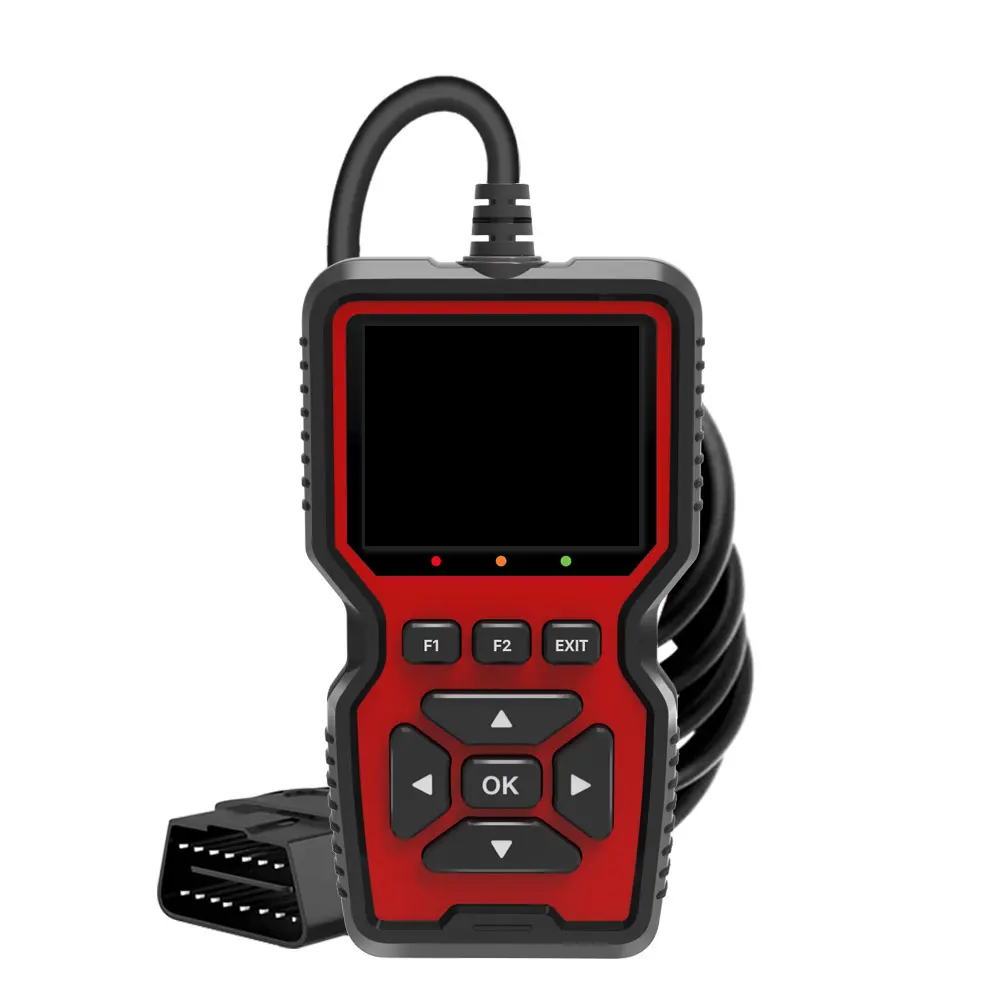
- Connect an OBD-II scanner and confirm the presence of P0303. Check for any other related or pending DTCs.
- Review freeze frame data to understand engine conditions (RPM, load, temperature, etc.) when the code was set. This provides crucial context.
- Monitor live data, specifically misfire counts for all cylinders. Confirm that cylinder #3 is indeed the primary source of misfires. Observe fuel trims (Short Term Fuel Trim – STFT, Long Term Fuel Trim – LTFT) for potential lean or rich conditions.
- Visual Inspection:
- Inspect the wiring harness and connectors for cylinder #3’s ignition coil and fuel injector. Look for signs of chafing, corrosion, or damage.
- Examine the ignition coil and spark plug wire (if applicable) for cylinder #3 for cracks, carbon tracking, or signs of arcing.
- Check for obvious vacuum leaks around the intake manifold, vacuum lines, and PCV valve system, particularly near cylinder #3. A smoke machine test is highly effective for detecting subtle leaks.
- Ignition System Diagnostics:
- Spark Plug Inspection: Remove the spark plug from cylinder #3. Inspect its condition (fouling, gap, electrode wear, cracks in the porcelain). Compare its appearance to spark plugs from other cylinders. If possible, swap it with a known good plug from another cylinder to see if the misfire moves.
- Ignition Coil Test (Swap Method): Swap the ignition coil from cylinder #3 with a coil from a non-misfiring cylinder (e.g., #2 or #4). Clear DTCs and restart the engine. If the misfire now moves to the cylinder where the suspect coil was moved (e.g., P0302 if moved to cylinder #2), the coil is faulty. If the misfire remains on cylinder #3, the coil is likely not the issue.
- Power and Ground Check: Using a Digital Multimeter (DMM), verify 12V power and a good ground at the ignition coil connector for cylinder #3 with the ignition ON. Check for the ignition trigger signal from the ECM using a scope or by monitoring voltage fluctuations during cranking.
- Fuel System Diagnostics:
- Noid Light Test: Disconnect the fuel injector connector for cylinder #3 and connect a noid light. Crank the engine; the noid light should flash, indicating the ECM is sending a pulse signal to the injector. A consistent flash confirms ECM control.
- Fuel Injector Resistance Test: Disconnect the injector connector and measure the resistance across the injector terminals with a DMM. Compare the reading to manufacturer specifications and to other injectors. Out-of-spec resistance indicates an internal injector fault.
- Fuel Injector Swap Test: If accessible, swap the fuel injector from cylinder #3 with an injector from a non-misfiring cylinder. Clear DTCs and restart. If the misfire moves, the injector is faulty.
- Fuel Pressure Test: Connect a fuel pressure gauge to the fuel rail. Verify system fuel pressure meets specifications. While less common for a single-cylinder misfire, low system pressure can exacerbate individual injector issues.
- Injector Balance Test: If equipped with a scan tool capable of performing an injector balance test, perform one to assess individual injector flow rates.
- Engine Mechanical Diagnostics:
- Compression Test: Perform a dry compression test on cylinder #3 and compare it to specifications and readings from adjacent cylinders. Low compression indicates an internal mechanical issue. If compression is low, perform a wet compression test (add a small amount of oil into the cylinder); if compression increases significantly, suspect worn piston rings. If it remains low, suspect valve issues or a head gasket leak.
- Leak-Down Test: This test provides more specific information than a compression test. It involves pressurizing the cylinder with compressed air and observing where the air escapes (intake, exhaust, crankcase, coolant reservoir), indicating specific valve, ring, or head gasket problems.
- ECM/PCM and Wiring:
- If all other components test good, carefully inspect the wiring from the ECM to cylinder #3’s ignition coil and fuel injector for continuity, shorts to ground, or shorts to voltage.
- In extremely rare cases, an internal ECM driver circuit for cylinder #3’s ignition coil or fuel injector may be faulty, requiring ECM replacement. This should only be considered after all other avenues have been exhausted.
Recommended Repairs and Solutions
The repair action for P0303 will depend directly on the findings of the diagnostic process. Prioritize the replacement of the component that failed its diagnostic test.
- Replace Spark Plug: If the spark plug for cylinder #3 is worn, fouled, or damaged, replace it. It is often recommended to replace all spark plugs as a set, especially if they are due for maintenance or if one has failed due to age/wear.
- Replace Ignition Coil (or Coil Pack/Wire): If diagnostics indicate a faulty ignition coil for cylinder #3, replace it. If the vehicle uses spark plug wires, inspect and replace the wire for cylinder #3 if it shows signs of damage or high resistance. Consider replacing other coils if they are of similar age and mileage and nearing their service life.
- Clean or Replace Fuel Injector: If cylinder #3’s fuel injector is clogged, a professional fuel system cleaning may resolve the issue. If it tests faulty (electrically or mechanically), replace it. It is often prudent to replace fuel injectors in sets or at least in banks if one fails, as others may be nearing failure.
- Repair Vacuum Leaks: Locate and repair any identified vacuum leaks, such as a faulty intake manifold gasket, cracked vacuum hoses, or a malfunctioning PCV valve.
- Address Engine Mechanical Issues:
- For low compression due to worn piston rings, an engine rebuild or replacement may be necessary.
- For valve train issues (burnt valve, bad valve seat, worn camshaft lobe), a cylinder head service or replacement is required.
- A leaking head gasket will require replacement.
- Repair Wiring: If damaged wiring or corroded connectors are found between the ECM and cylinder #3’s components, repair or replace the affected section of the wiring harness. Ensure all connections are clean and secure.
- ECM/PCM Replacement: As a last resort, if all other components have been thoroughly tested and ruled out, and all wiring verified, an ECM/PCM replacement may be necessary. This often requires programming and calibration to the vehicle.
Important Mechanics’ Tips:
- Always use OEM or high-quality aftermarket replacement parts to ensure reliability and proper function.
- After any repair, clear the DTCs with a scan tool. Perform a drive cycle that mimics the conditions recorded in the freeze frame data to confirm the repair has resolved the misfire and that the P0303 code does not return.
- When diagnosing, be mindful that sometimes a systemic issue (e.g., low fuel pressure, widespread vacuum leak) can manifest as a single-cylinder misfire initially. Always consider both isolated and widespread causes.
- For components like spark plugs and ignition coils, when one fails, it can often be an indicator that other components of similar age/mileage are nearing the end of their service life. Proactive replacement of related components can prevent future breakdowns.