What Does Code P0310 Mean?
DTC P0310 signifies that the Engine Control Module (ECM), also known as the Powertrain Control Module (PCM), has detected a misfire condition specifically within cylinder number 10. The ECM utilizes input from the crankshaft position (CKP) sensor to monitor the rotational speed and acceleration of the crankshaft. During normal combustion, each cylinder firing contributes a measurable acceleration to the crankshaft. When cylinder 10 fails to combust its air-fuel mixture effectively, or at all, the ECM observes an abnormal deceleration or an absence of the expected acceleration impulse during the firing event for that cylinder. This deviation from the expected crankshaft speed profile, when it exceeds a calibrated threshold over a specific number of crankshaft revolutions (e.g., 200 or 1000 revolutions, depending on the misfire type and severity), triggers the P0310 code. This diagnostic trouble code directly indicates a combustion efficiency issue specific to the subsystem responsible for cylinder 10’s operation, which can include its ignition system, fuel delivery, or fundamental mechanical integrity.
Common Symptoms
- Engine Roughness or Vibration: A noticeable shaking or vibration felt throughout the vehicle, particularly at idle or under light load.
- Reduced Engine Performance: A noticeable lack of power, poor acceleration, and overall sluggishness from the engine.
- Rough or Unstable Idle: The engine RPM may fluctuate erratically at idle, often accompanied by audible irregularities.
- Hesitation or Stumbling: The engine may momentarily lose power or “stumble” during acceleration or when attempting to maintain a steady speed.
- Increased Fuel Consumption: Inefficient combustion leads to more fuel being consumed for less power output.
- Check Engine Light (MIL) Illumination: The Malfunction Indicator Lamp will illuminate on the dashboard. In severe cases where a misfire is actively causing catalytic converter damage (e.g., raw fuel entering the exhaust), the MIL may flash.
- Smell of Unburnt Fuel: A distinct odor of raw gasoline may be present from the exhaust tailpipe, indicating incomplete combustion and potential catalyst damage.
What Causes the Code P0310?
- Faulty Ignition Coil: A defective ignition coil for cylinder 10 is one of the most common causes, leading to insufficient or no spark delivery.
- Worn or Fouled Spark Plug: An excessively worn, cracked, or carbon-fouled spark plug in cylinder 10 can prevent proper ignition.
- Damaged Spark Plug Wire/Boot: If applicable to the ignition system design, a compromised spark plug wire or boot can cause spark energy to arc elsewhere instead of reaching the plug.
- Defective Fuel Injector: A clogged, leaking, or electrically faulty fuel injector for cylinder 10 will disrupt proper fuel delivery.
- Low Compression in Cylinder 10: Mechanical issues such as worn piston rings, damaged valves (burnt, bent, or improperly seated), a compromised cylinder head gasket, or excessive camshaft lobe wear can lead to a loss of compression.
- Vacuum Leak: An intake manifold gasket leak or a vacuum hose leak in the immediate vicinity of cylinder 10 can lean out the air-fuel mixture specifically for that cylinder.
- Wiring Harness Issues: An open, short, or high resistance in the wiring circuit for cylinder 10’s ignition coil or fuel injector.
- Contaminated Fuel: Water or debris in the fuel system, while often affecting multiple cylinders, can sometimes manifest as a single-cylinder misfire if one injector is particularly sensitive.
- ECM/PCM Fault: Although rare, an internal fault within the ECM/PCM affecting the driver circuit for cylinder 10’s ignition coil or fuel injector can cause a misfire.
How to Diagnose and Troubleshoot
A systematic diagnostic approach is crucial for accurately identifying the root cause of P0310:
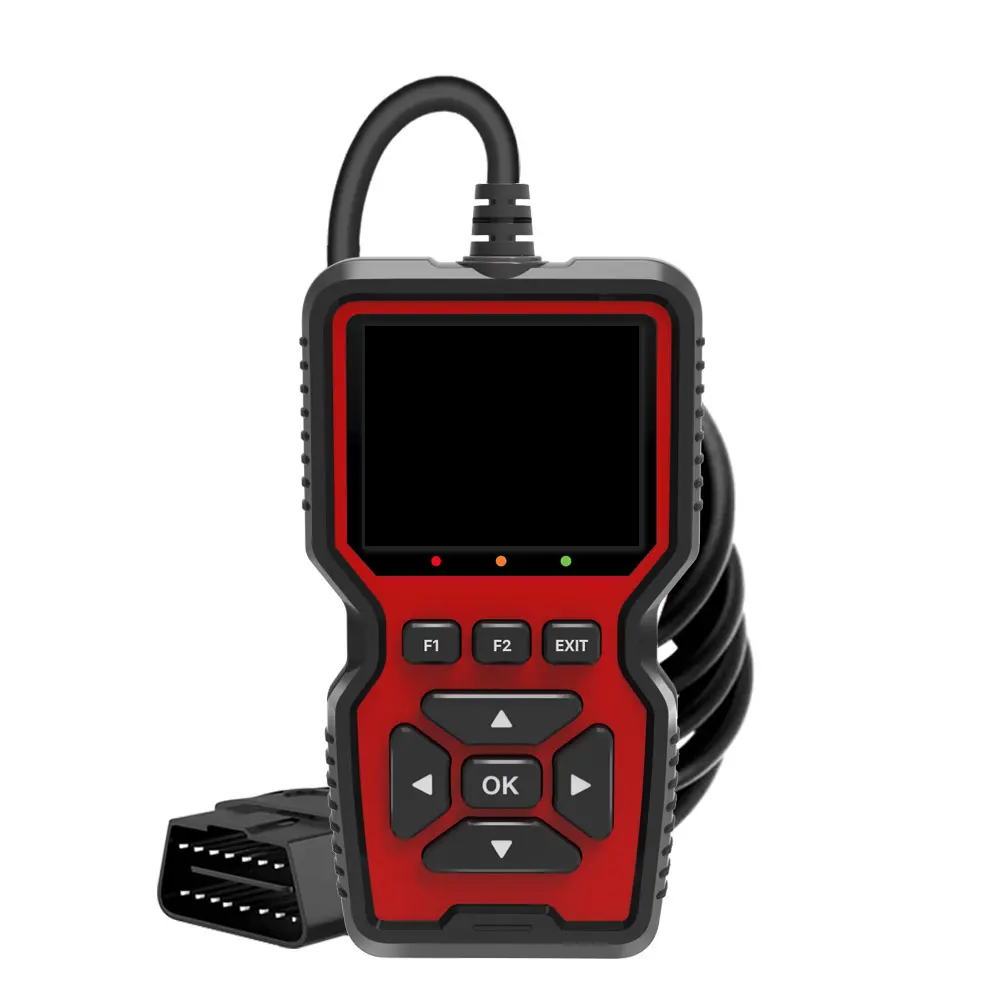
- Initial Scan and Freeze Frame Data Analysis: Connect an OBD-II scanner to confirm P0310. Check for any co-existing Diagnostic Trouble Codes (DTCs), especially P0300 (Random/Multiple Misfire) or fuel trim-related codes. Analyze the freeze frame data to understand engine conditions (RPM, engine load, coolant temperature) when the misfire occurred, which can help in replicating the issue.
- Live Data Monitoring: Monitor the misfire counters for all cylinders in real-time. Confirm that cylinder 10 is consistently logging misfires. Observe fuel trims (Short Term Fuel Trim – STFT and Long Term Fuel Trim – LTFT) for changes, as well as oxygen sensor readings.
- Visual Inspection:
- Carefully inspect the ignition coil, spark plug, and spark plug wire (if applicable) for cylinder 10. Look for visible damage, cracks, carbon tracking, corrosion, or signs of arcing.
- Examine the electrical connectors for the ignition coil and fuel injector for cylinder 10 for looseness, corrosion, or damaged pins.
- Inspect the intake manifold area around cylinder 10 for any signs of vacuum leaks (e.g., cracked hoses, loose manifold bolts, worn gaskets). Listen for hissing sounds with the engine running.
- Ignition System Testing:
- Spark Plug Inspection: Remove the spark plug from cylinder 10. Inspect its condition (e.g., wear, fouling, gap). Compare its appearance to spark plugs from known good cylinders. Replace if fouled or worn.
- Ignition Coil Test (Swap Test): Swap the ignition coil from cylinder 10 with a coil from a known good, adjacent cylinder (e.g., cylinder 8 or 12, depending on engine configuration). Clear DTCs and recheck misfire counters. If the misfire now follows the coil to the new cylinder, the coil is faulty.
- Power/Ground at Coil: Using a Digital Multimeter (DMM), check for 12V power at the ignition coil connector with the ignition ON. Verify a good ground connection.
- Coil Signal: If equipped, use an oscilloscope to check the primary and secondary ignition waveforms of the cylinder 10 coil to ensure the ECM is sending a proper trigger signal and the coil is producing adequate spark.
- Fuel System Testing:
- Fuel Injector Electrical Test: With the ignition OFF, use a DMM to measure the resistance of cylinder 10’s fuel injector. Compare it to manufacturer specifications and the resistance of other injectors. A reading outside specification or significantly different from others indicates an internal fault.
- Injector Circuit Power/Pulse: With the ignition ON, check for 12V power at the injector connector. Use a noid light or an oscilloscope to confirm that the ECM is sending a proper ground pulse to the injector during cranking or engine operation.
- Fuel Injector Swap Test: Similar to the ignition coil, swap cylinder 10’s fuel injector with one from a known good cylinder. If the misfire moves, the injector is faulty.
- Fuel Pressure Test: Connect a fuel pressure gauge to the fuel rail. Verify that fuel pressure is within manufacturer specifications. Perform a fuel pressure leak-down test to check for injector leaks or fuel pump check valve issues.
- Engine Mechanical Testing:
- Compression Test: Perform a wet and dry compression test on cylinder 10. Compare readings to manufacturer specifications and to other cylinders. A significant deviation (e.g., >10-15%) suggests a mechanical problem.
- Leak-Down Test: A more precise test than compression. Pressurize cylinder 10 with compressed air at TDC (compression stroke). Listen for air escaping through the intake manifold (bad intake valve), exhaust tailpipe (bad exhaust valve), oil fill cap or dipstick tube (bad piston rings), or coolant reservoir (bad head gasket).
- Camshaft Lobe Inspection: If a valve train issue is suspected, remove the valve cover and visually inspect the camshaft lobe and rocker arm for cylinder 10 for excessive wear or damage.
- Wiring Harness Verification: If all component tests pass, meticulously inspect the wiring harness for cylinder 10’s ignition coil and fuel injector from the ECM to the component for continuity, shorts to ground/power, or open circuits using a DMM.
Recommended Repairs and Solutions
Once the root cause has been definitively identified through thorough diagnosis, the following repairs are typically recommended:
- Replace Faulty Ignition Components:
- If the ignition coil for cylinder 10 is found to be defective, replace it. Consider replacing all coils if the vehicle is high mileage and the others are original.
- Replace the spark plug for cylinder 10. It is often good practice to replace all spark plugs if they are due for maintenance or if the condition of the fouled plug suggests a systemic issue.
- If equipped, replace any damaged spark plug wires or boots.
- Address Fuel System Issues:
- If the fuel injector for cylinder 10 is clogged, stuck open, or electrically faulty, replace it.
- If low fuel pressure is detected, diagnose and repair the underlying cause, which may involve replacing the fuel pump, fuel filter, or fuel pressure regulator.
- If fuel contamination is evident, drain the fuel tank, replace the fuel filter, and refill with fresh, high-quality fuel.
- Repair Mechanical Faults:
- For low compression issues, significant engine repair may be required, such as valve repair or replacement, piston ring replacement, or cylinder head gasket replacement. This is typically the most expensive and labor-intensive repair.
- If a worn camshaft lobe is identified, the camshaft and potentially other valve train components for that cylinder will need replacement.
- Seal Vacuum Leaks:
- Replace any leaking intake manifold gaskets, vacuum hoses, or O-rings identified during inspection.
- Wiring Harness Repair:
- Repair or replace any sections of the wiring harness that are found to be open, shorted, or have excessive resistance for cylinder 10’s ignition coil or fuel injector circuits.
- ECM/PCM Replacement (Rare):
- Only as a last resort, after all other components and wiring have been thoroughly tested and ruled out, should the ECM/PCM be considered for replacement. This typically requires specialized programming and calibration.
Mechanic’s Tip: After any repair, always clear the DTCs and perform a comprehensive drive cycle to ensure the misfire is no longer present and that all monitors have run and passed. Monitoring live data, particularly misfire counters, during the drive cycle is essential to confirm the effectiveness of the repair. For high-mileage vehicles, proactive replacement of all spark plugs and ignition coils (if individual coils are used) can often prevent future misfire codes and improve overall engine performance and fuel economy.