What Does Code P0403 Mean?
DTC P0403 signifies an detected electrical malfunction within the Exhaust Gas Recirculation (EGR) control circuit. The Engine Control Module (ECM), often referred to as the Powertrain Control Module (PCM), continuously monitors the electrical integrity and operational characteristics of the EGR system. The primary function of the EGR system is to introduce a controlled amount of inert exhaust gas into the engine’s intake manifold, thereby lowering peak combustion temperatures and reducing the formation of harmful nitrogen oxides (NOx) emissions, particularly under moderate to heavy load conditions. When P0403 is set, it indicates that the ECM has detected an electrical fault such as an open circuit, a short to ground, or a short to voltage within the wiring, connector, or the EGR valve’s solenoid/motor control windings itself. This code does not directly indicate an issue with EGR flow (e.g., a stuck-open or stuck-closed valve, which would typically trigger P0401 or P0402), but rather an electrical fault preventing the ECM from properly commanding or monitoring the EGR valve’s electrical circuit, rendering its control system inoperable or unreliable. Upon detection of this malfunction, the ECM illuminates the Malfunction Indicator Lamp (MIL) or “Check Engine” light.
Common Symptoms
- Illuminated Malfunction Indicator Lamp (MIL): This is almost always the first and often only noticeable symptom.
- Rough Idling or Stalling: While not always direct, if the electrical fault leads to erratic or no EGR operation, it can indirectly affect engine idle stability.
- Reduced Engine Performance or Hesitation: If the EGR system is not functioning, combustion temperatures may increase, potentially leading to pre-ignition or knock, which the ECM may compensate for by retarding timing, resulting in reduced power.
- Engine Knocking or Pinging (Detonation): Under load, insufficient EGR flow can cause higher cylinder temperatures, leading to abnormal combustion noise.
- Increased NOx Emissions / Failed Emissions Test: The primary purpose of the EGR system is emissions reduction, so a fault will result in higher NOx.
- Slight Decrease in Fuel Economy: While not always pronounced, inefficient combustion due to incorrect EGR operation can marginally affect fuel efficiency.
What Causes the Code P0403?
- Faulty EGR Valve Solenoid or Motor: An internal electrical open circuit, short circuit, or high resistance within the windings of the EGR valve’s control solenoid or internal DC motor is the most common cause.
- Damaged Wiring Harness: An open circuit, short to ground, or short to voltage in the wires connecting the EGR valve to the ECM. This can be due to chafing, corrosion, heat damage, or rodent damage.
- Corroded or Loose Electrical Connectors: Poor terminal tension, oxidation, or contamination at the EGR valve connector or the corresponding pins at the ECM connector can disrupt the circuit integrity.
- Faulty Powertrain Control Module (PCM/ECM): While less common, an internal fault within the ECM that affects its ability to control or monitor the EGR circuit can trigger P0403.
- Excessive Carbon Buildup: In rare cases, severe carbon buildup can cause the valve to stick and put undue strain on the internal motor or solenoid, leading to an electrical fault. However, this is more often associated with flow-related codes.
How to Diagnose and Troubleshoot
A systematic diagnostic approach is crucial for P0403:
- Visual Inspection:
- Begin with a thorough visual inspection of the EGR valve, its electrical connector, and the associated wiring harness. Look for signs of chafing, fraying, corrosion, or damage. Ensure the connector is securely seated.
- Inspect for signs of rodent damage or prior repair attempts.
- OBD-II Scanner Diagnostics:
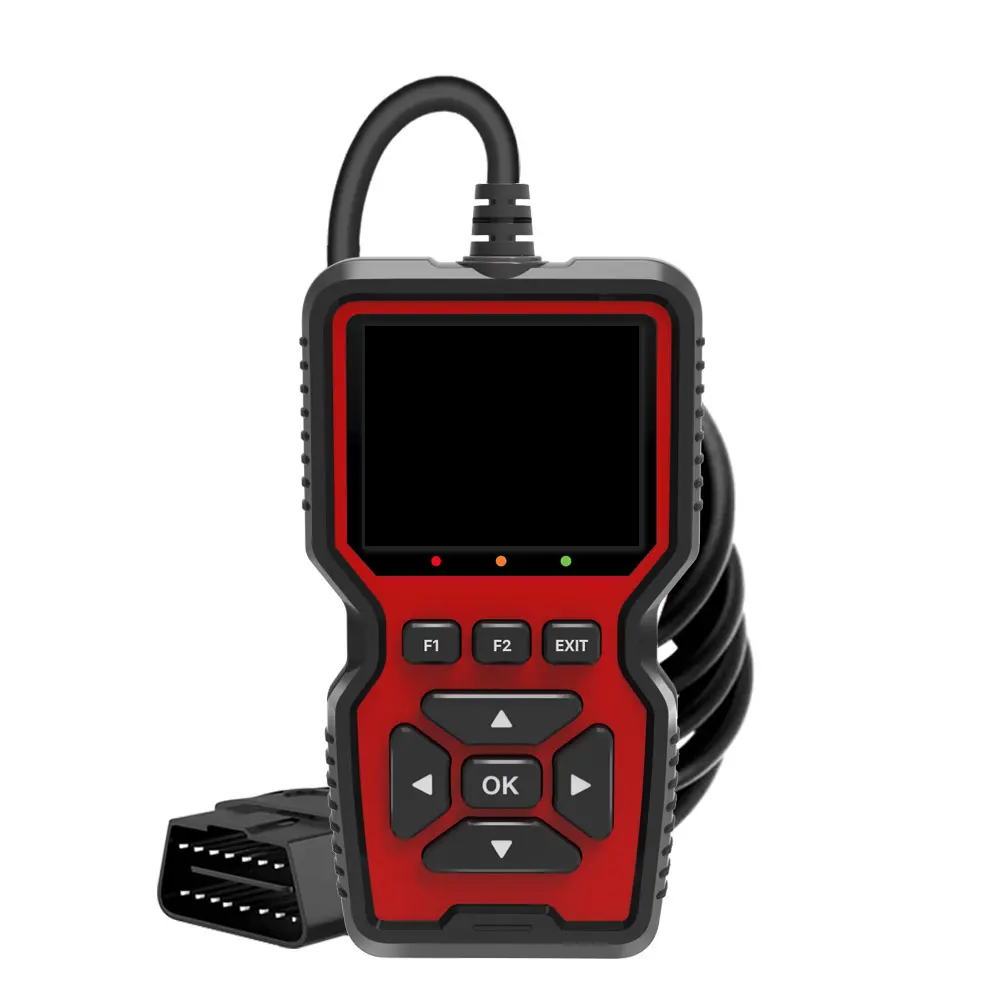
- Connect an advanced OBD-II scan tool. Retrieve all stored DTCs, pending codes, and freeze frame data. Freeze frame data can provide valuable insights into engine operating conditions when the code was set.
- Utilize the scan tool’s bi-directional control function (if available) to command the EGR valve open and closed. Listen for an audible click or observe for engine idle quality changes if the valve is functioning. If the valve fails to respond or the scan tool reports a circuit error, this points to an electrical issue.
- Monitor live data parameters related to the EGR system, such as EGR duty cycle, EGR position sensor feedback (if equipped), and engine RPM, to ensure consistency.
- Digital Multimeter (DMM) Testing:
- EGR Valve Resistance Test: Disconnect the EGR valve electrical connector. Using a DMM, measure the resistance across the solenoid or motor terminals of the EGR valve itself. Consult service information for the specific resistance specifications. An open circuit (OL or infinite resistance) or a short circuit (0 ohms or very low resistance) indicates an internal fault within the EGR valve.
- Voltage Supply Test: With the ignition ON (engine OFF), check for reference voltage (typically 5V or 12V, depending on design) at the EGR valve connector pins from the PCM. Also, verify a good ground connection at the appropriate pin.
- Continuity Test (Wiring Harness): Disconnect both the EGR valve and the PCM connectors. Using the DMM in continuity mode, check for continuity of each wire from the EGR valve connector to its corresponding pin at the PCM connector. An open circuit indicates a break in the wiring.
- Short to Ground/Voltage Test (Wiring Harness): With both connectors disconnected, check for shorts to ground on each wire in the EGR harness by probing the wire terminal and a known good ground. Check for shorts to voltage by probing the wire terminal with the ignition ON (but PCM still disconnected).
- Vacuum Test (for vacuum-controlled EGR valves with electronic solenoids):
- If the system uses a vacuum-operated EGR valve controlled by an electronic solenoid, test the solenoid’s electrical circuit as above. Additionally, confirm the solenoid can hold and release vacuum using a hand-held vacuum pump, and that the vacuum line to the EGR valve is intact and free of leaks.
- PCM Diagnosis: If all wiring, connectors, and the EGR valve itself test good, the PCM itself may be faulty. This should only be considered after exhaustive testing of all other components, as PCM replacement is costly and requires reprogramming.
Recommended Repairs and Solutions
Based on the diagnostic findings, the most common repairs for P0403 include:
- Replace Faulty EGR Valve: If internal resistance tests of the EGR valve solenoid or motor indicate an open or short circuit, the entire EGR valve assembly typically needs to be replaced. Ensure the replacement part is an OEM equivalent or a high-quality aftermarket unit.
- Repair or Replace Damaged Wiring/Connectors: If the wiring harness or electrical connectors are found to be damaged, corroded, or have poor terminal tension, repair or replace the affected sections. Use heat-shrink solder connectors for durable, weatherproof repairs. If corrosion is significant, consider replacing the entire connector.
- Clean Carbon Buildup: While less common for a circuit code, if carbon buildup is suspected to have contributed to the failure (e.g., by straining an internal motor), thoroughly clean the EGR passages and the intake manifold port. Use a suitable carbon cleaner and brushes.
- PCM Replacement/Reprogramming: If all other diagnostic steps confirm a PCM internal fault, replace and properly program the new PCM according to manufacturer specifications. This is a last resort repair.
- Clear DTCs and Verify Repair: After any repair, clear the DTCs using a scan tool. Perform a comprehensive drive cycle under various conditions to allow the ECM to re-run all system monitors and confirm the repair. Monitor EGR live data to ensure normal operation.