What Does Code P0018 Mean?
DTC P0018 signifies a discrepancy in the correlation between the crankshaft position (CKP) sensor and the camshaft position (CMP) sensor for Bank 2, Sensor A. The Engine Control Module (ECM), also commonly referred to as the Powertrain Control Module (PCM), continuously monitors the rotational speed and position of both the crankshaft and camshafts to precisely control ignition timing, fuel injection events, and variable valve timing (VVT) or variable camshaft timing (VCT) systems. The CKP sensor provides the primary signal for engine RPM and piston position, while the CMP sensors provide feedback on the camshaft’s angular position relative to the crankshaft, allowing the ECM to determine which cylinders are approaching their compression or exhaust strokes and to adjust valve timing. Code P0018 is set when the ECM detects that the phase relationship between the CKP signal and the CMP signal for Bank 2, Sensor A, deviates from its programmed specifications by a significant amount. This indicates that the camshaft on Bank 2, specifically the camshaft monitored by Sensor A (typically the intake camshaft for that bank), is not correctly synchronized with the crankshaft. This often points to a mechanical timing issue or a fault within the VVT/VCT system affecting that specific camshaft, rather than a simple sensor circuit fault (which would typically trigger a P03xx sensor-specific code).
Common Symptoms
- Illuminated Check Engine Light (CEL)
- Reduced engine performance, including sluggish acceleration or a noticeable loss of power
- Rough idle or engine stumbling
- Increased fuel consumption
- Difficulty starting the engine or a prolonged crank time
- Engine misfires, potentially leading to related P030x codes
- Engine noise, such as a rattling or ticking sound from the timing chain/belt area
What Causes the Code P0018?
- Stretched timing chain or worn timing belt, leading to incorrect camshaft-to-crankshaft synchronization
- Faulty Camshaft Position (CMP) sensor for Bank 2, Sensor A, providing an erratic or incorrect signal
- Malfunctioning Variable Valve Timing (VVT) or Variable Camshaft Timing (VCT) actuator (phaser/sprocket) on Bank 2, Sensor A
- Clogged or faulty VVT/VCT oil control valve (OCV) or solenoid for Bank 2, Sensor A, preventing proper oil flow to the phaser
- Low engine oil level or incorrect oil viscosity, which is critical for VVT/VCT system operation
- Damaged, corroded, or loose wiring and connectors affecting the CMP (Bank 2, Sensor A) or the VVT/VCT solenoid circuits
- Incorrect timing chain/belt installation following a previous repair
- Internal engine damage affecting camshaft or crankshaft rotation (e.g., worn bearings, damaged journals – less common but possible)
- Faulty Crankshaft Position (CKP) sensor, although less common for correlation codes specifically
- Failed Engine Control Module (ECM/PCM) (rare)
How to Diagnose and Troubleshoot
Diagnosing P0018 requires a methodical approach, often involving a scan tool, digital multimeter (DMM), and potentially an oscilloscope:
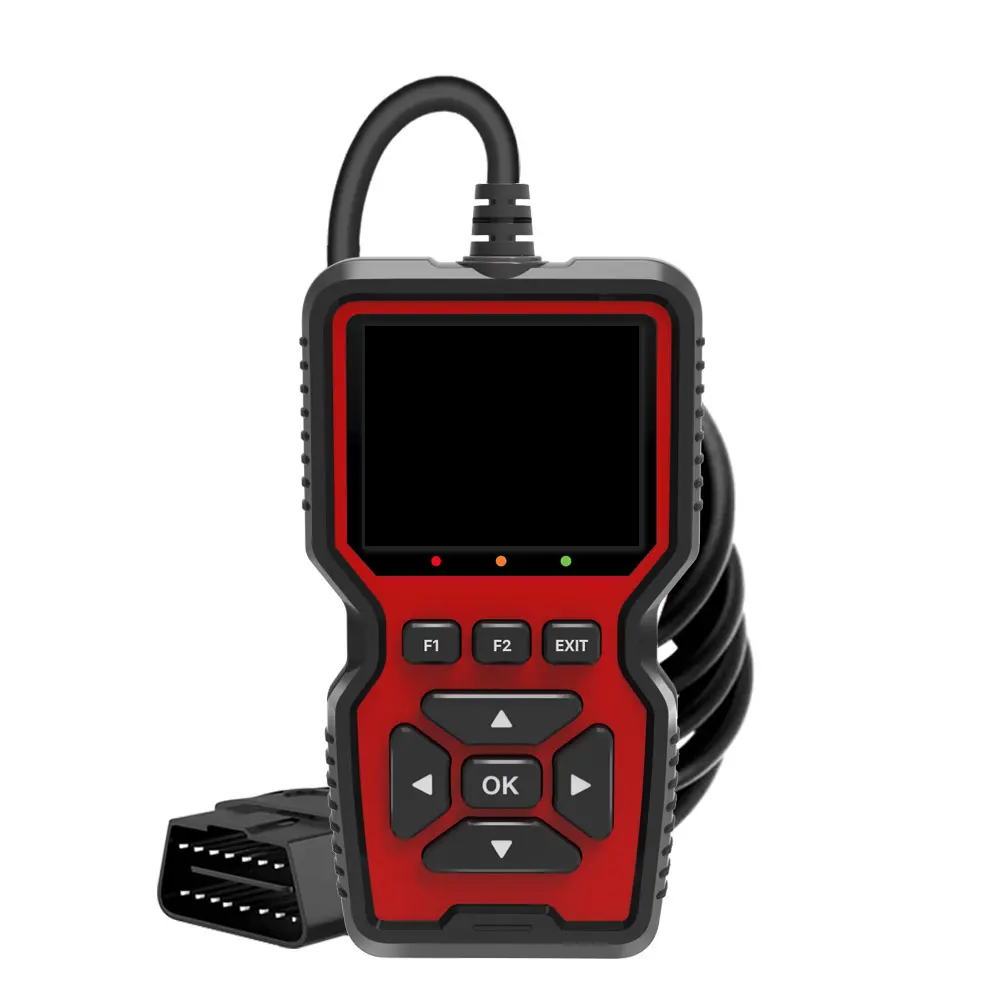
- Initial Scan Tool Analysis: Connect an OBD-II scan tool to confirm P0018. Crucially, check for any accompanying DTCs (e.g., misfires, other VVT/VCT codes, CKP/CMP circuit codes) that may provide additional clues. Analyze freeze frame data to understand the engine operating conditions (RPM, load, coolant temp) when the code was set.
- Visual Inspection: Begin by visually inspecting the wiring harnesses and electrical connectors for the CMP sensor (Bank 2, Sensor A), the CKP sensor, and the VVT/VCT solenoid for Bank 2, Sensor A. Look for signs of chafing, corrosion, loose connections, or physical damage. Verify the engine oil level and condition; low or contaminated oil can directly impact VVT system functionality.
- Live Data Analysis (Scan Tool):
- Monitor live data PIDs for CMP (Bank 2, Sensor A) and CKP sensor readings. Look for erratic fluctuations or inconsistencies in the RPM signals from either sensor.
- Observe VVT/VCT desired vs. actual camshaft positions for Bank 2, Sensor A. If there’s a significant and consistent difference, it points to a problem with the VVT actuator, solenoid, or mechanical timing.
- Monitor engine oil pressure PIDs if available, or manually check oil pressure with a gauge, as inadequate pressure will prevent VVT operation.
- Component Testing (DMM & Oscilloscope):
- CMP & CKP Sensor Signal Integrity: The most effective way to test sensor correlation is with an oscilloscope. Connect to the signal wires of the CKP and CMP (Bank 2, Sensor A) sensors. Observe their waveform patterns and phase relationship. Compare the captured waveforms to manufacturer specifications; an incorrect phase relationship or distorted waveforms from either sensor indicates a problem.
- VVT/VCT Solenoid/OCV Testing:
- With a DMM, check the resistance of the VVT/VCT solenoid for Bank 2, Sensor A. Compare the reading to factory specifications. An open or short circuit indicates a faulty solenoid.
- If accessible, apply fused battery voltage (and ground) to the solenoid terminals to check for an audible click, indicating mechanical operation.
- Using a bi-directional scan tool, command the VVT/VCT solenoid ON and OFF while monitoring camshaft angle PIDs. A properly functioning system should show a change in actual camshaft angle.
- Mechanical Timing Inspection: If sensors and VVT components test good and correlation remains poor, mechanical timing is the primary suspect. This often requires significant disassembly (e.g., removal of valve covers, timing chain cover) to inspect the timing chain/belt for slack, wear, broken guides, or misaligned timing marks. Inspect the VVT phaser/sprocket for Bank 2, Sensor A for proper indexing and freedom of movement; sometimes the internal locking pin can fail.
Recommended Repairs and Solutions
The appropriate repair for P0018 depends directly on the root cause identified during diagnosis:
- Timing Chain/Belt Replacement: If a stretched timing chain, worn timing belt, or damaged tensioners/guides are identified, a complete timing chain or timing belt kit replacement is necessary. This is a critical repair requiring meticulous attention to timing mark alignment to ensure precise engine synchronization.
- Camshaft Position Sensor Replacement: If the CMP sensor for Bank 2, Sensor A is determined to be faulty (e.g., erratic signal, incorrect resistance), replace it with an OEM-quality sensor.
- VVT/VCT Solenoid (OCV) Replacement: If the VVT/VCT oil control valve for Bank 2, Sensor A is clogged or malfunctioning, replace it. It is often recommended to change the engine oil and filter after this repair to ensure proper oil flow and prevent future issues.
- VVT/VCT Actuator (Phaser) Replacement: If the VVT/VCT phaser on Bank 2, Sensor A is sticking or faulty, it will need to be replaced. This is a more involved repair, often requiring specialized tools for camshaft retention and phaser removal/installation.
- Engine Oil Service: If low or incorrect engine oil was identified, perform an oil and filter change using the manufacturer-specified viscosity and type. Emphasize regular oil changes to customers, especially for vehicles with VVT systems.
- Wiring/Connector Repair: Repair any damaged, corroded, or loose wiring and connectors identified during the visual inspection. Ensure all connections are secure and free of debris.
- Test Drive and Re-evaluation: After any repair, clear the DTCs and perform an extended test drive under various operating conditions (city, highway, idle). Monitor live data to confirm that camshaft and crankshaft correlation is within specifications and that the P0018 code does not return. Ensure all readiness monitors reset.