What Does Code P0019 Mean?
The OBD-II diagnostic trouble code P0019 signifies a “Crankshaft Position – Camshaft Position Correlation (Bank 2 Sensor B)” issue. This code indicates that the Engine Control Module (ECM) or Powertrain Control Module (PCM) has detected a discrepancy in the rotational correlation between the crankshaft and the exhaust camshaft on Bank 2. Bank 2 refers to the cylinder bank that does not contain cylinder #1, and Sensor B typically designates the exhaust camshaft position sensor for that bank. The ECM continuously monitors the phase relationship between the Crankshaft Position (CKP) sensor signal and each Camshaft Position (CMP) sensor signal. This precise correlation is critical for the Variable Valve Timing (VVT) or Variable Valve Lift (VVL) system, ensuring optimal valve overlap for combustion efficiency, emissions control, and engine performance. When the observed phase angle of the exhaust camshaft on Bank 2 deviates from the ECM’s programmed desired position by a calibrated threshold (usually several degrees) for a specified duration, the ECM registers P0019, indicating a timing misalignment or an inability of the VVT system to achieve or maintain the commanded camshaft position for the exhaust valves on Bank 2.
Common Symptoms
- Illumination of the Malfunction Indicator Lamp (MIL) on the dashboard.
- Rough idle or engine stumbling.
- Reduced engine power and acceleration.
- Increased fuel consumption.
- Engine misfires, potentially leading to additional misfire codes.
- Difficulty starting the engine, or extended crank times.
- Engine stalling, especially at low RPMs.
- Audible rattling or ticking noise from the engine’s timing chain area.
What Causes the Code P0019?
- Stretched timing chain or worn timing chain guides/tensioners on Bank 2.
- Faulty or failing Variable Valve Timing (VVT) actuator (cam phaser) for the exhaust camshaft on Bank 2.
- Insufficient or incorrect engine oil level or viscosity, critical for VVT system hydraulic operation.
- Clogged or faulty Oil Control Valve (OCV) / VVT solenoid for the exhaust camshaft on Bank 2.
- Sludge buildup within the engine’s oil passages, restricting oil flow to the VVT system components.
- Faulty Camshaft Position (CMP) sensor (Bank 2 Sensor B) providing erratic or incorrect readings.
- Damaged, frayed, or corroded wiring or connectors for the Bank 2 Sensor B CMP sensor or its associated OCV.
- Incorrect timing chain/belt installation following a repair.
- Internal engine damage affecting camshaft or crankshaft rotation (less common but possible).
How to Diagnose and Troubleshoot
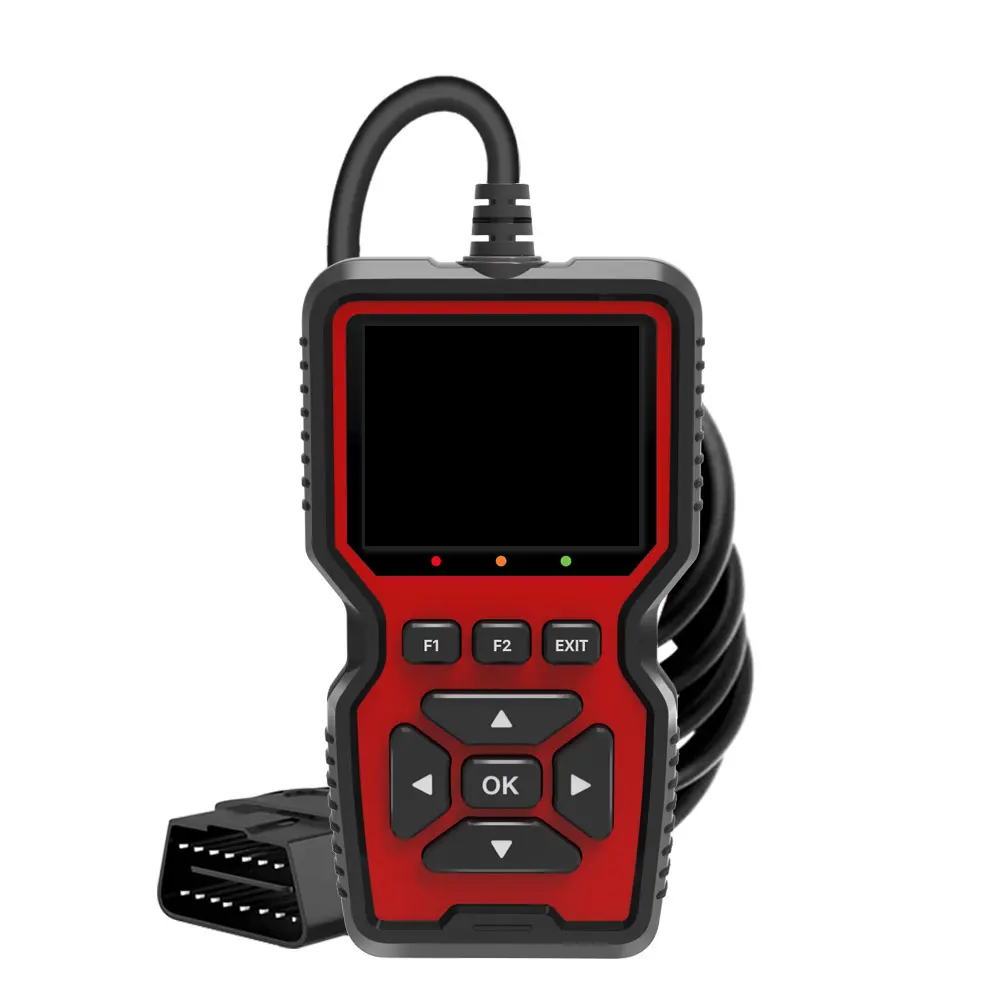
Diagnosing P0019 requires a systematic approach using specialized tools. Begin by connecting an OBD-II scanner to confirm the presence of P0019 and check for any other related or pending diagnostic trouble codes (DTCs) that could provide additional context. Access the live data stream to monitor the Crankshaft Position and Camshaft Position sensor readings (CKP and CMP Bank 2 Sensor B) along with commanded and actual VVT actuator positions. Look for significant discrepancies or erratic behavior. Next, perform a thorough visual inspection of the engine oil level and condition; ensure it meets manufacturer specifications. Inspect the wiring harness and connectors for the Bank 2 exhaust CMP sensor and its corresponding OCV for any signs of damage, corrosion, or loose connections. Using a digital multimeter (DMM), test the CMP sensor’s circuit for proper reference voltage (typically 5V or 12V), a good ground, and signal integrity (back-probing is often required). Similarly, test the OCV for Bank 2 exhaust: measure its internal resistance (should be within manufacturer specifications, typically 6-15 ohms) and verify proper power and ground supply. A functional test can be performed by carefully applying battery voltage to the OCV to check for an audible click, indicating solenoid operation. If electrical tests prove inconclusive, an oscilloscope or lab scope is highly recommended. Connect the scope to simultaneously monitor the CKP sensor waveform and the CMP sensor waveform for Bank 2 Sensor B. This will visually reveal any phase shift or signal irregularities, precisely quantifying the timing discrepancy. If the electrical components test good, and an oscilloscope confirms a timing offset, mechanical inspection of the timing components (timing chain, tensioners, guides, and VVT actuator) may be necessary, often requiring removal of the timing cover. A physical oil pressure test might also be warranted to rule out underlying lubrication issues impacting VVT operation.
Recommended Repairs and Solutions
Address the most common and easily verifiable issues first. Begin by changing the engine oil and filter, ensuring the use of the manufacturer-specified viscosity and quality of oil. Many VVT issues are directly related to oil pressure and contamination. If sludge is suspected, consider an appropriate engine oil flush. If the Oil Control Valve (OCV) for the Bank 2 exhaust cam tested faulty or is suspected to be clogged (which is common), replace it with a high-quality OEM or equivalent part. If the Camshaft Position Sensor (Bank 2 Sensor B) exhibited erratic behavior or failed electrical tests, replace it. Always use OEM or reputable aftermarket sensors for accurate readings. If visual inspection revealed damaged wiring or corroded connectors, repair or replace them using proper automotive wiring techniques.
If these preliminary steps do not resolve the issue, and especially if live data or an oscilloscope confirms a significant and uncorrectable timing deviation, or if engine noises like rattling are present, the problem likely lies within the mechanical timing components. This will necessitate the replacement of the timing chain, guides, tensioners, and potentially the VVT actuator (cam phaser) for the exhaust camshaft on Bank 2. This is a more involved repair requiring specialized tools and expertise. After any repair, clear the DTCs, perform a thorough road test, and monitor live data to ensure the P0019 code does not return and that the VVT system is operating within specification. Regular, diligent oil maintenance is crucial to prevent future VVT-related timing issues.