What Does Code P0087 Mean?
The OBD-II diagnostic trouble code P0087 signifies “Fuel Rail/System Pressure – Too Low.” This code is activated by the Powertrain Control Module (PCM), often referred to as the Engine Control Module (ECM), when it detects that the actual fuel pressure within the fuel rail or the overall fuel delivery system consistently falls below a predetermined minimum threshold or significantly deviates from the commanded target pressure. The PCM relies on feedback from the Fuel Rail Pressure (FRP) sensor, which typically outputs a voltage signal proportional to the measured pressure. For gasoline direct injection (GDI) systems, this deviation might be a consistent shortfall of several hundred to over a thousand PSI from the target pressure, which can range from 500 PSI at idle to over 3,000 PSI under load. For traditional port fuel injection systems, the threshold might be a deviation of 5-10 PSI below a typical 40-70 PSI operating range. The PCM monitors this pressure constantly and, if the low-pressure condition persists for a calibrated duration, it illuminates the Check Engine Light (CEL) and stores the P0087 code, indicating an inadequate fuel supply to the engine’s injectors. This issue directly affects the engine’s ability to maintain proper air-fuel mixture, leading to various performance degradation issues.
Common Symptoms
- Engine cranks but fails to start or experiences extended cranking times.
- Noticeable reduction in engine power and acceleration, often described as a lack of throttle response.
- Rough idling, engine misfires, or stalling, particularly under acceleration or heavy load.
- Illumination of the Check Engine Light (CEL) on the dashboard.
- Vehicle entering “limp mode,” where the PCM intentionally limits engine power and RPM to prevent damage.
- Unusual noises from the fuel pump area (e.g., whining or groaning) indicating a struggling pump.
What Causes the Code P0087?
- Failing Low-Pressure Fuel Pump (LPFP): A weak, worn, or clogged in-tank fuel pump unable to deliver sufficient fuel volume or pressure to the high-pressure fuel pump (for GDI systems) or directly to the fuel rail (for port-injected systems).
- Clogged Fuel Filter: A severely restricted fuel filter impeding the flow of fuel, leading to a pressure drop downstream.
- Malfunctioning High-Pressure Fuel Pump (HPFP) (GDI Engines Only): Internal wear, a compromised diaphragm, or a mechanical failure within the HPFP preventing it from adequately pressurizing the fuel rail to GDI-level pressures. This could also be due to a worn camshaft lobe or HPFP follower.
- Faulty Fuel Rail Pressure (FRP) Sensor: An inaccurate or failed FRP sensor providing incorrect low-pressure readings to the PCM, even if actual pressure is adequate.
- Defective Fuel Pressure Regulator (FPR): A fuel pressure regulator that is stuck open, leaking, or unable to maintain the specified system pressure. (Note: In many modern systems, FPR functionality is integrated into the fuel pump module or directly controlled by the PCM).
- Fuel Line Restriction or Leak: Kinked, collapsed, severely corroded, or damaged fuel lines causing an obstruction or external fuel leaks bleeding off system pressure.
- Electrical Circuit Issues: Damaged, corroded, or open/shorted wiring or connectors related to the fuel pump, FRP sensor, or HPFP, preventing proper operation or accurate signal transmission.
- Faulty Fuel Pump Relay: A malfunctioning relay preventing consistent power supply to the low-pressure fuel pump.
How to Diagnose and Troubleshoot
Diagnosing P0087 requires a methodical approach, utilizing both specialized equipment and visual inspection:
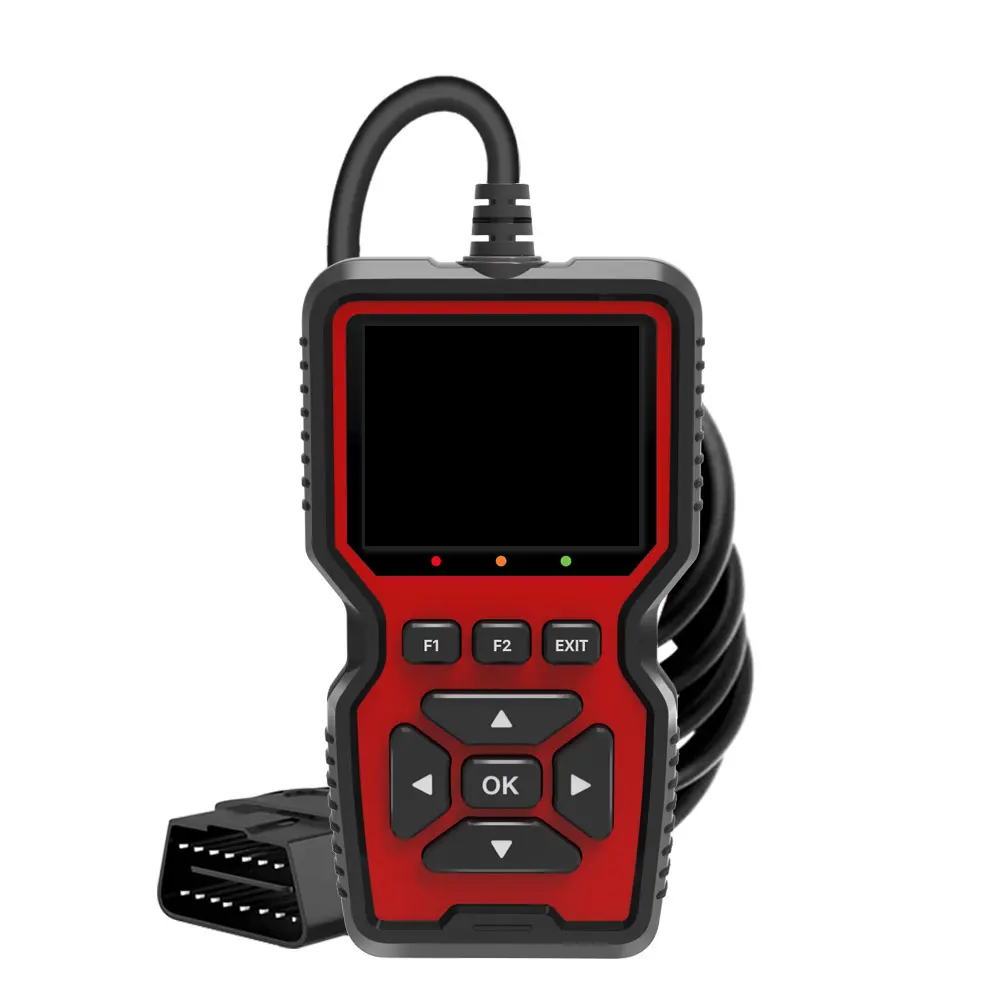
- OBD-II Scanner Live Data Analysis: Connect a professional-grade diagnostic scanner capable of displaying live data PIDs. Access the “Fuel Rail Pressure” (FRP) or “Fuel Pressure Sensor” (FPS) readings. Compare the actual measured pressure to the PCM’s “Commanded Fuel Pressure” or manufacturer specifications during Key On Engine Off (KOEO), cranking, idle, and under varying engine loads. A consistent and significant discrepancy (actual < commanded) points to a genuine pressure issue. Also, check for any related fuel system codes (e.g., P0190, P0191 for FRP sensor circuit issues).
- Visual Inspection of Fuel System Components: Carefully inspect the entire fuel delivery system. Check all visible fuel lines for kinks, crushing, corrosion, or signs of fuel leakage. Examine electrical connectors at the fuel pump module, FRP sensor, and HPFP (if applicable) for corrosion, damage, or loose connections. Listen for the characteristic hum of the low-pressure fuel pump priming when the ignition is turned to the ON position.
- Manual Fuel System Pressure Test:
- Low-Pressure Side (Pre-HPFP/Port Injection): Safely connect a mechanical fuel pressure gauge to the dedicated test port on the fuel rail or inline between the fuel filter and the rail. Compare the measured pressure to manufacturer specifications. For port-injected systems, expect 40-70 PSI; for GDI low-pressure sides, expect 60-90 PSI. A reading significantly below specification confirms a low-pressure supply issue from the tank.
- High-Pressure Side (GDI Only): This test requires specialized high-pressure gauges (rated for 3,000+ PSI) and extreme caution. It’s often safer to infer HPFP performance from the FRP sensor readings if the sensor has been verified accurate and the low-pressure side is confirmed good.
- Fuel Pump Current Draw Test: Using a Digital Multimeter (DMM) with an inductive amp clamp, measure the current draw of the low-pressure fuel pump. Compare the reading to the manufacturer’s specifications. High current draw can indicate a failing pump (working too hard), while low or no current draw suggests an electrical supply issue or a seized pump.
- Fuel Rail Pressure Sensor (FRP) Verification:
- Voltage Check: With the ignition KOEO, backprobe the FRP sensor’s signal wire while monitoring its voltage output with a DMM. Compare this voltage to the manufacturer’s specified voltage-to-pressure conversion chart. Typically, 0.5V might correspond to minimum pressure and 4.5V to maximum.
- Correlation with Manual Gauge: If a mechanical fuel pressure gauge is installed and shows a significantly different reading than the scanner’s FRP PID, suspect the FRP sensor or its associated wiring.
- Fuel Pump Relay and Circuit Integrity Test: Using a DMM, test the fuel pump relay for proper operation (continuity, coil resistance, switching ability). Check for proper voltage supply and ground continuity at the fuel pump connector. Look for excessive voltage drop across the circuit under load.
- High-Pressure Fuel Pump (HPFP) Specific Checks (GDI): If the low-pressure fuel supply is confirmed good and stable, and the vehicle is equipped with GDI, the HPFP is a primary suspect. Inspect the HPFP for any external fuel leaks. If the HPFP is camshaft-driven, inspect the camshaft lobe and the HPFP follower for any signs of excessive wear or damage.
Recommended Repairs and Solutions
Once the diagnostic procedure has pinpointed the root cause of P0087, the following repairs are typically recommended:
- Replace Clogged Fuel Filter: If diagnostics indicate a restricted fuel filter, replacement is a straightforward and often cost-effective solution. Always ensure the new filter is installed in the correct direction of fuel flow.
- Replace Low-Pressure Fuel Pump (LPFP): If the LPFP is found to be weak, failing, or exhibiting incorrect current draw, replacement of the entire fuel pump module is usually necessary. Ensure all associated seals and O-rings are replaced during installation to prevent leaks.
- Replace High-Pressure Fuel Pump (HPFP): For GDI systems, if the LPFP is confirmed functional and the HPFP is failing to build or maintain adequate rail pressure, replacement of the HPFP is required. It is critical to also replace the HPFP cam follower and inspect the camshaft lobe for wear, as a worn follower can rapidly damage a new HPFP.
- Replace Fuel Rail Pressure Sensor (FRP/FPS): If diagnostic steps indicate the FRP sensor itself is faulty or providing inaccurate readings, replace it with a new OEM or high-quality aftermarket sensor.
- Repair Wiring and Connectors: Address any corroded, damaged, or open/shorted circuits leading to the fuel pump, FRP sensor, or HPFP. Utilize proper electrical repair techniques, including soldering and heat-shrink tubing, to ensure durable and reliable connections.
- Repair Fuel Leaks or Restrictions: Replace any compromised fuel lines, O-rings, or fittings that are causing fuel leaks. Remove any detected physical restrictions in the fuel lines.
- Replace Fuel Pressure Regulator (FPR): If the FPR is a separate, serviceable component and has been diagnosed as faulty, replace it according to manufacturer specifications.
Important Mechanics’ Tips:
- Safety First: Always depressurize the fuel system according to the vehicle manufacturer’s service procedures before disconnecting any fuel lines or components. Fuel systems operate under pressure and contain highly flammable fuel. Wear appropriate Personal Protective Equipment (PPE), including safety glasses and gloves.
- Component Quality: When replacing critical fuel system components like pumps and sensors, prioritize OEM or high-quality aftermarket parts. Substandard components can lead to premature failure or incorrect operation, triggering the code again.
- Post-Repair Verification: After completing any repairs, clear all stored DTCs. Start the engine and thoroughly test drive the vehicle under various operating conditions. Monitor live fuel pressure data with your scanner to confirm that actual fuel pressure remains within the specified range and that the P0087 code does not return.
- Fuel Quality: Consider the possibility of contaminated or poor-quality fuel, which can damage fuel pumps and clog filters over time. In rare cases, a weak battery preventing the fuel pump from reaching optimal speed during cranking can also contribute to temporary low-pressure conditions.