What Does Code P0088 Mean?
DTC P0088 signifies that the Engine Control Module (ECM) or Powertrain Control Module (PCM) has detected an excessive fuel pressure condition within the high-pressure fuel rail. This code is most commonly associated with Gasoline Direct Injection (GDI) and common rail diesel (CRD) systems, which operate at significantly higher fuel pressures (typically 500-2,000+ psi for GDI, and much higher for diesel) compared to traditional port-injected systems. The ECM continuously monitors the actual fuel rail pressure via the Fuel Rail Pressure (FRP) sensor and compares it to a desired or commanded pressure value. When the actual pressure consistently exceeds the desired pressure by a predetermined threshold, or when it reaches an absolute maximum limit for a specified duration, the ECM will register P0088 and illuminate the Malfunction Indicator Lamp (MIL). This over-pressurization can lead to an overly rich fuel mixture, inefficient combustion, potential damage to fuel injectors, and compromised engine performance.
Common Symptoms
- Check Engine Light (CEL) Illumination: The primary and most immediate indicator.
- Rough Idling or Stalling: Due to an excessively rich fuel mixture causing misfires.
- Reduced Engine Performance: The ECM may enter ‘limp home’ mode, or the rich condition can hinder proper combustion, leading to a noticeable lack of power and acceleration.
- Engine Hesitation or Misfires: Over-pressurization can disrupt the precise spray pattern of fuel injectors, leading to incomplete combustion.
- Increased Fuel Consumption: Though the ECM attempts to compensate, a persistently rich condition can lead to higher fuel usage.
- Black Smoke from Exhaust: A direct result of an overly rich air/fuel mixture, particularly noticeable in diesel applications.
- Fuel Odor: In rare cases, extreme over-pressurization might lead to slight fuel leaks around seals or injectors, producing a fuel smell.
What Causes the Code P0088?
- Faulty Fuel Rail Pressure (FRP) Sensor: The sensor itself may be reporting an inaccurately high pressure reading to the ECM, even if the actual pressure is within specification. This is a common failure point.
- Stuck Open Fuel Pressure Regulator (FPR) / Fuel Pressure Control Valve: This valve, often located on the high-pressure fuel pump (HPFP) or the fuel rail, is responsible for relieving excess pressure. If it’s mechanically stuck in a closed or partially closed position (unable to open sufficiently), pressure will build excessively.
- Defective High-Pressure Fuel Pump (HPFP): An internal failure within the HPFP could cause it to continuously generate maximum pressure, or its integrated pressure control mechanism may fail, leading to over-pressurization.
- Wiring or Connector Issues: A short to voltage in the FRP sensor signal circuit can cause the ECM to interpret a falsely high pressure reading. Corrosion or poor connections can also interfere with proper signal transmission.
- Restricted Fuel Return Line: In some high-pressure systems with a return line, a blockage could prevent excess fuel from returning to the tank, leading to pressure buildup. (Less common in modern ‘returnless’ GDI systems.)
- ECM/PCM Failure: Although rare, an internal fault within the ECM could cause it to misinterpret FRP sensor data or incorrectly command the HPFP/FPR.
How to Diagnose and Troubleshoot
Diagnosing P0088 requires a systematic approach, focusing on verifying sensor readings and mechanical component operation:
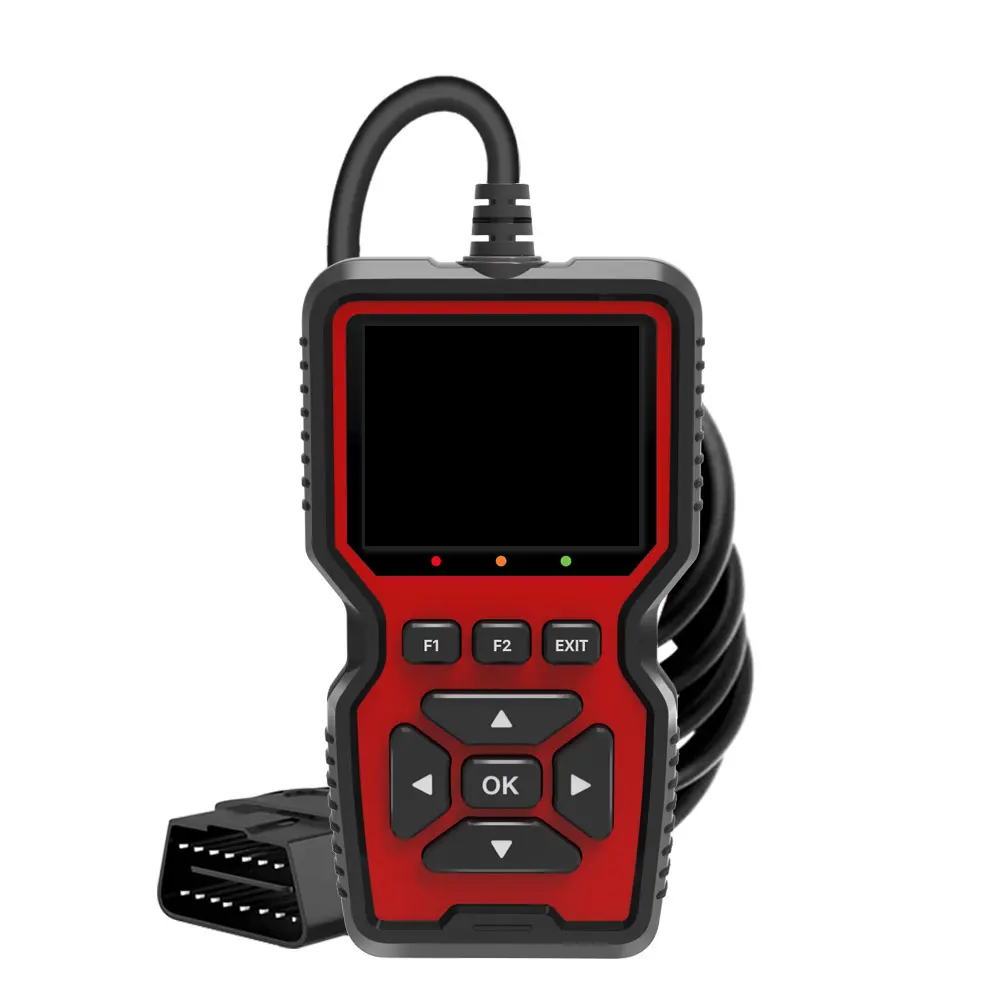
- OBD-II Scan Tool Data Analysis:
- Connect a professional-grade scan tool and retrieve any stored DTCs and freeze frame data.
- Monitor live data for the Fuel Rail Pressure (FRP) PID. Compare the actual FRP reading to the desired or commanded FRP at various engine speeds (idle, 2000 RPM, etc.) and loads. Look for a significant and consistent discrepancy where actual pressure is much higher than desired.
- Observe other related PIDs such as fuel trim (STFT, LTFT), engine RPM, manifold absolute pressure (MAP), and oxygen sensor readings to identify a rich condition.
- If available, command a fuel pressure test or relief function through the scan tool to observe if the system responds.
- Visual Inspection:
- Inspect the wiring harness and electrical connectors for the FRP sensor, High-Pressure Fuel Pump (HPFP), and Fuel Pressure Regulator (FPR). Look for signs of chafing, fraying, corrosion, or loose connections.
- Check for any physical damage to the fuel rail, fuel lines, or related components.
- Electrical Testing with a Digital Multimeter (DMM):
- FRP Sensor Circuit Test: With the ignition ON and engine OFF (KOEO), backprobe the FRP sensor connector. Verify the 5-volt reference voltage, ground signal, and the signal wire voltage. A short to voltage on the signal wire will artificially inflate the reading. Compare actual voltage readings to manufacturer specifications for known good pressure ranges (e.g., atmospheric pressure should yield a specific voltage).
- FPR / HPFP Control Circuit Test: If the FPR is a separate component or integrated into the HPFP with an external control solenoid, verify the voltage and ground signals at its connector. These are often Pulse Width Modulated (PWM) signals, requiring an oscilloscope for precise analysis of duty cycle. An improper command signal could lead to pressure issues.
- Mechanical Fuel Pressure Verification (Extreme Caution Required):
- If the vehicle manufacturer provides a safe port for a mechanical fuel pressure gauge, connect a specialized high-pressure fuel gauge to verify the actual fuel rail pressure. WARNING: High-pressure fuel systems operate at extremely dangerous pressures. Always wear appropriate Personal Protective Equipment (PPE) and follow strict manufacturer service procedures to avoid severe injury. Do not attempt this if you are not qualified or lack the proper tools. Compare the mechanical gauge reading with the FRP sensor reading displayed on the scan tool. A significant difference indicates a faulty FRP sensor.
- Component Isolation:
- If the FPR is externally mounted, carefully disconnect its electrical connector while monitoring fuel pressure (if safe to do so). Observe if the pressure drops. If it remains high, the regulator itself is likely stuck.
Recommended Repairs and Solutions
The resolution for P0088 typically involves replacing the faulty component identified during the diagnostic process:
- Replace Fuel Rail Pressure (FRP) Sensor: If electrical testing or mechanical verification confirms the sensor is providing inaccurate readings, it should be replaced. This is often the least invasive and most common repair.
- Replace Fuel Pressure Regulator (FPR) / Fuel Pressure Control Valve: If the regulator is determined to be stuck or not responding to ECM commands, it needs replacement. On many vehicles, this valve is an integral part of the high-pressure fuel pump or the fuel rail assembly, requiring replacement of the larger component.
- Replace High-Pressure Fuel Pump (HPFP): If the HPFP itself is over-pressurizing the system due to internal failure or a non-serviceable integrated regulator, it will need to be replaced. This is a more complex and costly repair.
- Repair Wiring and Connectors: Any identified shorts, open circuits, or corrosion in the FRP sensor or FPR/HPFP control wiring must be repaired or replaced to restore proper electrical continuity.
- ECM/PCM Replacement/Reprogramming: Only consider ECM replacement as a last resort, after all other components and wiring have been thoroughly tested and ruled out. Sometimes, a software update can address known issues.
Important Mechanics’ Tips:
- Always depressurize the high-pressure fuel system before disconnecting any fuel lines or components to prevent injury and fuel spray. Consult the vehicle-specific service manual for the correct procedure.
- When replacing fuel system components, always use new O-rings, seals, and gaskets to ensure a leak-free repair.
- After any repair involving fuel system components, clear the DTCs and perform an extended drive cycle to allow the ECM to re-learn fuel system parameters and confirm the fix.
- For GDI and common rail diesel systems, cleanliness is paramount. Even tiny particles of dirt can cause significant issues in high-pressure injectors or pumps.