What Does Code P0085 Mean?
DTC P0085 signifies an issue with the electrical circuit for the Exhaust Valve Control Solenoid on Bank 2. The Engine Control Module (ECM) or Powertrain Control Module (PCM) is designed to monitor the electrical characteristics, including voltage and current, of the various actuators it controls. In the context of P0085, the ECM has detected that the voltage signal or current draw in the control circuit for the Bank 2 exhaust valve control solenoid is continuously or intermittently below a pre-calibrated factory specified range. This “circuit low” condition typically suggests an open circuit within the solenoid coil itself, a short to ground in the associated wiring harness, excessive resistance within the circuit, or a problem with the ECM’s driver circuit for that component. The exhaust valve control solenoid, often referred to as an Oil Control Valve (OCV) or Variable Valve Timing (VVT) solenoid, is an electromechanical actuator responsible for precisely regulating engine oil pressure to the exhaust camshaft phaser. This modulation of oil pressure allows the camshaft phaser to advance or retard the exhaust valve timing, optimizing engine performance, fuel efficiency, and emissions across various operating conditions. When the circuit is low, the ECM cannot effectively command or determine the operational status of the solenoid, thereby preventing accurate adjustment of exhaust valve timing on Bank 2. Bank 2 refers to the cylinder bank that does not contain cylinder #1, a designation primarily used in V-configuration engines.
Common Symptoms
- Check Engine Light (CEL) illumination: The primary and most common indicator.
- Reduced engine performance: Manifesting as diminished horsepower, poor acceleration, or a general lack of responsiveness due to compromised valve timing.
- Rough idle or engine stalling: Incorrect valve timing can lead to unstable combustion at idle speeds.
- Increased fuel consumption: Inefficient combustion caused by non-optimal valve overlap and duration.
- Increased exhaust emissions: Due to inefficient combustion and lack of precise emissions control.
- Engine noise: In some cases, a ticking or rattling sound might be heard from the engine if the VVT system is operating incorrectly or if mechanical components are affected by prolonged electrical issues.
What Causes the Code P0085?
- Faulty Exhaust Valve Control Solenoid (Bank 2): The most common cause, involving an internal electrical short, open circuit, or excessive resistance within the solenoid coil itself.
- Wiring harness issues: Damaged, chafed, or corroded wiring leading to the Bank 2 exhaust VVT solenoid, resulting in an open circuit, short to ground, or high resistance.
- Poor electrical connection: Corroded, loose, or improperly seated connectors at the solenoid or the ECM/PCM.
- Blown fuse: Although less common for a “circuit low” specific to a control circuit, a fuse in the power supply line could lead to a lack of voltage.
- ECM/PCM failure: While rare, a defective driver circuit within the ECM/PCM responsible for controlling the Bank 2 exhaust VVT solenoid can trigger this code. This should be considered only after thoroughly ruling out all other possibilities.
How to Diagnose and Troubleshoot
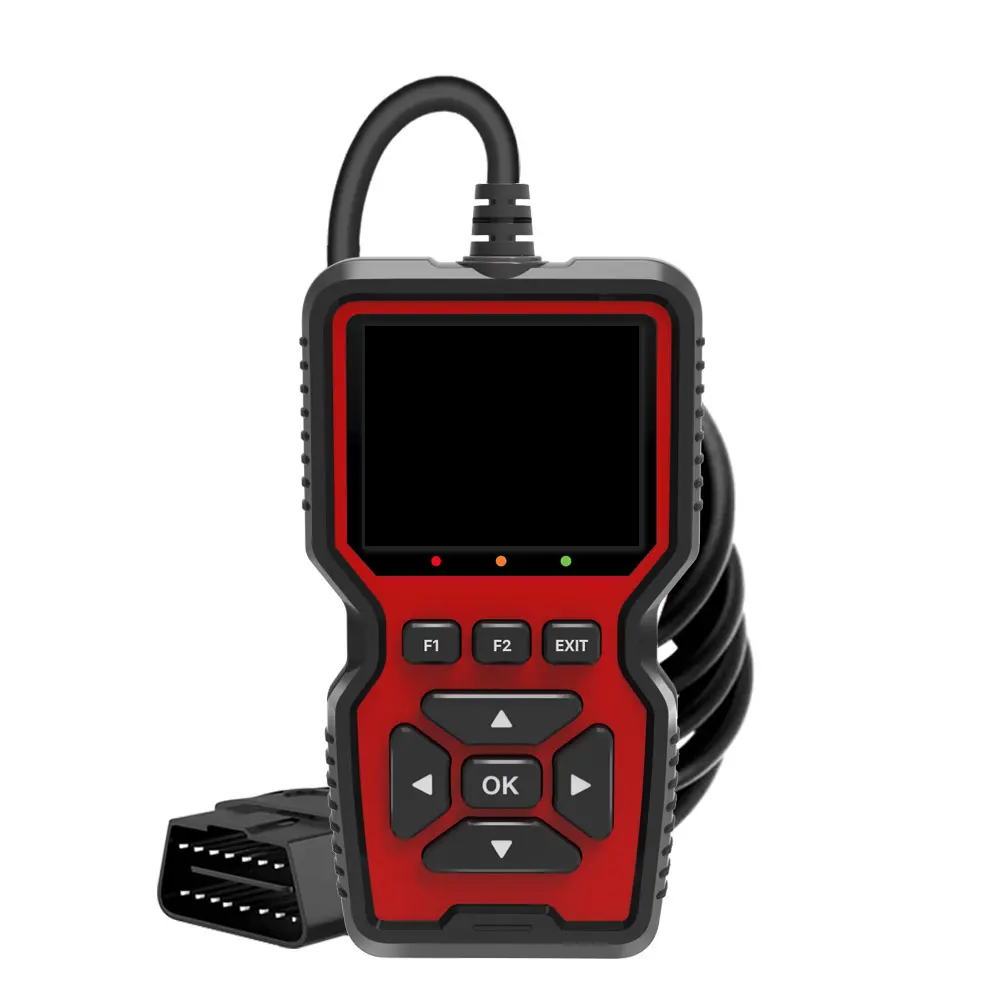
Diagnosis of P0085 requires systematic electrical troubleshooting. Always begin with a diagnostic scan to confirm the presence of P0085 and check for any related or pending codes, along with reviewing freeze frame data for insights into engine conditions when the fault occurred.
- Visual Inspection:
- Locate the exhaust valve control solenoid for Bank 2. Visually inspect its electrical connector and the entire wiring harness leading to it. Look for any signs of damage, fraying, pinch points, exposed wires, corrosion, or loose connections. Ensure the connector is securely seated.
- Inspect for any visible signs of oil leaks around the solenoid, as internal oil contamination can sometimes affect electrical integrity.
- Digital Multimeter (DMM) Checks:
- Solenoid Resistance Test: Disconnect the electrical connector from the Bank 2 exhaust VVT solenoid. Using a DMM set to ohms, measure the resistance across the two terminals of the solenoid itself. Compare this reading to the manufacturer’s specifications (typically found in a service manual, often ranging from 6-15 ohms). An “OL” (open circuit) reading or a resistance value significantly outside the specified range confirms an internal fault with the solenoid.
- Power Supply Check: With the ignition ON (engine OFF) and the solenoid connector still disconnected, use the DMM set to DC volts. Place the positive lead on the power supply wire terminal (refer to wiring diagram) and the negative lead on a known good ground. You should read battery voltage (approx. 12V). If no voltage is present, troubleshoot the power supply circuit (e.g., fuse, relay, wiring).
- Control Circuit Continuity/Short Check:
- Open Circuit Test: With both the solenoid and ECM connectors disconnected, use the DMM in continuity mode (or resistance). Test the continuity of the control wire from the solenoid connector to the corresponding pin at the ECM connector. Resistance should be very low (close to 0 ohms). An “OL” indicates an open circuit in the wiring.
- Short to Ground Test: With both connectors disconnected, test the resistance between the control wire terminal at the solenoid harness connector and a known good chassis ground. There should be infinite resistance (“OL”). Any low resistance reading indicates a short to ground.
- Short to Voltage Test: With both connectors disconnected, test the resistance between the control wire terminal and the battery positive terminal (or any constant 12V source if applicable). There should be infinite resistance.
- OBD-II Scanner Live Data and Bi-directional Control:
- If available, use an advanced scan tool capable of bi-directional control to command the Bank 2 exhaust VVT solenoid ON and OFF. While commanding, observe the voltage and current feedback if available. If the code persists and the solenoid does not respond (or if current draw is still outside parameters) after verifying wiring, it further points to the solenoid or ECM.
- Monitor live data parameters related to Bank 2 exhaust camshaft position to see if it shows erratic behavior or no movement when commanded, though for a “circuit low” code, the ECM typically cannot command it at all.
- Engine Oil Condition: Though P0085 is an electrical circuit code, it’s always good practice to verify proper engine oil level and condition. Extremely dirty or low oil can affect VVT system operation and potentially lead to secondary issues, even if not the direct cause of a circuit fault.
Recommended Repairs and Solutions
Based on the diagnostic findings, the appropriate repair typically involves replacing the faulty component or repairing the wiring.
- Replace the Exhaust Valve Control Solenoid (Bank 2): If DMM tests confirm an internal fault (open circuit, short, or incorrect resistance) within the solenoid itself, replace it. Always use a genuine OEM part or a high-quality aftermarket equivalent to ensure proper function and longevity. Lubricate the new solenoid’s O-rings with clean engine oil during installation.
- Repair or Replace Wiring Harness: If visual inspection or DMM tests reveal damaged, chafed, or corroded wiring, repair the specific section using appropriate automotive wiring repair techniques (solder and heat shrink) or replace the relevant segment of the wiring harness. Address any short to ground or open circuit conditions.
- Clean and Secure Electrical Connectors: If corrosion or a loose connection was identified, clean the terminals thoroughly with electrical contact cleaner and ensure the connector is securely seated and locked into place. In some cases, terminal tension may need to be restored.
- ECM/PCM Replacement: Only consider replacing the ECM/PCM as a final resort, and only if all other potential causes (solenoid, wiring, connectors) have been exhaustively tested and confirmed to be in perfect working order. ECM replacement typically requires programming to the vehicle.
- Perform Engine Oil Service: If the engine oil was found to be low or excessively dirty, perform an oil and filter change to ensure optimal VVT system performance. While not a direct fix for a circuit low, it’s critical for VVT health.
- Clear DTCs and Test Drive: After performing any repairs, clear the Diagnostic Trouble Codes using an OBD-II scanner. Then, perform an extended test drive under varying engine loads and RPMs to confirm that the repair is successful and the code does not return. Monitor live data for exhaust camshaft position and solenoid operation if available.