What Does Code P0422 Mean?
DTC P0422, which translates to “Main Catalyst Efficiency Below Threshold (Bank 1),” indicates that the Engine Control Module (ECM) or Powertrain Control Module (PCM) has detected that the primary catalytic converter on Bank 1 is not operating at peak efficiency. The catalytic converter’s function is to reduce harmful exhaust emissions by converting pollutants such as carbon monoxide (CO), unburnt hydrocarbons (HC), and nitrogen oxides (NOx) into less harmful substances like carbon dioxide (CO2), water (H2O), and nitrogen (N2). The ECM/PCM monitors the catalytic converter’s efficiency by comparing the oxygen sensor readings before (upstream O2S) and after (downstream O2S) the catalyst on Bank 1. A healthy catalytic converter will store oxygen and release it during the conversion process, resulting in a significantly less fluctuating and generally stable signal from the downstream O2S compared to the rapidly cycling signal from the upstream O2S. When the downstream O2S signal begins to mirror the upstream O2S signal too closely, it signifies that the catalyst has lost its ability to effectively store oxygen and perform its conversion duties, thus failing to meet the ECM’s calibrated efficiency threshold. “Bank 1” refers to the side of the engine that contains cylinder number one. For inline engines, there is typically only one bank.
Common Symptoms
- Malfunction Indicator Lamp (MIL) Illumination: The “Check Engine” light will illuminate on the dashboard, often as the primary and sole symptom.
- Failed Emissions Test: Due to increased tailpipe emissions, the vehicle will likely fail a state-mandated emissions inspection.
- Reduced Engine Performance (Less Common Directly): While P0422 itself doesn’t always directly cause driveability issues, a severely degraded or clogged catalytic converter can restrict exhaust flow, leading to noticeable power loss, sluggish acceleration, and reduced fuel economy.
- Sulfur or “Rotten Egg” Odor: A distinct sulfur smell emanating from the exhaust can indicate that the catalyst is no longer effectively converting hydrogen sulfide gases.
What Causes the Code P0422?
- Degraded or Failed Catalytic Converter: This is the most common cause. Over time, catalysts can lose efficiency due to thermal degradation, chemical poisoning (from fuel additives, oil, or coolant), or physical damage.
- Exhaust Leaks: Leaks in the exhaust system upstream of the catalytic converter or between the upstream and downstream oxygen sensors on Bank 1 can introduce unmetered air, leading to inaccurate O2 sensor readings and misinterpretation of catalyst efficiency by the ECM.
- Faulty Oxygen Sensor(s): A malfunctioning upstream or downstream oxygen sensor (O2S) on Bank 1 can provide incorrect data to the ECM. If the downstream O2S is reading incorrectly (e.g., slow response or biased voltage), it can falsely trigger P0422.
- Engine Misfires: Persistent or severe engine misfires allow unburnt fuel to enter the exhaust system. This raw fuel can ignite within the catalytic converter, causing extreme temperatures that melt or damage the catalyst substrate.
- Excessive Oil Consumption: Burning engine oil introduces contaminants into the exhaust stream, which can coat and foul the catalyst, reducing its effectiveness.
- Coolant Leaks into Exhaust: Antifreeze contains silicates that can coat the catalyst’s precious metal surfaces, leading to poisoning and reduced conversion efficiency.
- Fuel System Issues: Prolonged rich or lean fuel conditions (due to faulty injectors, fuel pressure regulator, or mass airflow sensor) can overwhelm or chemically damage the catalyst over time.
- PCM/ECM Failure: Although rare, a fault within the Engine Control Module itself could lead to misinterpretation of sensor data or incorrect catalyst monitoring, setting a false P0422 code.
How to Diagnose and Troubleshoot
Diagnosis of P0422 requires a methodical approach, primarily utilizing an OBD-II scanner with live data capabilities, visual inspection, and potentially specialized tools.
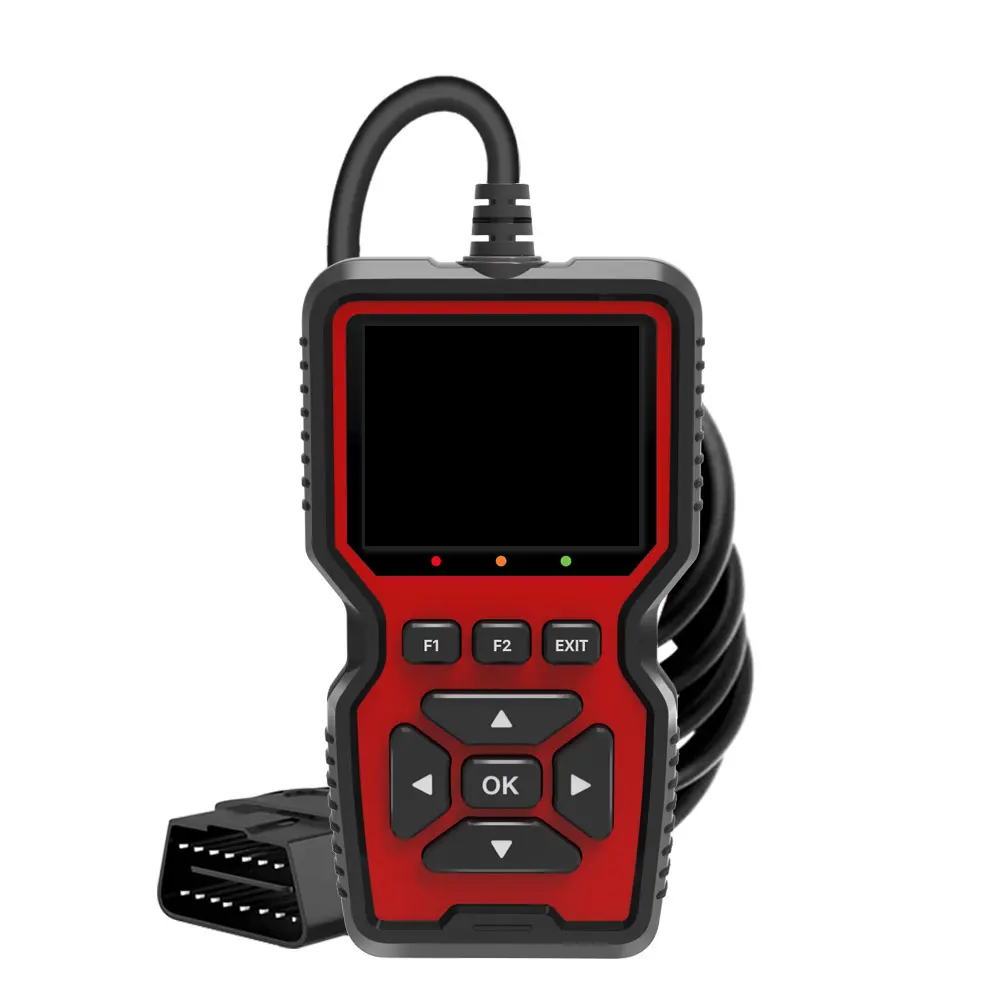
- Retrieve and Analyze DTCs: Connect an OBD-II scanner to verify the presence of P0422. Crucially, check for any other related codes, especially those pertaining to oxygen sensors (e.g., P013X, P014X), misfires (P030X), or fuel system issues (P0171, P0172). Addressing these root causes is paramount before condemning the catalyst.
- Live Data Stream Analysis:
- Monitor the live data stream for the upstream (Sensor 1, Bank 1) and downstream (Sensor 2, Bank 1) oxygen sensor voltages.
- The upstream O2S (pre-cat) should fluctuate rapidly and frequently between approximately 0.1V and 0.9V when the engine is at operating temperature and under varying load.
- The downstream O2S (post-cat) should ideally show a relatively stable voltage, typically around 0.45V, with minimal fluctuations. If the downstream O2S voltage mirrors the rapid fluctuations of the upstream O2S, it is a strong indication of an inefficient or failed catalytic converter.
- Observe short-term (STFT) and long-term (LTFT) fuel trims for Bank 1. Excessive positive or negative fuel trims can indicate underlying fuel delivery or air induction issues that could damage the catalyst.
- Check the operation of the O2 sensor heaters (if available in live data) to ensure they are activating and drawing appropriate current.
- Visual Inspection:
- Inspect the entire exhaust system on Bank 1 for any leaks, particularly before the catalytic converter and between the two O2 sensors. Listen for hissing sounds or look for black sooty stains.
- Examine the wiring harnesses and connectors for both the upstream and downstream O2 sensors for any signs of damage, chafing, corrosion, or poor connections.
- Check the physical condition of the catalytic converter for any dents, cracks, or signs of overheating.
- Look for evidence of engine oil or coolant leaks that could enter the exhaust stream.
- Catalytic Converter Temperature Test: Using an infrared thermometer, measure the temperature at the inlet and outlet of the catalytic converter on Bank 1. A healthy, functioning catalyst should exhibit an exhaust gas temperature at its outlet that is significantly higher (typically 100-200°F hotter) than its inlet temperature due to the exothermic chemical reactions occurring within. If the outlet temperature is similar to or lower than the inlet, the catalyst is likely inefficient or clogged.
- Exhaust Backpressure Test (If Suspected Clog): If restricted exhaust flow is suspected, remove the upstream oxygen sensor (Bank 1 Sensor 1) and install a pressure gauge. Run the engine at idle and then at 2500 RPM. Excessive backpressure (e.g., above 1.25 PSI at idle or 3 PSI at 2500 RPM) strongly indicates a clogged catalytic converter.
- O2 Sensor Performance Check (DMM): While live data is often sufficient, a digital multimeter (DMM) can be used to check O2 sensor heater resistance (ensure engine is off and cool) and basic voltage output if there’s suspicion of a faulty sensor not reflected in live data.
Recommended Repairs and Solutions
The primary focus for resolving P0422 is to accurately identify and rectify the underlying cause. Simply replacing the catalytic converter without addressing contributing factors will almost certainly lead to a recurrence of the code.
- Address Root Causes: Before considering catalytic converter replacement, rigorously diagnose and repair any pre-existing conditions that led to its degradation. This includes:
- Repairing engine misfires (e.g., replacing spark plugs, ignition coils, or faulty injectors).
- Fixing exhaust leaks by welding, replacing gaskets, or using appropriate repair components.
- Diagnosing and replacing faulty oxygen sensors that are providing incorrect readings.
- Resolving excessive oil or coolant consumption issues.
- Correcting persistent rich or lean fuel conditions.
- Replace Catalytic Converter: If, after thorough diagnosis, the catalytic converter is definitively determined to be inefficient or physically damaged, it must be replaced. Use a direct-fit OEM-equivalent or high-quality aftermarket catalytic converter to ensure proper fitment and emissions compliance. Ensure the new converter is designed for the specific vehicle application.
- Clear DTCs and Perform Drive Cycle: After any repairs, clear the Diagnostic Trouble Codes (DTCs) from the ECM. Then, perform a comprehensive drive cycle that includes various driving conditions (city, highway, idle) to allow the ECM to run its full set of diagnostic monitors, including the catalyst efficiency monitor. This will confirm the effectiveness of the repair.
- PCM/ECM Reprogramming or Replacement: In very rare instances where all other diagnostic avenues have been exhausted and a PCM/ECM fault is confirmed, the module may need to be reprogrammed or replaced. This should only be pursued after ruling out all other potential causes.