What Does Code P0433 Mean?
DTC P0433 signifies that the Powertrain Control Module (PCM), also referred to as the Engine Control Module (ECM), has detected that the efficiency of the Bank 2 catalytic converter has fallen below a predetermined operational threshold. The term “Heated Catalyst” generally refers to the catalyst’s ability to achieve and maintain optimal operating temperature for efficient pollutant conversion, or in some systems, a specific catalyst design with integrated heating elements. However, the core meaning of P0433 is a degradation in the catalytic converter’s ability to store oxygen and chemically convert harmful exhaust gases (hydrocarbons, carbon monoxide, nitrogen oxides) into less harmful substances (water, carbon dioxide, nitrogen).
The PCM monitors catalyst efficiency by comparing the signals from the upstream (pre-catalyst) oxygen sensor (O2S1) and the downstream (post-catalyst) oxygen sensor (O2S2) for Bank 2. O2S1 rapidly fluctuates as the fuel mixture cycles rich and lean, indicating active combustion. A healthy catalytic converter will store oxygen and effectively smooth out these fluctuations, causing O2S2 to display a relatively stable, high voltage (indicating a lean condition in the exhaust gases after conversion). If O2S2 begins to mirror the rapid fluctuations of O2S1, or if its voltage drops significantly and fluctuates more frequently, the PCM interprets this as a failure of the catalyst to adequately convert exhaust gases, triggering P0433. Bank 2 refers to the cylinder bank that does not contain cylinder #1, typically the passenger side on V-configuration engines in most vehicles.
Common Symptoms
- Malfunction Indicator Light (MIL) illumination: The “Check Engine” light will be illuminated on the dashboard.
- Reduced fuel economy: While not always a direct symptom, upstream issues contributing to catalyst failure (e.g., misfires, rich fuel mixture) can lead to decreased MPG.
- Decreased engine performance: If the catalytic converter is severely degraded or partially restricted, it can hinder exhaust flow, leading to a noticeable loss of power, sluggish acceleration, or a feeling of the engine being “bogged down.”
- Sulphur or “rotten egg” smell from exhaust: An overloaded or inefficient catalytic converter may fail to convert hydrogen sulfide gas, producing this distinct odor.
- Failure of emissions inspection: The vehicle will likely fail an emissions test due to elevated pollutant levels in the exhaust.
What Causes the Code P0433?
- Degraded or failed catalytic converter (Bank 2): This is the most direct cause. The catalyst material can degrade over time due to age, thermal cycling, or poisoning.
- Catalyst poisoning: Contaminants such as lead, silicone from sealants, sulfur (from fuel), manganese (from some octane boosters), or excessive oil/antifreeze entering the exhaust stream can coat the catalyst’s precious metals, rendering them inactive.
- Engine misfires: Unburnt fuel entering the catalytic converter from persistent misfires can cause severe overheating and irreversible damage to the catalyst substrate.
- Excessive oil consumption: Oil entering the combustion chamber burns and its byproducts can coat and poison the catalyst.
- Coolant leaks: Antifreeze entering the combustion chamber and subsequently the exhaust stream can poison the catalyst.
- Persistent rich or lean fuel conditions: Prolonged operation with an excessively rich mixture can overload and overheat the catalyst. An excessively lean mixture might prevent the catalyst from reaching optimal operating temperatures.
- Faulty upstream (O2S1) or downstream (O2S2) oxygen sensors (Bank 2): A malfunctioning O2S1 can provide incorrect data to the PCM, leading to incorrect fuel trims that damage the catalyst. A faulty O2S2 can give inaccurate readings, leading the PCM to falsely believe the catalyst is inefficient when it is not, or vice-versa.
- Exhaust leaks affecting O2 sensor readings: Leaks near the O2S1 or O2S2 on Bank 2 can introduce ambient air, skewing sensor readings and leading to false efficiency diagnoses.
How to Diagnose and Troubleshoot
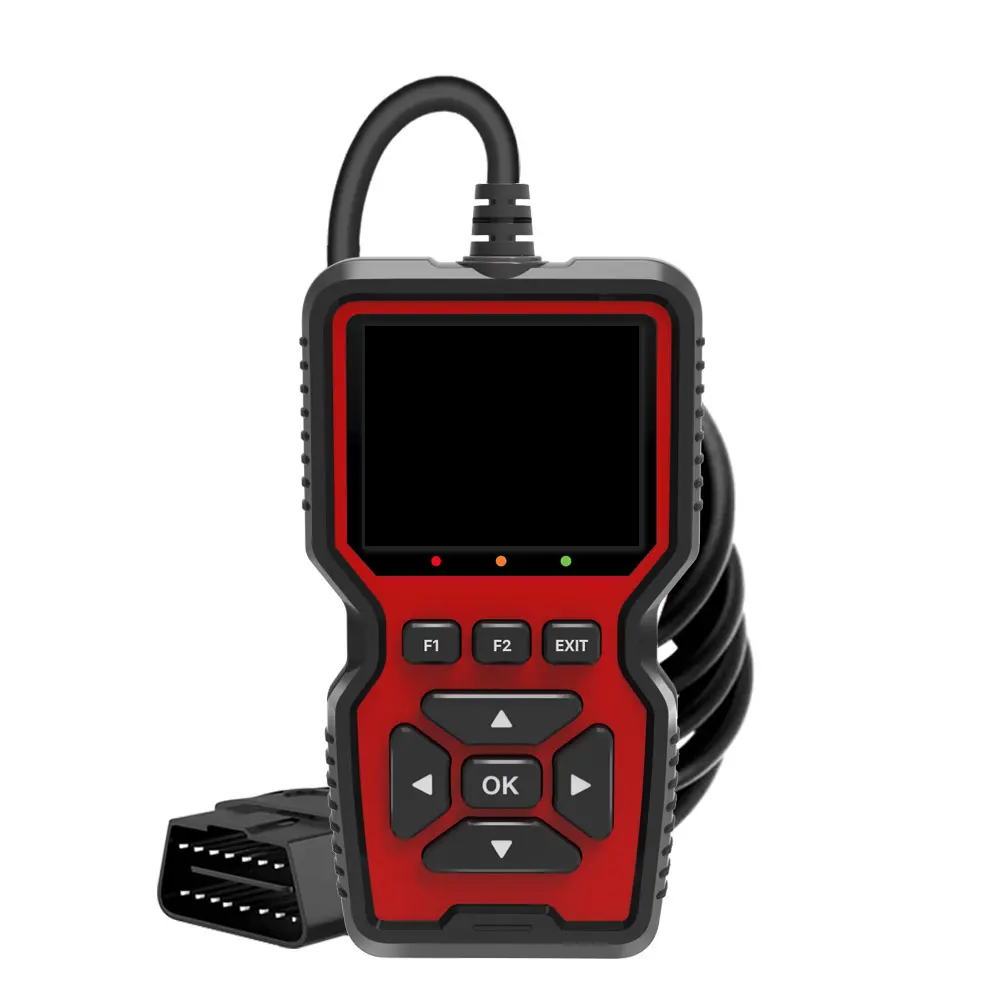
Diagnosis of P0433 requires a methodical approach, utilizing an advanced OBD-II scanner with live data capabilities and potentially a digital multimeter (DMM).
- Retrieve and Analyze Freeze Frame Data: Connect an OBD-II scanner to confirm P0433. Immediately review the freeze frame data. This data captures engine parameters (RPM, vehicle speed, engine load, fuel trims, coolant temperature) at the moment the DTC was set. This information can provide clues about the operating conditions that precipitated the code.
- Scan for Related DTCs: Check for any other active or pending DTCs. Misfire codes (P030x), oxygen sensor codes (P013x, P015x, P003x, P005x), or fuel trim codes (P0171, P0172, P0174, P0175) could indicate upstream issues that are directly causing catalyst degradation. Resolve these codes first if present.
- Live Data Stream Analysis (O2 Sensors Bank 2):
- Monitor O2S1 (upstream) Bank 2 voltage and short-term fuel trims (STFT). O2S1 voltage should oscillate rapidly and smoothly between approximately 0.1V (lean) and 0.9V (rich) once the engine is at operating temperature. STFT Bank 2 should fluctuate around 0%, indicating proper fuel control.
- Monitor O2S2 (downstream) Bank 2 voltage. With a healthy catalytic converter, O2S2 voltage should be relatively stable and ideally high (above 0.6V to 0.7V), indicating low oxygen content after conversion. If O2S2 voltage fluctuates significantly, mimicking O2S1, or consistently stays low, it confirms poor catalyst efficiency.
- If available, compare the Catalyst Monitor PIDs (e.g., Cat Temp, O2 Storage Capacity).
- Visual Inspection:
- Inspect the entire exhaust system for leaks, especially around the Bank 2 catalytic converter and both O2 sensors. Listen for hissing sounds.
- Examine the wiring harnesses and connectors for both Bank 2 O2 sensors for signs of damage, chafing, corrosion, or loose connections.
- Inspect the Bank 2 catalytic converter for physical damage, dents, or signs of overheating (discoloration).
- Check for engine issues: oil leaks, coolant leaks (white smoke from exhaust), or excessive exhaust smoke indicating internal engine problems.
- Backpressure Test (Optional, for suspected restriction): If there’s a concern about a restricted catalytic converter (though P0433 primarily relates to efficiency, not restriction), use an exhaust backpressure gauge. Measure pressure before the catalytic converter (by temporarily removing an O2 sensor) at idle and 2500 RPM. Excessive backpressure indicates a blockage.
- Oxygen Sensor Heater Circuit Check (DMM): If O2 sensor heater circuit codes accompany P0433, use a DMM to check the resistance of the heater element (usually 2-20 ohms, consult service manual) and verify voltage supply and ground to the heater circuit.
Recommended Repairs and Solutions
Addressing P0433 effectively requires identifying and resolving the root cause, not just replacing the catalytic converter.
- Address Upstream Engine Issues First: This is critical. If underlying engine problems such as persistent misfires, excessive oil consumption, coolant leaks, or severe rich/lean conditions are present, they must be repaired before replacing the catalytic converter. Failure to do so will inevitably lead to repeat catalyst failure.
- Repair engine misfires (spark plugs, coils, injectors).
- Address oil consumption issues (PCV system, valve stem seals, piston rings).
- Fix coolant leaks into the combustion chamber (head gasket, cracked cylinder head).
- Correct fuel system issues causing rich or lean conditions (fuel pressure regulator, injectors, MAF sensor, vacuum leaks).
- Replace Faulty Oxygen Sensors (If Confirmed): If diagnostic steps confirm a faulty Bank 2 upstream or downstream oxygen sensor is providing incorrect readings, replace it. Do not replace O2 sensors solely because P0433 is present if their live data readings are accurate.
- Repair Exhaust System Leaks: Any exhaust leaks affecting O2 sensor readings or catalyst performance must be repaired.
- Catalytic Converter Replacement (Bank 2): If all other potential causes have been thoroughly investigated and ruled out, and live data unequivocally indicates poor catalyst efficiency, replacement of the Bank 2 catalytic converter is necessary.
- Mechanic’s Tip: Always use a high-quality, OEM-grade or certified aftermarket catalytic converter. Inferior or generic “universal” catalysts may not meet efficiency standards and could lead to recurring P0433 codes or fail prematurely.
- Mechanic’s Tip: Ensure proper exhaust gasket sealing during installation to prevent new leaks.
- Clear Codes and Perform Drive Cycle: After repairs, clear the DTCs from the PCM. Perform an appropriate drive cycle as specified by the vehicle manufacturer to allow the PCM to re-run the catalyst monitor tests. Re-check live data to confirm proper O2 sensor operation and catalyst efficiency.