What Does Code B1343 Mean?
DTC B1343, which stands for “Heated Backlite Input Circuit Failure,” indicates that the vehicle’s Body Control Module (BCM) or a dedicated Rear Electronic Module (REM) has detected an anomaly in the electrical circuit responsible for supplying power to or monitoring the rear window defroster system. As a ‘B’ code, it signifies a body electrical fault rather than an engine or transmission powertrain issue. The BCM continuously monitors the voltage, current, or resistance within the heated backlite circuit. When an unexpected value is detected—such as an open circuit (no current flow when expected), a short to ground, a short to voltage, or an excessively high resistance—that falls outside predefined operational parameters, the BCM interprets this as a circuit failure and sets code B1343. This typically means the module is unable to properly activate or confirm the operation of the rear defroster element.
Common Symptoms
- Inoperative Heated Backlite: The primary and most obvious symptom is that the rear window defroster fails to heat up and clear condensation or ice.
- Defroster Indicator Light Malfunction: The dashboard indicator light for the rear defroster may not illuminate when the switch is pressed, or it may illuminate briefly and then turn off.
- Warning Light Illumination: In some vehicles, a general body electrical warning light or a specific message related to the defroster system may appear on the instrument cluster.
- No Audible Relay Click: If the system utilizes a dedicated relay, the characteristic ‘click’ indicating relay engagement may be absent when the defroster switch is activated.
What Causes the Code B1343?
- Damaged Heated Backlite Element: Fractured grid lines on the rear window glass, an internal short within the element, or a complete break in the conductive material.
- Wiring Harness Issues:
- Open circuit (break) in the power supply wire or ground wire leading to the heated backlite.
- Short circuit to ground in the power wire, often due to chafing against the vehicle body.
- Short circuit to voltage in the power wire, supplying constant power when not intended.
- Corroded, loose, or damaged terminals within connectors to the backlite or its associated relay/control module.
- Wiring fatigue or breakage, particularly common in the hinge area of rear hatchbacks or liftgates due to repeated flexing.
- Faulty Heated Backlite Relay: A sticking relay, an open relay coil, or corroded relay contacts preventing proper current flow to the element.
- Defective Heated Backlite Switch: The activation switch itself may have internal damage, preventing it from sending the correct signal to the BCM.
- Body Control Module (BCM) or Rear Electronic Module (REM) Failure: While less common, an internal fault within the BCM/REM’s driver circuit or monitoring logic for the heated backlite system can cause this code.
How to Diagnose and Troubleshoot
Diagnosis of B1343 requires systematic electrical testing and visual inspection:
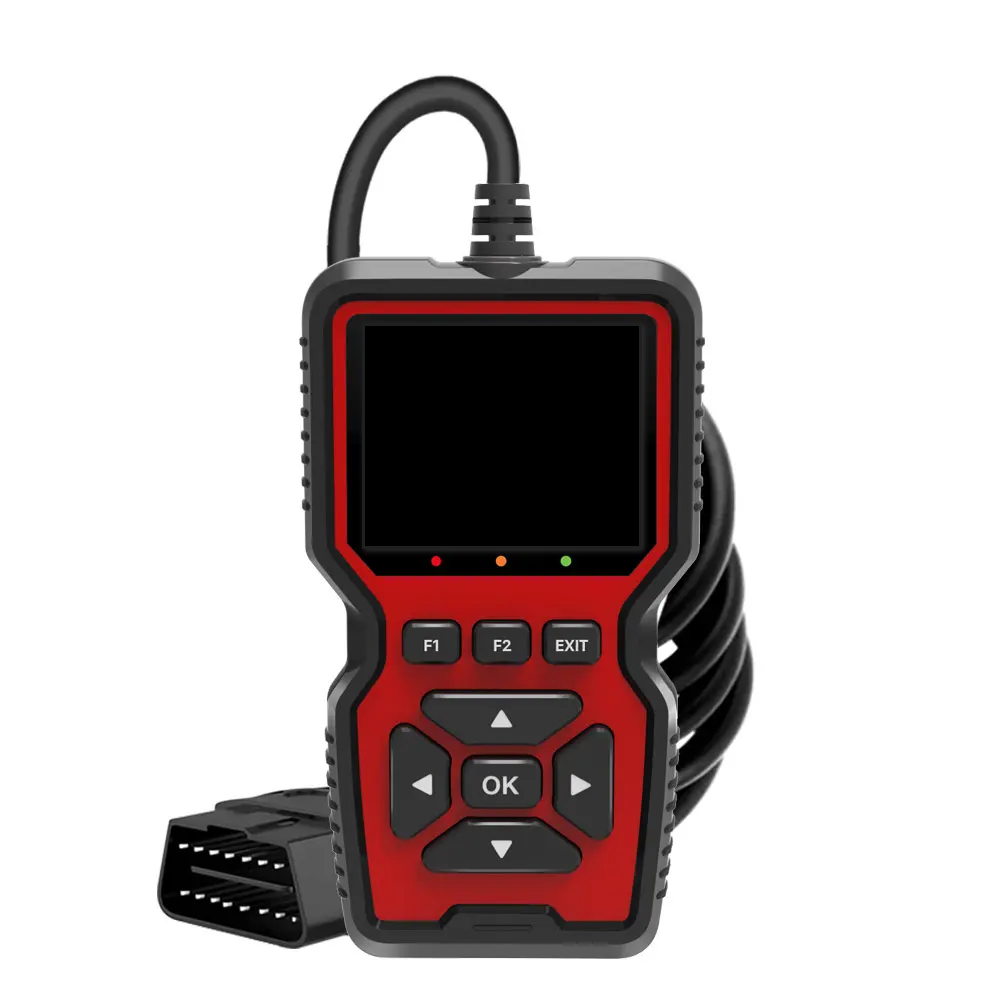
- Verify the Code and Review Freeze Frame Data: Connect an OBD-II scanner to confirm B1343 is present. Check for any related B-codes and examine freeze frame data to understand the conditions under which the fault occurred. If available, monitor BCM live data parameters related to the heated backlite switch input, relay status, and circuit current draw.
- Visual Inspection:
- Carefully inspect the heated backlite grid lines on the rear window for any visible breaks, scorch marks, or lifted sections.
- Locate and inspect the wiring harness leading to the heated backlite, paying close attention to areas prone to movement, such as hatch or trunk lid hinges. Look for chafing, cuts, signs of corrosion, or pinching.
- Examine the connectors at the heated backlite terminals, the relay (if applicable), and the BCM/REM for corrosion, bent pins, or loose connections.
- Electrical Testing with a Digital Multimeter (DMM):
- Battery Voltage Check: Ensure the vehicle’s battery voltage is healthy (typically 12.6V or above static) and the charging system is functioning correctly, as low voltage can trigger electrical fault codes.
- Power Supply at Backlite: With the heated backlite switch activated, carefully back-probe the power supply wire at the heated backlite connector. You should measure approximately 12V (battery voltage). If no voltage is present, trace the power circuit back towards the fuse box and BCM/REM.
- Ground Circuit Integrity: Disconnect the heated backlite connector. Measure resistance between the ground terminal of the backlite harness and a known good chassis ground point. Resistance should be very low (typically less than 0.5 ohms). High resistance or an open circuit indicates a faulty ground path.
- Heated Backlite Element Resistance: With the backlite connector disconnected, measure the resistance across the two terminals of the heated backlite element itself (on the glass). Consult vehicle-specific service information for the expected resistance range, which is typically very low (e.g., 0.5 to 5 ohms). An “OL” (Open Line) reading indicates a break in the element; a reading significantly outside the specification suggests internal damage.
- Relay Testing (If Applicable): If a dedicated heated backlite relay is used, remove it and test its coil resistance and contact continuity according to manufacturer specifications. Verify that the relay receives a control signal from the BCM/REM when the defroster switch is pressed.
- Heated Backlite Switch Test: Use a DMM to verify that the heated backlite switch properly outputs a signal to the BCM/REM when pressed. Alternatively, check BCM live data on the scanner for switch status.
- Load Testing: After verifying voltage and ground with a DMM, perform a load test on the power and ground circuits to the heated backlite using a suitable test light or a dedicated load tester. This ensures the circuits can carry current under load, not just provide voltage with no load.
Recommended Repairs and Solutions
Based on the diagnostic findings, the following repairs are commonly indicated for DTC B1343:
- Repair or Replace Damaged Wiring: If damaged wires are identified, perform professional repairs using solder and heat-shrink tubing. If the damage is extensive or in a high-flex area, replacing the entire harness section is recommended. Ensure proper strain relief and protection for new wiring.
- Repair Heated Backlite Grid Lines: For minor breaks in the conductive grid lines, specialized conductive epoxy or paint kits can be used to repair the circuit. Ensure the repair is clean, secure, and fully cured before testing.
- Replace Heated Backlite Assembly: If the heated backlite element has extensive damage, multiple breaks, or internal shorts that are not repairable, the entire rear window glass assembly will need to be replaced. This is often the most costly repair.
- Replace Heated Backlite Relay: If testing confirms the relay is faulty, replace it with a new, OEM-specified component.
- Replace Heated Backlite Switch: If the switch is found to be defective, replace it. Ensure the replacement part is compatible with the vehicle’s electrical system.
- Clean Corroded Connectors: If corrosion is found, clean the terminals thoroughly using electrical contact cleaner and a small brush. Apply dielectric grease to the terminals before reassembly to prevent future corrosion.
- BCM/REM Replacement/Reprogramming: Only consider replacing the BCM or REM as a last resort, after thoroughly eliminating all other potential causes. BCM/REM replacement often requires specialized programming and calibration using factory diagnostic tools, so this procedure should typically be performed by a qualified dealership or specialized repair shop.