What Does Code B1348 Mean?
DTC B1348 signifies an Open Circuit condition detected within the Heated Backlite Relay Circuit. The “Heated Backlite” refers to the vehicle’s rear window defroster system. The primary control module responsible for monitoring and activating this circuit, typically the Body Control Module (BCM) or a dedicated Rear Electronic Module (REM), identifies that the electrical pathway intended to energize the heated backlite relay is incomplete. When the BCM/REM attempts to command the rear defroster ON, it expects to see a corresponding change in voltage or current flow through the relay’s control or load side. An “open circuit” means there is a break in this electrical path, preventing current from flowing, which could be due to a disconnected wire, a faulty component, or an internal fault within the relay itself. The module logs B1348 because it cannot establish the necessary electrical continuity to activate the defroster system, rendering it inoperative.
Common Symptoms
- Rear window defroster does not operate.
- No visible change in condensation or ice on the rear window when the defroster is activated.
- The heated backlite indicator light on the dashboard may not illuminate or may flash erratically.
- No audible “click” from the defroster relay when the defroster switch is pressed.
What Causes the Code B1348?
- Faulty Heated Backlite Relay: The relay itself may have an internal open circuit, either in its coil winding or its load contacts, preventing it from energizing or switching power.
- Open Circuit in Relay Control Wiring: A break, corrosion, or poor connection in the wiring harness connecting the BCM/REM to the control coil terminals (typically pin 85 or 86) of the heated backlite relay.
- Open Circuit in Relay Load Wiring: A break, corrosion, or poor connection in the power supply wiring to the relay’s load input (typically pin 30), or in the output wiring from the relay’s load output (typically pin 87) to the heated backlite grid.
- Blown Fuse: An open fuse in the circuit supplying power to either the control side of the relay or the main power feed for the heated backlite grid.
- Damaged Rear Window Defroster Grid: While B1348 specifically points to the relay circuit, a severe open in the defroster grid itself, especially if it’s monitored by the BCM/REM for load current, could sometimes indirectly contribute to this code if the module interprets the lack of current draw as an open in the broader circuit path after the relay.
- Faulty Body Control Module (BCM) or Rear Electronic Module (REM): Internal failure within the control module preventing it from properly grounding or supplying voltage to the relay’s control coil, or from correctly monitoring the circuit. This is less common but possible.
How to Diagnose and Troubleshoot
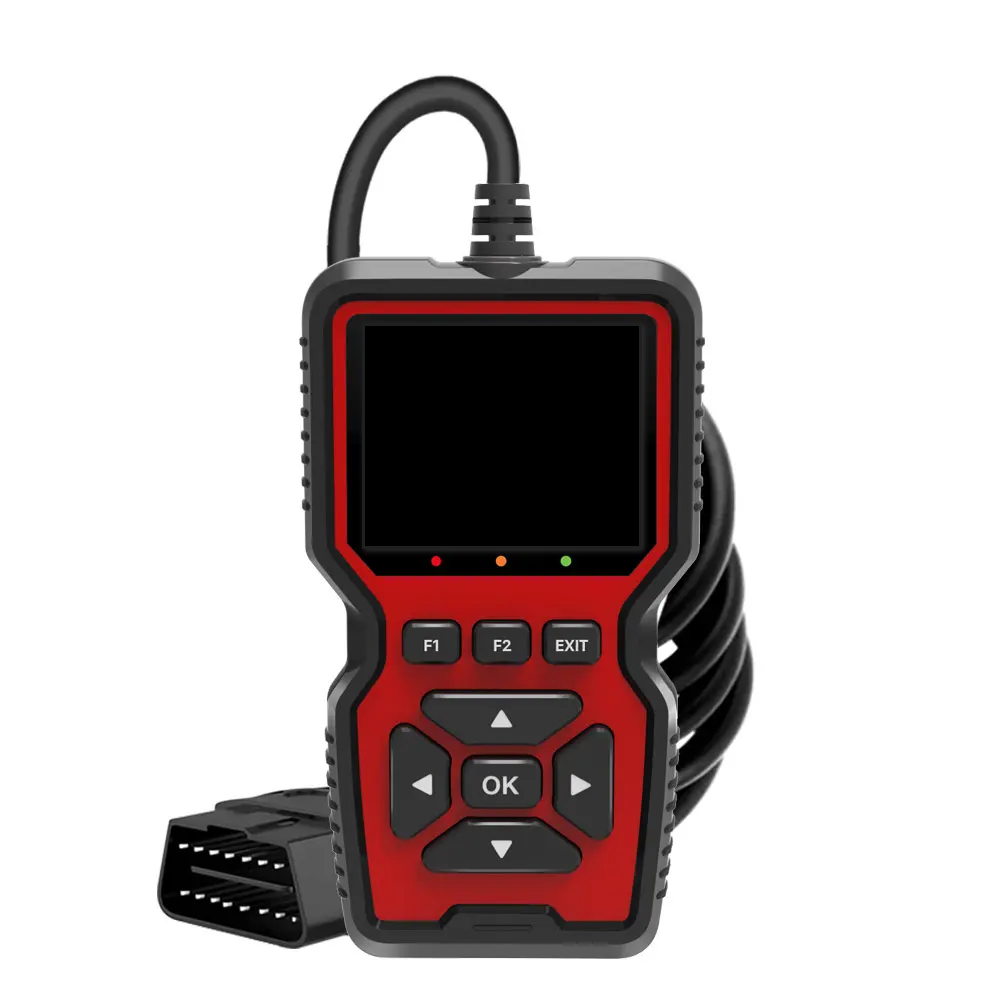
Diagnosis of B1348 requires methodical electrical testing using a Digital Multimeter (DMM) and a capable OBD-II scanner:
- Initial Inspection and DTC Retrieval: Begin with a thorough visual inspection of the rear window defroster grid for obvious breaks or damage. Check the associated fuse(s) for the heated backlite system in both the underhood and interior fuse boxes using a test light or DMM for continuity. Connect an OBD-II scanner to retrieve the B1348 code and any accompanying freeze frame data from the BCM/REM. Note environmental conditions and battery voltage at the time the code was set.
- Verify Relay Operation:
- Locate the heated backlite relay, usually in a fuse box. With the ignition ON and the defroster commanded ON via the dash switch, listen for an audible “click” from the relay.
- If no click, remove the relay. Using a DMM, check for a constant 12V supply at the relay socket’s main power input terminal (typically pin 30) and a switched 12V or ground signal (depending on circuit design, usually on pin 85 or 86) from the BCM/REM when the defroster is activated.
- If the main power supply (pin 30) is absent, trace back to its fuse or power distribution point. If the control signal from the BCM/REM (pin 85/86) is absent, suspect the control wiring or the BCM/REM itself.
- Bench Test the Relay: Remove the relay. Apply 12V to the relay’s coil terminals (85 and 86) from a fused power source. Using the DMM in continuity or resistance mode, check for continuity across the load terminals (30 and 87). A functional relay will produce an audible click and show near-zero resistance (continuity) across the load terminals. If it fails this test, the relay is faulty.
- Inspect Wiring for Opens: With the battery disconnected for safety and the relay removed, use a DMM in resistance (Ohms) mode to check for continuity on all associated wiring.
- Check continuity from the relay socket’s load output terminal (pin 87) to the input tab on the rear window defroster grid.
- Check continuity from the defroster grid’s ground connection to a known good chassis ground point.
- Perform a “wiggle test” on accessible wiring harnesses, particularly those routing through the trunk lid or tailgate hinges, while monitoring resistance readings for intermittent opens.
- Check Defroster Grid Resistance: If all relay circuit wiring and the relay itself test good, disconnect the wiring at the defroster grid tabs and measure the resistance across the grid using a DMM. An “OL” (open loop) reading or extremely high resistance indicates an open circuit within the defroster grid itself.
Recommended Repairs and Solutions
- Replace Faulty Heated Backlite Relay: If the relay fails bench testing, replacement with an OEM-specification relay is the most common and straightforward solution.
- Repair Open Wiring: If an open circuit is identified in the wiring harness, perform a professional wire repair. This involves carefully stripping the insulation, soldering the wire ends, and sealing the repair with heat-shrink tubing. Pay close attention to areas prone to flexing or moisture intrusion. Ensure secure connections at terminals and connectors.
- Replace Blown Fuse: If a blown fuse is discovered, replace it with a fuse of the identical amperage rating. It is crucial to investigate the underlying cause of the fuse blowing, as a persistent short circuit elsewhere in the system will cause a new fuse to blow quickly.
- Repair or Replace Damaged Defroster Grid: For an open circuit within the defroster grid itself, specialized conductive repair kits (paint or epoxy) can be used for minor breaks. For extensive damage, replacement of the entire rear window may be necessary.
- Replace Body Control Module (BCM) or Rear Electronic Module (REM): Only consider replacing a BCM/REM after all other potential causes (relay, fuses, wiring, defroster grid) have been thoroughly tested and ruled out. Module replacement typically requires programming or calibration with specialized diagnostic tools after installation.