What Does Code B1387 Mean?
The diagnostic trouble code B1387 indicates an Oil Temperature Sensor Circuit Open. This code is triggered by the Powertrain Control Module (PCM), or Engine Control Module (ECM) in some applications, when it detects an electrical open within the circuit of the engine oil temperature sensor (OTS). The OTS is typically a Negative Temperature Coefficient (NTC) thermistor, meaning its electrical resistance decreases as the oil temperature increases. The PCM supplies a reference voltage (typically 5 volts) to the OTS and monitors the voltage drop across the sensor. An open circuit condition, characterized by an infinite resistance, will result in the PCM receiving a voltage signal that is either abnormally high (close to the reference voltage, due to an internal pull-up resistor in the PCM) or, less commonly, no signal at all, depending on where the open occurs within the circuit. This voltage reading falls outside the PCM’s calibrated operating parameters for the sensor, signaling an electrical fault. When this occurs, the PCM cannot accurately determine the engine oil temperature, which is crucial for various engine management strategies including fuel mixture adjustments, ignition timing, variable valve timing (VVT) operation, oil cooler activation, and even DPF regeneration strategies in diesel applications. In response, the PCM usually defaults to a substitute temperature value (often -40°C/-40°F) to allow the engine to operate, albeit with potentially compromised performance and efficiency.
Common Symptoms
- Illuminated Malfunction Indicator Lamp (MIL): The check engine light will be illuminated on the dashboard.
- Inaccurate or Missing Oil Temperature Gauge Reading: The dashboard oil temperature gauge or digital display may show an abnormally low reading (e.g., -40°F) or no reading at all.
- Decreased Fuel Economy: The PCM may use a default oil temperature, which can lead to suboptimal fuel delivery and ignition timing strategies.
- Suboptimal Engine Performance: The engine may exhibit rough idle, hesitation, or reduced power due to the PCM operating on estimated or default temperature values.
- Delayed or Incorrect Engine Cooling Fan Operation: In some systems, oil temperature is a factor in cooling fan control logic.
- Inability to Perform Diesel Particulate Filter (DPF) Regeneration: Diesel engines often require specific oil temperatures for active DPF regeneration to initiate.
- Increased Exhaust Emissions: Inaccurate temperature data can lead to inefficient combustion and higher emissions.
What Causes the Code B1387?
- Faulty Engine Oil Temperature Sensor (OTS): Internal break in the thermistor element or its internal wiring, leading to an open circuit.
- Open Circuit in the Wiring Harness: A break, fray, or cut in the signal wire, reference voltage wire, or ground wire connecting the OTS to the PCM.
- Corroded or Loose Electrical Connectors: Corrosion on the pins of the OTS connector or the PCM connector can create high resistance, effectively causing an open circuit. Damaged connector pins (bent, pushed out) can also interrupt the circuit.
- Faulty Powertrain Control Module (PCM) / Engine Control Module (ECM): Although less common, an internal fault within the PCM’s sensor monitoring circuit can cause it to misinterpret the sensor signal or fail to provide the necessary reference voltage or ground.
How to Diagnose and Troubleshoot
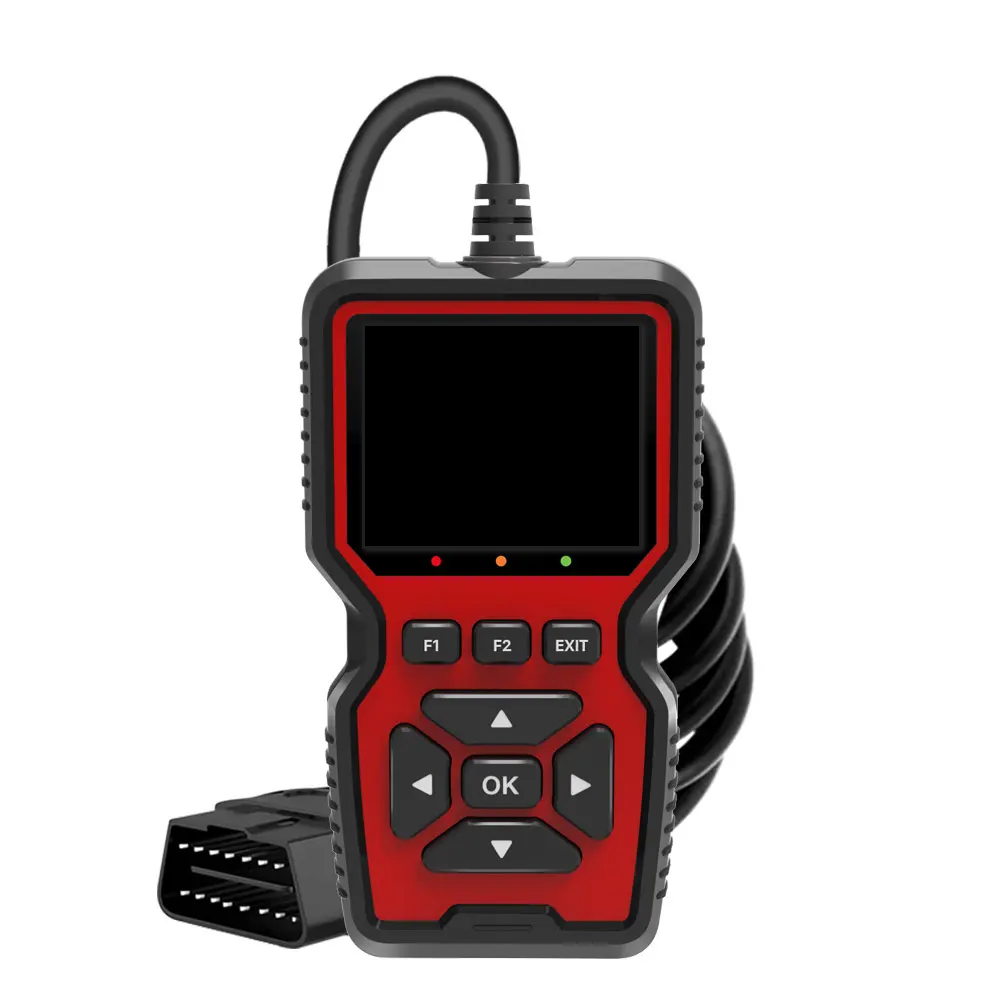
Diagnosing B1387 requires a methodical approach using a digital multimeter (DMM) and an OBD-II scanner:
- Verify the Code and Clear DTCs: Connect an OBD-II scanner and confirm B1387 is present. Check for any other related codes that might point to a broader electrical issue. Clear the code and road test the vehicle to see if it immediately returns.
- Visual Inspection: Locate the engine oil temperature sensor (typically threaded into the oil pan, oil filter housing, or engine block). Inspect the sensor and its electrical connector for obvious signs of damage, corrosion, or loose connections. Trace the wiring harness back from the sensor as far as possible, looking for frayed, pinched, or burnt wires.
- Live Data Analysis with OBD-II Scanner: While monitoring live data, observe the engine oil temperature reading. If the circuit is open, the reading will likely be stuck at an implausible low value (e.g., -40°F/-40°C) or remain static regardless of actual engine temperature.
- Check Reference Voltage and Ground at the Sensor Connector:
- Disconnect the OTS electrical connector.
- With the ignition ON (engine OFF), use a DMM to measure voltage between the reference voltage pin and a known good ground (e.g., battery negative terminal). You should typically read approximately 5 volts.
- Measure resistance between the ground pin of the connector and a known good chassis ground. You should read very low resistance (close to 0 ohms).
- If either the reference voltage or ground is missing or out of specification, troubleshoot the wiring back to the PCM.
- Test the Oil Temperature Sensor Resistance:
- With the OTS electrical connector still disconnected, use a DMM to measure the resistance across the two terminals of the oil temperature sensor itself.
- An open circuit within the sensor will show an infinite resistance (OL on most DMMs).
- Compare the measured resistance to the manufacturer’s specifications (if available, a resistance-versus-temperature chart is ideal). As a general rule for NTC thermistors, resistance should decrease as the sensor warms up (e.g., by submerging it in hot water if removed, or observing resistance change as the engine warms).
- Check Wiring Harness Continuity:
- With the PCM connector disconnected and the OTS connector disconnected, use a DMM to check for continuity of each wire (signal, reference, ground) from the OTS connector back to the corresponding pin at the PCM connector.
- Any wire showing infinite resistance has an open.
- Also, check for short circuits to ground or to power within the harness by measuring resistance between each wire and chassis ground/battery positive.
- PCM Diagnosis (Last Resort): If the sensor, wiring, and connectors all test good according to specifications, the issue might lie within the PCM. This is rare and typically requires specialized diagnostic tools or replacement for confirmation.
Recommended Repairs and Solutions
Based on the diagnostic findings, the following repairs are typically recommended:
- Replace the Engine Oil Temperature Sensor (OTS): This is the most common resolution if the sensor itself tests as an open circuit (infinite resistance). Ensure to use a high-quality OEM or equivalent aftermarket sensor.
- Repair or Replace Damaged Wiring Harness: If an open circuit is identified in the wiring, repair it using appropriate gauge wire, solder connections, and heat-shrink tubing to ensure a durable and waterproof repair. If the damage is extensive, a section of the harness or the entire harness may need replacement.
- Clean or Replace Corroded Connectors: If corrosion is present, carefully clean the connector terminals with an electrical contact cleaner and a small brush. If pins are severely corroded, bent, or pushed out, the connector or its pigtail should be replaced.
- Replace the Powertrain Control Module (PCM) / Engine Control Module (ECM): If all other components have been thoroughly tested and verified as functional, and the issue persists, the PCM may be at fault. This is an expensive repair and often requires programming and calibration to the specific vehicle, so it should only be performed after exhaustive troubleshooting of all other possibilities.
- After any repair, clear the diagnostic trouble code (DTC) and perform a comprehensive test drive to ensure the repair is successful and the code does not return. Monitor live data for the oil temperature reading to confirm it is now accurate and responsive.