What Does Code B1395 Mean?
DTC B1395 signifies a detected electrical fault within the power door memory lock relay circuit, specifically indicating a "short to ground." This code is typically set by the Body Control Module (BCM) or a dedicated Door Module (e.g., Driver Door Module – DDM, Passenger Door Module – PDM), which are responsible for monitoring and controlling vehicle body electrical systems, including door locks. The module detects an abnormal voltage drop or excessively low resistance on the circuit supplying power to or controlling the power door memory lock relay, consistent with an unintended path to chassis ground. This condition disrupts the intended operation of the power door locking mechanism, particularly those functions integrated with memory settings (e.g., driver 1/2 profiles linked to key fobs or seat positions), as the relay is unable to properly switch power to the door lock actuator or the control signal is continuously pulled to ground.
Common Symptoms
- Inoperative Power Door Locks: One or more power door locks may fail to respond to commands from the switch, key fob, or memory functions.
- Erratic Door Lock Operation: Door locks may cycle intermittently, spontaneously lock/unlock, or make clicking noises without full engagement.
- Memory Function Malfunction: Inability to recall or set personalized memory settings for seats, mirrors, or steering column linked to door lock/unlock actions.
- Warning Light Illumination: "Service Door Lock System" or a similar warning message may appear on the instrument cluster.
- Parasitic Battery Drain: A persistent short to ground can cause a constant draw on the battery, leading to premature discharge.
What Causes the Code B1395?
- Damaged Wiring Harness: Frayed, chafed, or pinched wires within the power door memory lock relay circuit creating an unintended contact with a grounded surface (e.g., vehicle chassis, door frame). This is especially common in door jambs due to repeated opening and closing cycles.
- Faulty Power Door Memory Lock Relay: An internal short to ground within the relay itself, preventing proper circuit switching.
- Corroded Connectors: Moisture intrusion or corrosion within electrical connectors leading to a short between the affected circuit wire and a ground path.
- Faulty Door Lock Actuator: An internal short within the door lock actuator’s motor windings or control circuitry, drawing excessive current and appearing as a short to ground on the relay circuit.
- Faulty Body Control Module (BCM) or Door Module: Although less common, an internal short within the module’s driver circuit controlling the relay can trigger this code.
How to Diagnose and Troubleshoot
Diagnosis of B1395 requires careful, systematic electrical testing. Always begin by obtaining a vehicle-specific wiring diagram for the power door memory lock circuit.
- Visual Inspection:
- Begin with a thorough visual inspection of the wiring harness leading to the affected door, paying close attention to the flexible conduit in the door jamb. Look for signs of chafing, pinching, or damage to wire insulation.
- Inspect all connectors in the circuit for corrosion, bent pins, loose connections, or signs of moisture intrusion.
- Check for any aftermarket accessories that may have been installed and could have interfered with the wiring.
- OBD-II Scan Tool Analysis:
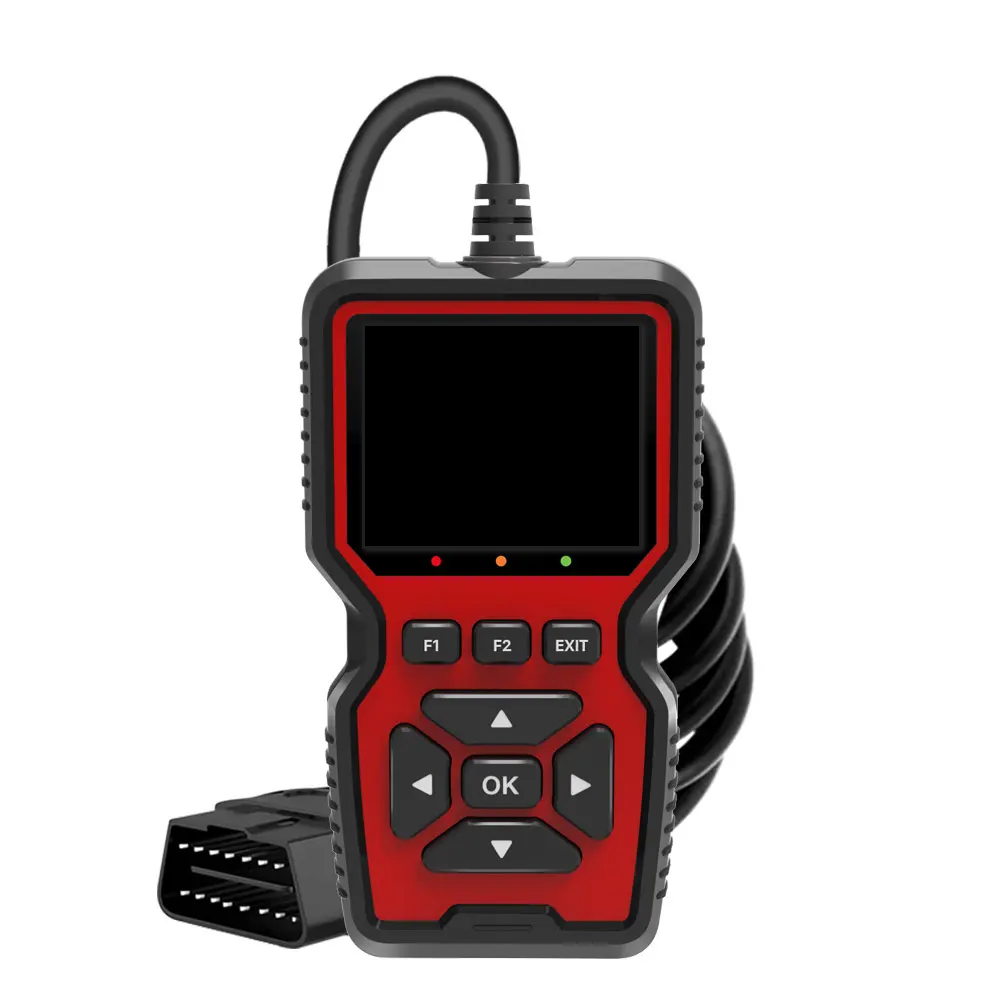
- Use a professional-grade scan tool capable of communicating with the BCM or door modules.
- Check for any other related Diagnostic Trouble Codes (DTCs) that might point to a broader electrical issue.
- Monitor relevant live data parameters (PIDs) for the door lock system, such as door lock switch status, lock/unlock commands, and relay statuses, if available.
- Circuit Isolation and Digital Multimeter (DMM) Testing:
- Disconnect Battery: For safety and to prevent further damage, disconnect the vehicle’s negative battery terminal.
- Isolate the Circuit: Disconnect the power door memory lock relay (if external) and/or the connector(s) at the door module(s) and the door lock actuator(s) for the affected door. This allows you to test sections of the circuit independently.
- Resistance Test (Wiring Harness): Using a DMM set to ohms, test the resistance between the specific wire identified in the wiring diagram (which corresponds to the relay control or power output) and a known good chassis ground. A reading close to 0 ohms indicates a direct short to ground within the wiring harness itself. Systematically wiggle the harness while testing to identify intermittent shorts.
- Resistance Test (Components):
- Relay: If the relay is external and accessible, test its internal resistance across the coil and switch terminals according to service manual specifications. An internal short will show very low resistance where high resistance or an open circuit is expected.
- Door Lock Actuator: With the actuator disconnected, test the resistance between its power/control terminals and its metal casing or internal ground. A low resistance value (e.g., < 100 ohms) can indicate an internal short to ground within the actuator's motor or solenoid.
- Voltage Drop Test (After Repair/For Power Issues): If a short is not immediately found, but the symptom suggests power delivery issues, perform a voltage drop test across the circuit after reconnecting components and applying power, observing voltage changes when the lock/unlock command is given.
Recommended Repairs and Solutions
- Repair or Replace Damaged Wiring: Once the location of the shorted wire is identified, carefully cut out the damaged section. Splice in a new section of wire of the correct gauge using solder and heat-shrink tubing for a durable, weather-sealed repair. Ensure proper routing to prevent future chafing or damage, using conduit or loom tape.
- Replace Faulty Power Door Memory Lock Relay: If the relay itself tests as internally shorted, replace it with a new OEM-quality relay. Ensure it is the correct part number for the specific vehicle application.
- Clean or Replace Corroded Connectors: If corrosion is found, use electrical contact cleaner and a small brush to remove all debris. Apply dielectric grease to prevent future moisture intrusion. If the corrosion is severe or has caused pin damage, the connector terminals or the entire connector housing should be replaced.
- Replace Faulty Door Lock Actuator: If the door lock actuator is determined to have an internal short, the entire actuator assembly typically needs to be replaced. These are often integrated with the latch mechanism.
- Replace Body Control Module (BCM) or Door Module: This should be considered a last resort after all other components and wiring have been thoroughly tested and ruled out. Module replacement often requires specialized programming and calibration using a factory-level scan tool.
- Professional Tip: After any repair, clear the DTC B1395 from the module’s memory. Test the door lock system thoroughly multiple times under various conditions (e.g., ignition on/off, with remote, with door switch) to ensure the fault does not recur. Consult the vehicle’s service information for specific testing procedures and component locations.