What Does Code B1424 Mean?
DTC B1424 signifies that the vehicle’s Body Control Module (BCM), or in some architectures, a dedicated Door Control Module (DCM), has detected an electrical fault indicative of a Short to Battery (B+ voltage) within the circuit responsible for controlling the Rear Right (RR) Power Window Motor. This means that a portion of the wiring or a component within the RR power window circuit that should typically be at ground potential, a low signal voltage, or a specific control voltage, is instead receiving or exhibiting a voltage level consistent with the vehicle’s 12V battery supply when it should not. The BCM/DCM actively monitors the voltage and current draw across its output drivers and input signals. When it registers an anomalous high voltage on a circuit intended for the RR window motor, especially when the window is not commanded to move or when the circuit’s expected state is different, it flags B1424. This condition can prevent the window from operating correctly and is often a protective measure by the control module to prevent further electrical damage.
Common Symptoms
- The Rear Right power window is completely inoperative (will not move up or down via its local switch or the driver’s master switch).
- Intermittent or erratic operation of the Rear Right power window.
- The fuse associated with the Rear Right power window circuit may be repeatedly blowing.
- Unusual noises (e.g., clicking, buzzing) coming from the Rear Right door panel or fuse box when attempting to operate the window.
- A “Service Electrical System” or similar warning light may illuminate on the instrument cluster, depending on the vehicle’s integration.
What Causes the Code B1424?
- Damaged Wiring Harness: The most frequent cause is chafed, pinched, or severed wiring within the rear right door panel, the flexible conduit passing between the door and the body, or further upstream in the main vehicle harness. This damage can expose a wire carrying a different potential to the RR window motor circuit, creating a direct short to the 12V battery supply.
- Faulty Power Window Motor Assembly: An internal electrical fault or short within the Rear Right window motor itself can cause the motor’s power or control lines to short to an internal 12V source or to its own grounded housing in a way that mimics a short to battery on the control circuit side.
- Defective Window Switch: A shorted internal contact within either the individual Rear Right window switch or the driver’s master power window switch can route constant 12V battery voltage into the RR window motor control circuit when the switch is not activated or is in an incorrect state.
- Water Intrusion and Corrosion: Moisture accumulation inside the door panel or within electrical connectors can lead to corrosion and create unintended conductive paths (short circuits) between the RR window motor circuit and a constant 12V power source.
- Internal Control Module Fault: Although less common, an internal malfunction within the Door Control Module (DCM) or Body Control Module (BCM) itself, such as a shorted output driver or a logic fault, could erroneously supply battery voltage to the Rear Right window motor circuit.
How to Diagnose and Troubleshoot
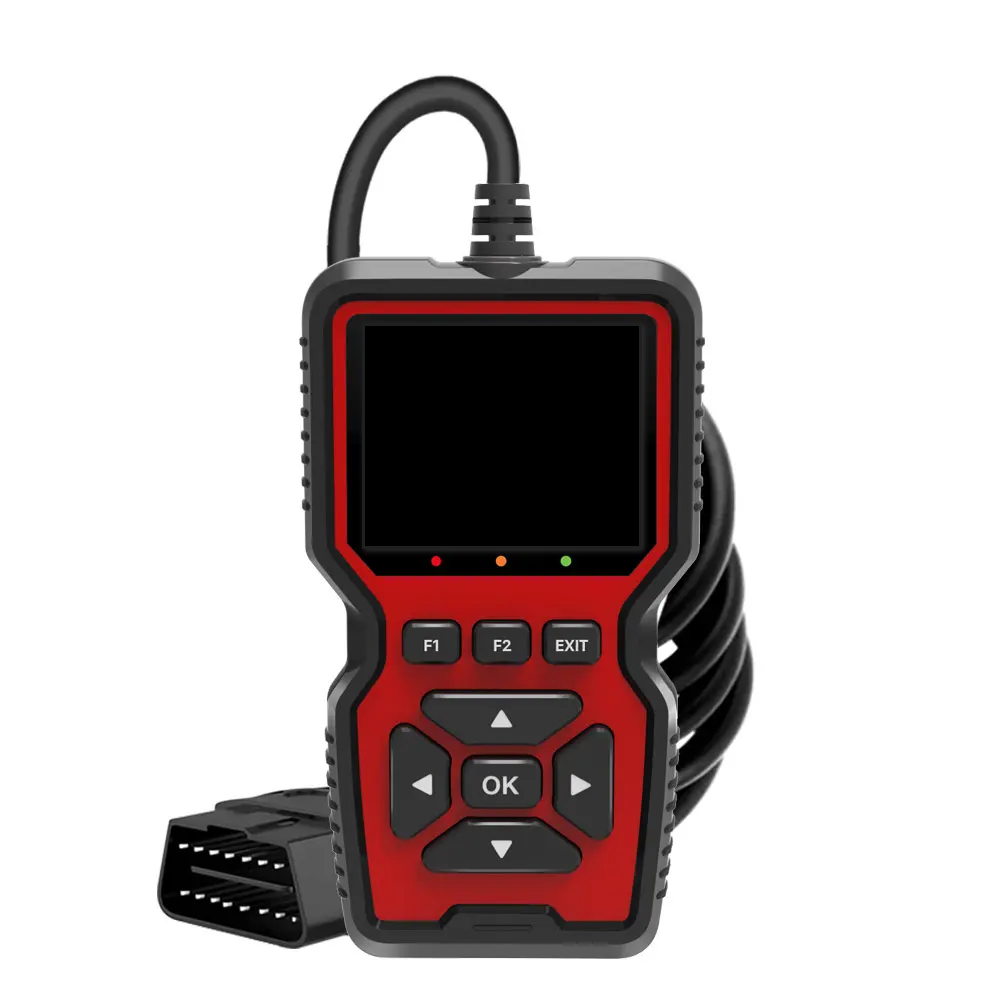
Diagnosis of B1424 requires a methodical approach, utilizing an OBD-II scanner, a digital multimeter (DMM), and visual inspection.
- Preliminary Scan and Inspection:
- Connect an OBD-II scanner capable of accessing BCM/DCM codes. Confirm B1424 is active and check for any related or pending codes. Note freeze frame data if available.
- Visually inspect the fuse(s) designated for the Rear Right power window circuit. A blown fuse often indicates a direct and severe short. Replace any blown fuse with one of the correct amperage for initial testing, but be prepared for it to blow again if the underlying short isn’t resolved.
- Perform a thorough visual inspection of the wiring harness. Start at the flexible boot connecting the door to the body, inspecting for signs of chafing, pinching, or damage. Remove the RR door panel to examine the wiring around the window motor, regulator, and window switch. Look for any exposed wires, corrosion, or signs of water intrusion.
- Circuit Isolation and DMM Testing:
- Isolate the Motor: Disconnect the electrical connector from the Rear Right power window motor. This step helps determine if the short is within the motor itself or in the vehicle’s wiring harness upstream.
- Test Harness for Short to Battery: With the ignition ON (engine OFF), use a DMM set to DC voltage. Probe each terminal of the now-disconnected harness-side connector that goes to the window motor, referencing to a known good chassis ground. Identify which wires should be power, ground, and control signals (consult a vehicle-specific wiring diagram). A wire that should be at or near 0V, or a specific control voltage (e.g., 5V), but consistently reads near 12V-14V indicates a short to battery within the vehicle’s wiring harness, the window switch, or the control module.
- Test Motor for Internal Short: If the harness side tests clean, the motor might be at fault. Using the DMM set to resistance (Ohms), check for continuity or low resistance between the motor’s power terminals and the motor’s metal casing (if applicable, which can act as a ground). An internal short to ground or an internal short that routes battery voltage to an unintended line can sometimes trigger this code.
- Test Window Switch: Disconnect both the individual RR window switch and potentially the driver’s master switch (if the fault persists with only the RR switch disconnected). Using a wiring diagram, test for continuity or resistance between the switch terminals. A faulty switch might have an internal short that routes 12V directly to a motor control line, even when the switch is in the neutral position.
- Wiggle Test and Component Elimination:
- With the DMM connected to the suspected shorted wire, gently manipulate the wiring harness, particularly at pivot points like the door jamb and where the harness routes through the door. Observe if the voltage reading fluctuates or momentarily drops, indicating an intermittent short.
- Systematically disconnect components (e.g., RR window motor, RR window switch, then potentially the master window switch) one by one, re-checking the code status and harness voltage each time, to pinpoint the specific component causing the short.
Recommended Repairs and Solutions
- Wiring Harness Repair/Replacement: The primary solution often involves meticulously locating and repairing the damaged section of the wiring harness. Use high-quality heat-shrink butt connectors or solder connections protected with heat-shrink tubing for durable, weather-resistant repairs. In cases of extensive or complex damage, replacing the entire door wiring harness may be more efficient and reliable.
- Power Window Motor Replacement: If diagnostic testing confirms an internal short or fault within the Rear Right power window motor, the motor assembly (which is often integrated with the window regulator) must be replaced. Ensure the replacement part is compatible with your vehicle’s specifications.
- Window Switch Replacement: If either the individual Rear Right window switch or the driver’s master power window switch is found to be internally shorted, it requires replacement. Some vehicle systems may require switch calibration or programming after replacement; consult the service manual.
- Address Water Intrusion and Corrosion: If water damage or corrosion is identified, rectify the source of the water ingress (e.g., sealing faulty door membranes, window seals, or sunroof drains). Thoroughly clean all affected connectors and wiring with electrical contact cleaner, then apply dielectric grease to prevent future corrosion.
- Body Control Module (BCM)/Door Control Module (DCM) Diagnostics/Replacement: Only consider BCM or DCM replacement as a last resort, after meticulously ruling out all external wiring and component faults. These modules are expensive and typically require specialized dealer-level programming or initialization after installation. Consult the vehicle’s service information for specific module diagnostic procedures.