What Does Code B1451 Mean?
DTC B1451 signifies an detected open circuit within the Wiper Wash/Delay Switch circuit. This code is typically set by the vehicle’s Body Control Module (BCM), Generic Electronic Module (GEM), or a similar integrated control module responsible for managing interior and exterior convenience functions, rather than the Powertrain Control Module (PCM/ECM) directly. The BCM monitors the electrical signals and resistance values received from the multifunction switch (often located on the steering column stalk) for the windshield wiper system. When the BCM detects an unexpectedly high resistance or an absence of electrical continuity (an open circuit condition) in the dedicated wiring pathway or within the switch itself for the intermittent/delay wiper function or the windshield washer function, it sets code B1451. This indicates that the BCM is not receiving the expected input signal from the switch for these specific operations, preventing proper control of the associated wiper or washer components.
Common Symptoms
- Front windshield wipers do not operate in intermittent or delay modes.
- Front windshield washer pump does not activate when the wash function is commanded.
- Wipers may only function on continuous low or high-speed settings, or fail to operate entirely.
- No audible relay click when attempting to activate wash or delay functions.
- Potential illumination of a warning indicator on the instrument cluster, though less common for B-codes related to convenience features.
What Causes the Code B1451?
- Faulty Multifunction Switch: Internal mechanical failure, worn contacts, or an open circuit within the steering column-mounted switch assembly, specifically affecting the wash or delay control circuits.
- Open Circuit in Wiring Harness: A damaged, chafed, or severed wire in the harness connecting the multifunction switch to the BCM. This could also include a poor crimp or a broken wire inside the insulation.
- Corroded or Loose Connectors: Oxidation, bent pins, or insufficient tension at the electrical connectors for the multifunction switch or the BCM, leading to an intermittent or complete loss of electrical continuity.
- Faulty Body Control Module (BCM): While less common, an internal fault within the BCM itself could prevent it from correctly reading the input signal from the wiper switch.
How to Diagnose and Troubleshoot
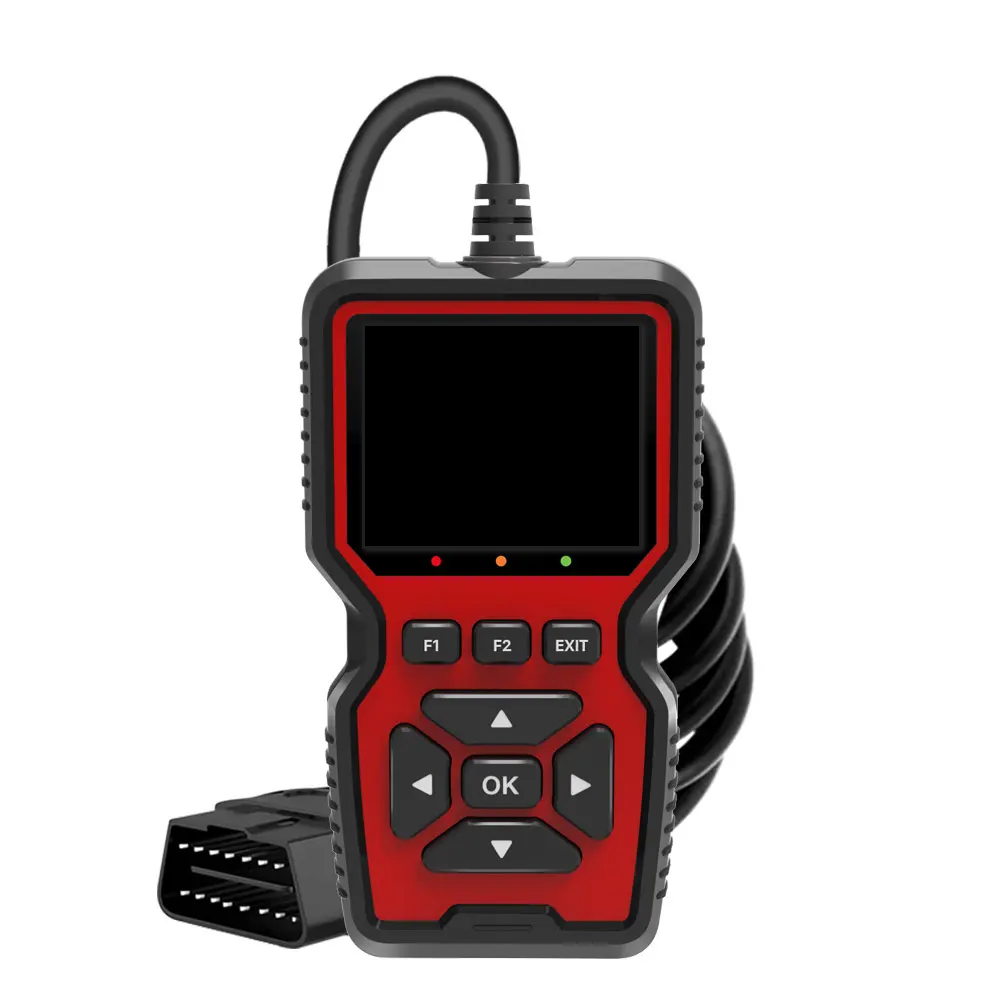
Diagnosing B1451 requires careful inspection and electrical testing using a digital multimeter (DMM) and an advanced OBD-II scanner capable of accessing BCM live data.
- Visual Inspection: Begin by visually inspecting the multifunction switch for any obvious physical damage. Carefully examine the wiring harness leading from the steering column switch down to the BCM for signs of chafing, cuts, pinch points, or corrosion, particularly at the connectors. Pay close attention to areas where the harness passes through grommets or near moving parts.
- Scan Tool Data Analysis: Connect an advanced OBD-II scanner to the vehicle’s DLC. Access the BCM (or equivalent module) and navigate to the live data stream. Look for parameters related to the wiper switch input status (e.g., “Wiper Delay Switch Status,” “Wiper Wash Switch Status”). Operate the multifunction switch through all its positions (off, intermittent, low, high, wash). Observe if the BCM registers the correct input commands for all functions, especially the delay and wash. If other switch functions (like turn signals or high beams, if integrated) are recognized correctly, it helps isolate the issue to the specific wash/delay circuit.
- Continuity Test of Multifunction Switch:
- With the ignition OFF, disconnect the electrical connector from the multifunction switch.
- Consult the vehicle-specific wiring diagram to identify the pins corresponding to the wash and delay circuits within the multifunction switch connector.
- Using a DMM set to ohms or continuity mode, probe the relevant pins directly on the switch assembly.
- With the switch in the “off” position, test for an open circuit (OL or infinite resistance) between relevant pins if specified by the manufacturer.
- Activate the wash function and test for continuity or a specified resistance value. Repeat for the delay/intermittent positions. An “OL” reading when the switch should be closed or exhibiting a specific resistance indicates an internal fault within the multifunction switch.
- Wiring Harness Continuity and Short Test:
- Ensure the multifunction switch connector is disconnected, and carefully disconnect the BCM connector where the wiper switch inputs terminate.
- Consult the wiring diagram to identify the specific wire(s) for the wash and delay circuits from the switch to the BCM.
- Using a DMM, perform a continuity test between the corresponding pins at the disconnected switch connector and the disconnected BCM connector. Any “OL” reading indicates an open circuit within the wiring harness.
- While still disconnected, test each wire for shorts to ground (by touching one probe to the wire pin and the other to a known good chassis ground) and shorts to voltage (by re-connecting the BCM, turning the ignition ON, and testing for voltage on the specific wire with no switch input).
- Power and Ground Supply: If the multifunction switch is of a design that requires direct power and ground, verify these supplies are present at the switch connector using the DMM.
Recommended Repairs and Solutions
The resolution for B1451 typically involves addressing the specific component identified during the diagnostic process:
- Replace Multifunction Switch: If the diagnostic steps confirm an internal fault within the multifunction switch (e.g., failed continuity tests), the most common solution is to replace the entire switch assembly. Ensure the replacement part is an OEM equivalent to guarantee proper fit, function, and electrical compatibility.
- Repair Wiring Harness: If an open circuit, short, or damaged wire is identified in the wiring harness, perform a professional wire repair. This involves cutting out the damaged section, soldering in a new section of wire of the correct gauge, and insulating the repair with heat-shrink tubing. If connector pins are corroded or bent, clean them thoroughly with electrical contact cleaner or replace the connector pigtail.
- Clean or Replace Connectors: For issues related to corroded or loose connector pins, clean the pins thoroughly with electrical contact cleaner and ensure proper pin tension for a secure connection. If cleaning is insufficient or pins are severely damaged, replace the affected connector.
- Replace Body Control Module (BCM): Only consider BCM replacement as a last resort, after meticulously confirming that the multifunction switch, wiring, and connectors are all functioning correctly. BCM replacement often requires specialized programming or coding by a dealership or a repair facility with the necessary diagnostic equipment.
After performing any repair, clear the DTCs using an OBD-II scanner. Then, thoroughly test the front wiper and washer functions in all modes (intermittent, low, high, and wash) to confirm the repair is successful and that the B1451 code does not return.