What Does Code B1477 Mean?
DTC B1477 indicates that the vehicle’s Body Control Module (BCM) or Integrated Power Module (IPM) has detected an electrical short to ground within the high/low speed circuit of the front wiper motor. This fault signifies that the control module, which is responsible for supplying power and controlling the various speeds of the wiper motor, is observing an unintended low-resistance path from the power supply circuit directly to chassis ground. This condition results in excessive current draw and/or an insufficient voltage supply to the wiper motor’s high and low-speed windings, preventing proper operation. The module sets this code when it registers this abnormal current flow or voltage discrepancy that deviates from its programmed operational parameters for the wiper system, primarily affecting the consistent and controlled movement of the windshield wipers at their designated speeds.
Common Symptoms
- Front windshield wipers operate only at a single speed (e.g., only intermittent, or only high speed, but not both).
- Front windshield wipers fail to operate at any speed when commanded.
- Wiper operation is erratic, such as stopping mid-sweep or failing to park correctly.
- The fuse protecting the wiper circuit repeatedly blows, indicating a persistent short circuit.
- Audible clicking from the fuse box or relay panel when attempting to operate the wipers.
- A “Service Wipers” or similar warning message may appear on the instrument cluster.
What Causes the Code B1477?
- Faulty Wiper Motor Assembly: An internal electrical short circuit within the wiper motor itself, specifically affecting the high-speed or low-speed windings, or a fault in the internal park switch mechanism causing a continuous ground path.
- Damaged Wiring Harness: The wiring leading to the wiper motor (specifically the high or low-speed control wires or their associated power feeds) has chafed, pinched, or been cut, making direct contact with the vehicle’s chassis or another grounded component. Common locations for damage include areas where the harness passes through the firewall, under the cowl, or near moving parts.
- Corroded Electrical Connectors: Severe corrosion within the multi-pin electrical connector at the wiper motor or intermediate harness connectors can create a conductive bridge between a power/control wire and ground.
- Faulty Wiper Switch/Stalk Assembly: Less common, but an internal short within the steering column-mounted wiper switch could potentially back-feed a ground to the motor control circuit, though the code explicitly targets the “motor circuit.”
- Body Control Module (BCM) / Integrated Power Module (IPM) Internal Fault: In rare cases, an internal component failure within the control module itself could erroneously report a short to ground or fail to properly control the wiper motor’s ground-side switching.
How to Diagnose and Troubleshoot
Diagnosis of B1477 requires meticulous inspection and electrical circuit testing:
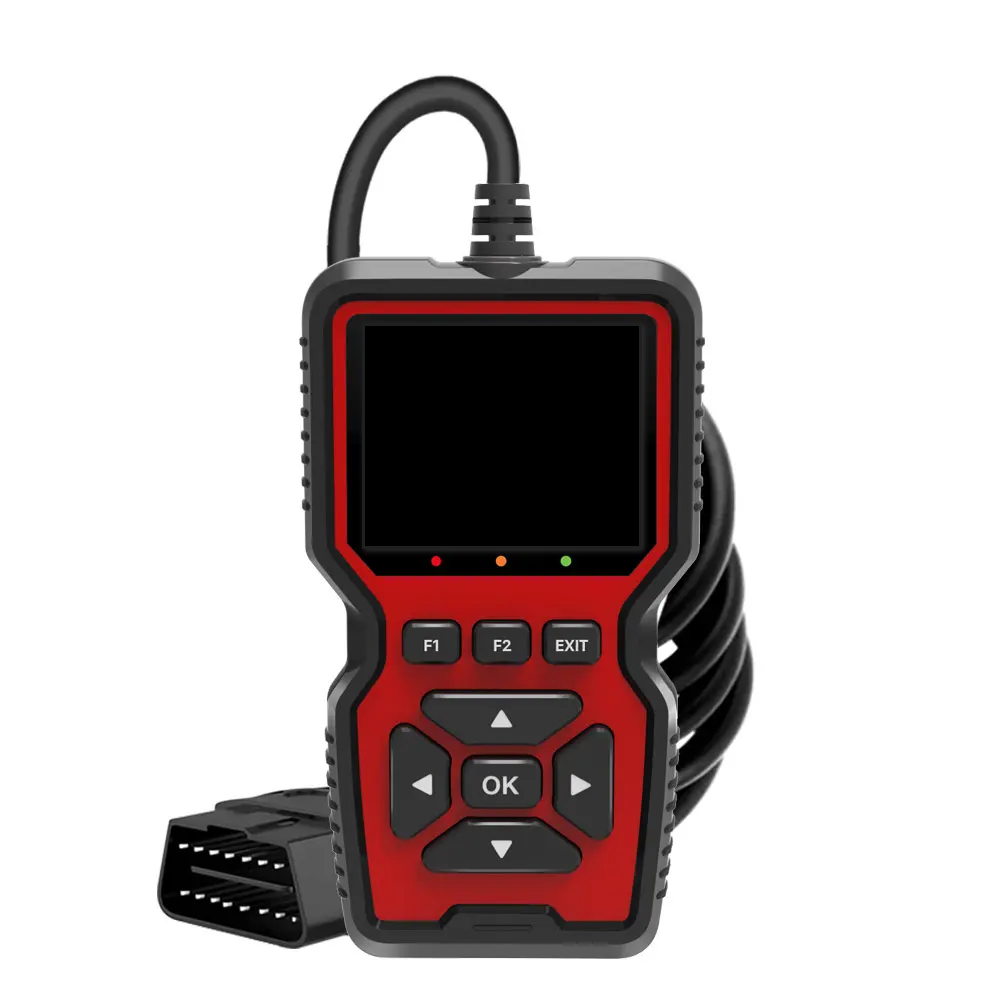
- Retrieve DTCs and Freeze Frame Data: Connect an OBD-II scan tool. Record all stored and pending DTCs, along with freeze frame data. This data provides snapshots of engine and sensor parameters at the time the code was set, which can be invaluable for pinpointing conditions. Clear the codes after recording.
- Visual Inspection:
- Inspect the entire wiring harness leading to the front wiper motor from the firewall for any signs of physical damage, such as chafing, cuts, or pinching, paying close attention to areas near sharp edges or high-vibration zones.
- Examine the electrical connector at the wiper motor for signs of corrosion, bent pins, or loose connections. Disconnect and check the mating connector on the motor itself.
- Inspect the wiper motor housing for any evidence of water intrusion or physical damage.
- Verify that all related fuses in the under-hood and cabin fuse blocks are intact and not blown. A repeatedly blown fuse strongly indicates a hard short.
- Wiper Motor Disconnected Electrical Testing (DMM):
- Isolate the Circuit: Disconnect the electrical connector from the wiper motor. This isolates the motor from the vehicle’s wiring harness, allowing for individual component testing.
- Test for Short in Motor: Using a Digital Multimeter (DMM) set to ohms (Ω), measure the resistance between each of the high-speed and low-speed control pins in the wiper motor’s connector (on the motor side) and a known good chassis ground point (e.g., the motor housing or a dedicated ground stud). A reading approaching 0 ohms (continuity) on any of these pins indicates an internal short to ground within the wiper motor. An open circuit (OL or very high resistance) is the expected normal reading.
- Test for Short in Harness: With the wiper motor still disconnected, set the DMM to ohms (Ω). Place one lead on a known good chassis ground point and the other lead on each of the corresponding high-speed and low-speed control wires in the vehicle’s wiring harness connector (the vehicle side). Wiggle the harness aggressively during this test. A reading near 0 ohms indicates a short to ground in the wiring harness. An open circuit (OL or very high resistance) is the expected normal reading.
- Voltage and Ground Integrity Check (DMM):
- If no hard short is found, reconnect the motor. Use the DMM to test for proper power supply and ground at the wiper motor connector with the wiper switch activated at different speeds. Check for proper voltage (typically battery voltage) on the power feed wires and ensure a solid ground path.
- Bidirectional Control (Scan Tool): If available, use a capable scan tool to actuate the wiper motor directly. Observe any changes in the live data for wiper motor status or current draw. This can help confirm if the BCM is commanding the motor and how the motor responds.
Recommended Repairs and Solutions
Based on the diagnostic findings, the following repairs are typically recommended:
- Repair or Replace Damaged Wiring: If the wiring harness is identified as the source of the short, the damaged section must be repaired. This involves cutting out the compromised wire, splicing in a new section using automotive-grade crimp connectors and heat shrink tubing, and ensuring proper re-routing and protection of the harness to prevent future abrasion. Never merely tape over exposed wires; a durable, weather-sealed splice is critical.
- Replace Wiper Motor Assembly: If the DMM test confirms an internal short within the wiper motor, the entire wiper motor assembly must be replaced. Ensure the replacement motor is specific to the vehicle’s make, model, and year. When replacing, inspect the wiper linkage for excessive play or binding, as this can put additional strain on the new motor.
- Clean or Replace Corroded Connectors: For corroded connectors, carefully clean the pins using specialized electrical contact cleaner and a small brush. If corrosion is severe or pins are damaged (bent, broken, or heavily pitted), the connector body and terminals should be replaced. Apply dielectric grease upon reassembly to prevent future corrosion.
- Wiper Switch/Stalk Replacement: If all other components (motor, wiring, connectors) test within specification and a short within the switch assembly is suspected (though less common for B1477), further diagnostics on the switch may be required, potentially leading to its replacement.
- BCM/IPM Replacement (Last Resort): Only if all other components have been thoroughly tested and ruled out, and if other electrical symptoms suggest a module failure, should the BCM or IPM be considered. This often requires specialized programming or ‘flashing’ once installed, which typically necessitates dealer-level tools.
- Post-Repair Verification: After any repair, clear the DTCs using a scan tool. Operate the wipers through all speeds (intermittent, low, high) and functions multiple times. Verify that the system operates correctly and that the B1477 code does not return during subsequent drive cycles.