What Does Code B1492 Mean?
DTC B1492 signifies an Ignition Cylinder Sensor Open Circuit. This diagnostic trouble code indicates that the Powertrain Control Module (PCM), Engine Control Module (ECM), or Body Control Module (BCM) – depending on the vehicle’s specific architecture – has detected an open circuit condition within the electrical path of the ignition cylinder sensor. The ignition cylinder sensor, often integrated with the ignition lock cylinder or located in close proximity, is a critical component of the vehicle’s immobilizer and starting system. Its primary function is to detect the presence or specific position (e.g., ACC, ON, START) of the ignition key, or to read the transponder chip embedded within the key for anti-theft purposes. An “open circuit” means there is a complete break in the electrical continuity, preventing the expected signal, voltage, or resistance from reaching the controlling module. This can be due to a broken wire, a faulty sensor, or a poor electrical connection, leading the module to interpret the circuit as non-existent or completely disconnected, thus potentially inhibiting engine start or enabling the anti-theft system.
Common Symptoms
- No Start Condition: The engine may crank but not start, or there may be no crank at all if the immobilizer system completely inhibits starter engagement.
- Intermittent No Start: The vehicle may start some of the time but fail to start at other times, indicating an intermittent open circuit.
- Illuminated Security/Immobilizer Light: The anti-theft or security warning lamp on the instrument cluster will typically illuminate, signaling a fault within the immobilizer system.
- “Key Not Recognized” Message: Some vehicles may display a message on the driver information center indicating that the key is not detected or recognized.
- Engine Cranks and Immediately Dies: In some cases, the engine may briefly start but then immediately shut down as the immobilizer system recognizes the fault.
- Accessory Functions Work, No Ignition: Electrical accessories might function when the key is in the accessory position, but the ignition-on state or starting sequence is inhibited.
What Causes the Code B1492?
- Faulty Ignition Cylinder Sensor: The most common cause is an internal electrical failure within the sensor itself, leading to an open circuit. This could be due to wear, fatigue, or manufacturing defect.
- Damaged Wiring Harness: A physical break or open circuit in the wiring connecting the ignition cylinder sensor to the control module (PCM/ECM/BCM). This can result from chafing, corrosion, rodent damage, or physical stress on the harness.
- Corroded or Loose Electrical Connectors: Poor electrical contact at the sensor or module connectors due to corrosion, bent pins, or terminals that have backed out of the connector housing, mimicking an open circuit.
- Improper Installation/Repair: Previous work in the steering column or dash area may have inadvertently damaged wiring or connectors related to the ignition cylinder sensor.
- Faulty Control Module: Although less common for an “open circuit” specific code, a defective input circuit within the Body Control Module (BCM), Powertrain Control Module (PCM), or Immobilizer Control Unit could misinterpret a valid signal as an open circuit. This should be considered a last resort diagnosis.
How to Diagnose and Troubleshoot
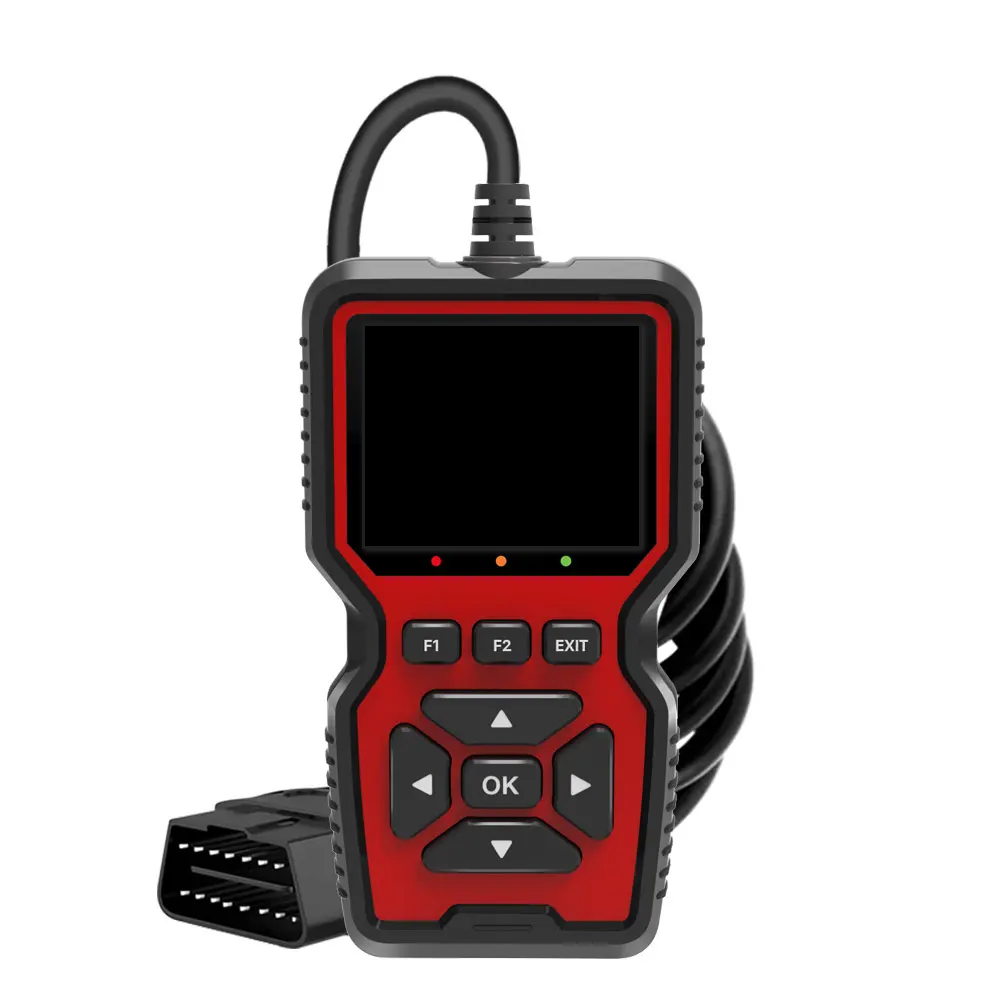
Diagnosing B1492 requires a methodical approach, utilizing a digital multimeter (DMM) and an OBD-II scan tool.
- Retrieve and Analyze Freeze Frame Data: Connect an OBD-II scan tool to extract code B1492 and any associated freeze frame data. This data captures engine parameters at the moment the DTC was set, which can provide valuable clues about the conditions under which the fault occurred.
- Perform a Thorough Visual Inspection:
- Carefully inspect the ignition lock cylinder area, steering column, and dash for any visible signs of damage, disconnected wires, or loose connectors pertaining to the ignition cylinder sensor.
- Trace the wiring harness from the ignition cylinder sensor to its respective control module (e.g., BCM, PCM, immobilizer unit). Look for signs of chafing, cuts, pinch points, or rodent damage.
- Inspect the electrical connectors at both ends of the sensor circuit for corrosion, bent pins, pushed-out terminals, or signs of moisture intrusion.
- Test Sensor Continuity/Resistance:
- Safety First: Disconnect the vehicle’s battery before performing resistance tests to prevent accidental short circuits or module damage.
- Locate the ignition cylinder sensor connector and disconnect it.
- Using a DMM set to ohms, measure the resistance across the sensor’s terminals. Refer to vehicle-specific service information for expected resistance values. An open circuit will typically register as infinite resistance (OL or “open line” on most DMMs), indicating an internal sensor failure.
- Test Wiring Harness Continuity:
- With the sensor disconnected and the relevant module connector also disconnected (if applicable for module-side testing), use the DMM set to continuity mode.
- Place one DMM lead on the sensor-side connector terminal and the other lead on the corresponding terminal at the module-side connector. A continuous tone or near-zero resistance indicates good continuity.
- An “open line” or infinite resistance confirms a break in the wiring. Wiggle the harness gently during this test to identify intermittent open circuits.
- Check for Power and Ground at Sensor Connector:
- Reconnect the battery. With the ignition ON (if the vehicle allows for this state with the fault present), use the DMM to check for proper reference voltage supply and ground at the ignition cylinder sensor connector.
- A missing power supply or ground can also lead to an “open circuit” symptom from the module’s perspective. Compare readings to manufacturer specifications.
- Review Service Bulletins: Check for any Technical Service Bulletins (TSBs) or recalls related to the ignition cylinder sensor or immobilizer system for the specific vehicle make and model, as manufacturers sometimes identify common issues.
Recommended Repairs and Solutions
Once the root cause of the B1492 code has been pinpointed through systematic diagnosis, the following repairs are typically performed:
- Repair or Replace Damaged Wiring: If an open circuit is identified in the wiring harness, the damaged section must be professionally repaired. This involves using automotive-grade solder and heat shrink tubing for secure, weather-tight connections, or replacing the affected section of the harness with a new pigtail. Ensure proper routing and securing of the wiring to prevent future damage.
- Replace Ignition Cylinder Sensor: If the ignition cylinder sensor itself tests as an open circuit or fails to provide the correct electrical characteristics per manufacturer specifications, it must be replaced. This procedure often requires disassembly of parts of the steering column and may necessitate specialized tools.
- Clean or Replace Corroded Connectors: If corrosion or damaged terminals are found, thoroughly clean the affected connectors using electrical contact cleaner and a small wire brush. For severely damaged or corroded connectors, replacement of the connector housing and its terminals (or the entire pigtail) is necessary to ensure a reliable electrical connection.
- Module Replacement (Rare): If all other components (wiring, sensor, power/ground) test correctly and the B1492 code persists, the control module (BCM, PCM, or immobilizer unit) could be at fault. This is a rare occurrence for an open circuit code and should only be considered after exhaustive testing of all other possibilities. Module replacement typically requires specialized programming and calibration using dealer-specific diagnostic tools.
Mechanic’s Tip: After any repair involving the ignition or immobilizer system, it is crucial to clear all Diagnostic Trouble Codes (DTCs) from the control modules. Furthermore, some vehicle manufacturers require specific key reprogramming or immobilizer system relearn procedures after component replacement to ensure proper functionality and security. Always refer to the vehicle’s factory service manual for these critical post-repair steps and thoroughly test the vehicle’s starting and anti-theft functions before returning it to service.