What Does Code B1494 Mean?
DTC B1494 signifies an electrical fault within the ignition cylinder sensor circuit, specifically indicating a Ground Short. The Engine Control Module (ECM) or Powertrain Control Module (PCM), which often works in conjunction with a Body Control Module (BCM) or Immobilizer Control Module for security functions, monitors the voltage signal from the ignition cylinder sensor. This sensor is typically integral to the vehicle’s anti-theft system or key detection mechanism, providing information about the key’s presence, position (e.g., ACC, ON, START), or identification. A ground short occurs when the sensor’s signal wire, or sometimes its power supply circuit, unintentionally makes direct electrical contact with the vehicle’s chassis ground or a dedicated ground wire. This abnormal connection causes the voltage signal the ECM/PCM expects to see from the sensor to drop significantly, often to near zero volts, deviating from its normal operating range. The ECM/PCM detects this out-of-range low voltage as an electrical short to ground and stores the B1494 code, indicating a critical fault in the security or starting subsystem.
Common Symptoms
- No-Start Condition: The vehicle may crank but not start, as the immobilizer system might not recognize the key or permit fuel/ignition delivery due to the sensor fault.
- Intermittent Starting Issues: The vehicle might start occasionally but then fail to start at other times, especially if the short is intermittent (e.g., due to vibration).
- Security or Immobilizer Light Illumination: The anti-theft or immobilizer warning lamp on the instrument cluster will typically illuminate, indicating a system malfunction.
- Reduced Engine Power or Stalling: In some systems, a security fault might put the vehicle into a ‘limp home’ mode or cause the engine to stall shortly after starting.
- Key Not Recognized: The vehicle’s security system may report that the inserted key is invalid or not recognized.
What Causes the Code B1494?
- Damaged Wiring Harness: The most common cause is a section of the ignition cylinder sensor’s wiring harness that has become chafed, pinched, or abraded. This damage allows the insulated wire, particularly the signal wire or a power wire, to make direct contact with a grounded metal component of the vehicle chassis or another ground wire.
- Faulty Ignition Cylinder Sensor: An internal electrical failure within the sensor itself can lead to a short to ground. This could be due to moisture intrusion, manufacturing defects, or physical damage causing internal components to bridge to the sensor’s casing or ground terminal.
- Corroded or Damaged Electrical Connector: Corrosion, moisture intrusion, or physical damage (e.g., bent or pushed-out pins, loose terminals) at the sensor’s electrical connector or at the ECM/PCM connector can create an unintended path to ground for the signal circuit.
How to Diagnose and Troubleshoot
Diagnosing B1494 requires systematic electrical circuit testing:
- Visual Inspection: Begin by thoroughly inspecting the ignition cylinder area, steering column, and associated wiring harnesses for any visible signs of damage, fraying, pinching, or corrosion. Pay close attention to the wiring exiting the steering column and going to the main harness. Check the ignition cylinder sensor’s electrical connector for signs of moisture, bent pins, pushed-out terminals, or loose connections.
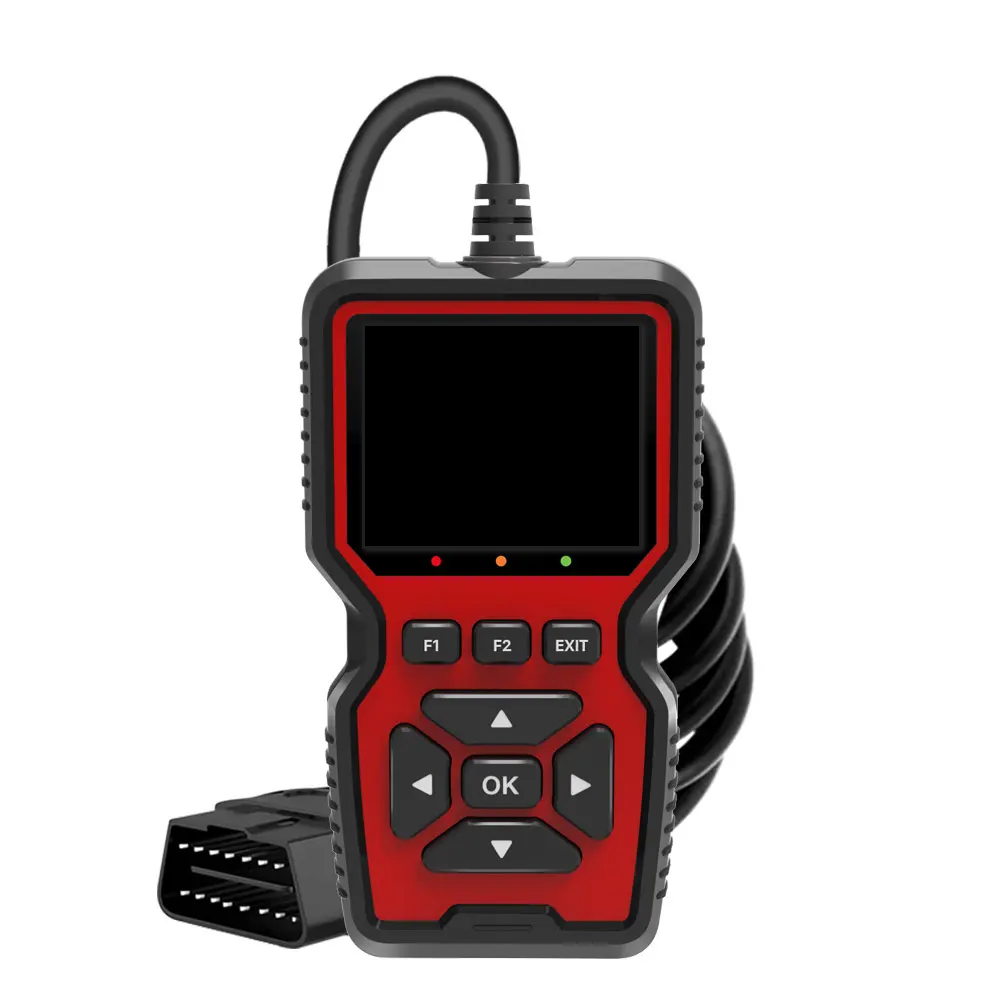
- Retrieve Freeze Frame Data: Use an OBD-II scanner to confirm the presence of B1494 and review any associated freeze frame data. This provides valuable information about engine conditions (e.g., engine RPM, vehicle speed) at the precise moment the code was set, which can be useful for diagnosing intermittent issues.
- Obtain Wiring Diagram: Acquire the specific wiring diagram for the ignition cylinder sensor circuit for your vehicle’s make, model, and year. Identify the sensor’s power supply, signal, and ground wires, and their respective pin locations at the sensor and control module.
- Perform Circuit Testing (Sensor Disconnected):
- Disconnect the ignition cylinder sensor’s electrical connector.
- Using a digital multimeter (DMM) set to resistance (ohms), perform a continuity test between the sensor’s signal wire terminal on the harness side and a known good chassis ground.
- If continuity exists (resistance reads near 0 ohms), it confirms a short to ground in the wiring harness. Systematically trace the harness, flexing it gently, to visually pinpoint the damaged area.
- While the connector is disconnected, also check the voltage on the power supply wire (if applicable) at the connector with the ignition in the ON position. Ensure it’s within manufacturer specifications (typically 5V or 12V).
- Verify the integrity of the ground wire by checking for good continuity to chassis ground (resistance near 0 ohms).
- Test the Sensor (if accessible and specifications available): If the wiring harness tests normal (no short to ground), the ignition cylinder sensor itself may be internally shorted. Some sensors can be tested for internal resistance or continuity between terminals according to manufacturer specifications. If the sensor exhibits a short to ground internally where it shouldn’t, it is faulty.
- Check Control Module Circuit (Advanced Step): If both the wiring harness and the sensor test good, and the problem persists, the fault could potentially lie within the control module (ECM/PCM/BCM/Immobilizer Module) or the internal wiring leading to it. This is less common but possible. Disconnect the control module’s connector (following proper procedures) and perform a continuity check from the ignition cylinder sensor signal wire at the control module’s connector to ground. If a short is still present, further module diagnosis or replacement may be necessary.
Recommended Repairs and Solutions
The appropriate repair depends directly on the diagnosis:
- Repair or Replace Damaged Wiring: If the diagnostic procedure identifies a damaged wiring harness as the source of the ground short, carefully repair the affected section. This involves meticulously splicing in new wire of the correct gauge, using high-quality soldering techniques, and insulating the repair with heat-shrink tubing. For extensive damage, consider replacing the entire harness section. Ensure all repaired wiring is properly routed and secured to prevent future damage.
- Replace Faulty Ignition Cylinder Sensor: If the ignition cylinder sensor is determined to be internally shorted, it must be replaced. Always use a new, OEM-quality replacement part to ensure proper function and compatibility with the vehicle’s security system.
- Repair or Replace Connector: If the issue is traced to a corroded or damaged electrical connector, repair the affected terminals (e.g., re-pinning) or replace the entire connector housing. Ensure all connections are clean, dry, and securely seated.
- Important Mechanics’ Tips:
- Always disconnect the vehicle’s battery terminals before performing any electrical repairs to prevent accidental shorts, damage to sensitive electronic components, or triggering of airbags.
- After replacing the ignition cylinder sensor, it is often necessary to perform a security system re-initialization procedure or key programming using a specialized diagnostic tool. This is because the ignition cylinder sensor is frequently an integral part of the vehicle’s immobilizer system, and the new component may need to be “learned” by the control modules. Refer to the manufacturer’s specific service manual for the exact programming procedure.
- Thoroughly clear all diagnostic trouble codes (DTCs) from the ECM/PCM memory after completing the repair. Perform an extended test drive under varying conditions to confirm the fix and ensure the B1494 code does not return.
- Properly secure all wiring and connectors after repair to prevent future issues from vibration or movement.