What Does Code B1523 Mean?
DTC B1523 signifies a general electrical malfunction within the Keyless Entry System (KES) circuit. This code is typically registered by the Body Control Module (BCM), which acts as the central electronic control unit for various body-related functions, including remote keyless entry. The BCM monitors the integrity and functionality of the KES receiver/transceiver module, its associated wiring harness, and its power/ground circuits. When the BCM detects an abnormal voltage reading, an open circuit, a short circuit (to ground or voltage), or an internal fault within the KES receiver/transceiver module, it sets code B1523. This indicates that the BCM is unable to properly communicate with the KES module or that the KES module itself is not operating within specified electrical parameters, thereby compromising the remote locking/unlocking, panic, and potentially remote start functions of the vehicle.
Common Symptoms
- Inoperable Remote Key Fob: The most prevalent symptom, where the key fob fails to lock, unlock, open the trunk, or activate the panic alarm.
- Intermittent Key Fob Functionality: The remote key fob may work sporadically or only at very close range.
- Absence of Remote Start Function: If the vehicle is equipped with a factory remote start system integrated with the KES, this function will likely be disabled.
- No Audible Response to Key Fob Input: Lack of typical horn chirps or light flashes when attempting to use the remote functions.
What Causes the Code B1523?
- Faulty Remote Keyless Entry (RKE) Receiver/Transceiver Module: Internal electronic failure or damage to the module responsible for receiving signals from the key fob.
- Damaged Wiring Harness: An open circuit, short to ground, or short to voltage in the wiring connecting the RKE module to the BCM, power source, or ground. This could be due to chafing, corrosion, or accidental damage.
- Corroded or Loose Electrical Connectors: Poor connection integrity at the RKE module, BCM, or inline connectors due to moisture intrusion or vibration.
- Blown Fuse: A fuse protecting the RKE module circuit or the BCM’s internal RKE control circuitry may be open.
- Faulty Body Control Module (BCM): While less common, an internal failure within the BCM’s keyless entry control logic or communication circuitry can trigger this code.
- Antenna Circuit Malfunction: In some systems, a separate antenna circuit provides signal reception; damage to this circuit or the antenna itself can cause failure.
How to Diagnose and Troubleshoot
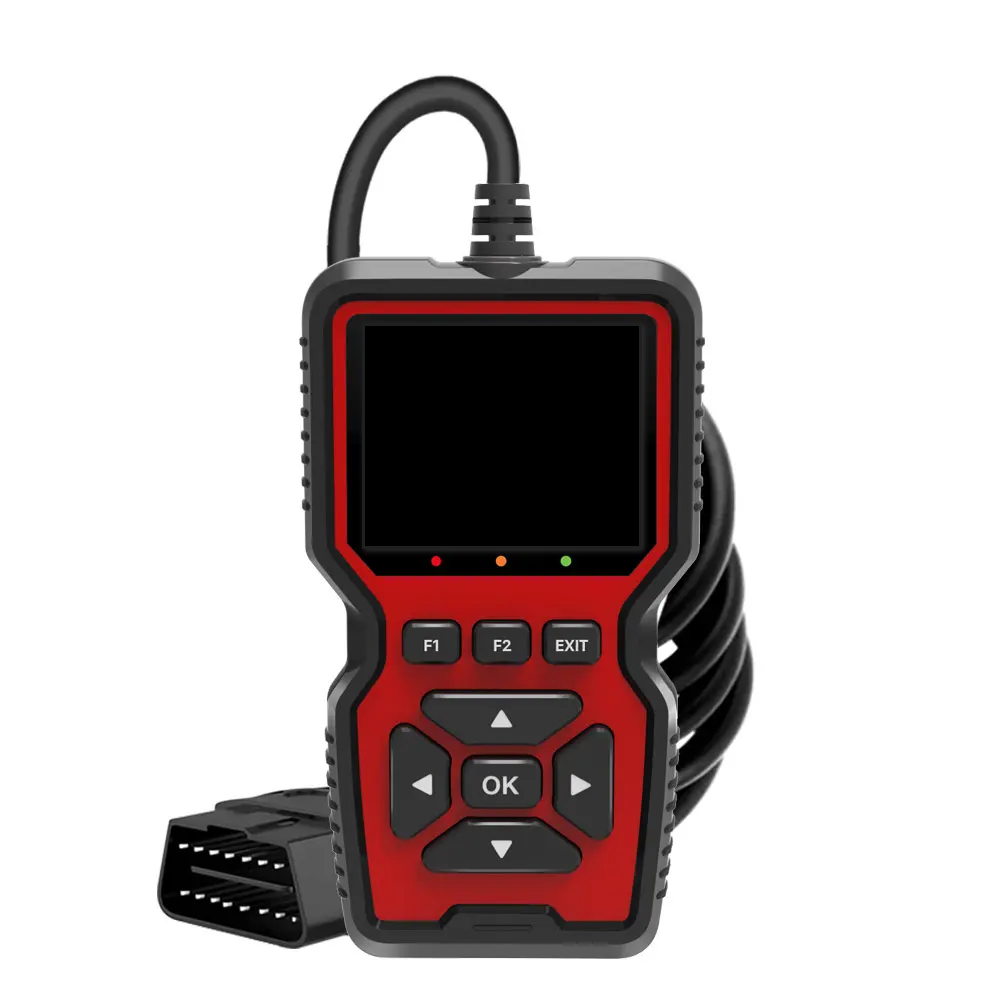
Diagnosis of B1523 requires a methodical approach, utilizing an OBD-II scanner capable of reading B-codes and a digital multimeter (DMM).
- Verify DTC and Gather Freeze Frame Data: Connect an advanced diagnostic scan tool to retrieve DTC B1523 and any associated freeze frame data. This data provides insights into the vehicle’s operating conditions when the fault was detected, which can be crucial for intermittent issues.
- Perform a Thorough Visual Inspection: Carefully inspect the RKE receiver module (its location varies by vehicle, often found under the dash, in the headliner, or in the trunk area) and its entire wiring harness for signs of physical damage, corrosion, loose connections, or chafing. Pay close attention to areas prone to moisture ingress or mechanical stress.
- Check Relevant Fuses: Consult the vehicle’s wiring diagrams or owner’s manual to identify all fuses associated with the RKE system and the BCM. Use a DMM to test for continuity across each fuse. Replace any blown fuses, but be aware that a blown fuse often indicates an underlying short circuit that must be rectified.
- Verify Power and Ground at the RKE Module: Disconnect the RKE receiver module connector. Using a wiring diagram, identify the power supply and ground pins. With the ignition in the “ON” position, use a DMM to measure voltage between the power supply pin(s) and a known good chassis ground. Expect battery voltage (approximately 12V). Then, measure resistance between the ground pin(s) and chassis ground, expecting less than 5 ohms. Repair any open or short circuits in the power or ground supply as necessary.
- Test Communication Bus Integrity (if applicable): If the RKE module communicates with the BCM via a data bus (e.g., CAN bus, LIN bus), use the DMM or an oscilloscope to check the bus line voltage levels and signal integrity according to vehicle specifications. A professional scan tool may also be able to perform network tests.
- Utilize Scan Tool Bi-directional Controls: If the RKE module has power and ground, use a sophisticated scan tool to attempt bi-directional control functions, such as commanding door locks or reading live data from the RKE module. Inability to communicate or command functions via the scan tool suggests an internal module fault or a communication line issue.
- Isolate and Test the RKE Module: If all wiring and power/ground checks pass, and the module still fails to respond, the RKE receiver/transceiver module itself is the primary suspect.
Recommended Repairs and Solutions
Addressing DTC B1523 typically involves repairing or replacing the component identified during the diagnostic process.
- Repair Wiring or Connectors: If the diagnosis reveals damaged wiring (open, short, or high resistance) or corroded/loose connectors, meticulously repair the affected sections using appropriate automotive wiring repair techniques (e.g., solder and heat shrink, proper crimp connectors). Ensure all connections are secure and weatherproofed.
- Replace Blown Fuses: If a blown fuse is found, replace it only after identifying and resolving the root cause of the overload or short circuit that led to its failure. Simply replacing a fuse without addressing the underlying issue will likely result in a repeat failure.
- Replace Remote Keyless Entry (RKE) Receiver/Transceiver Module: If testing confirms an internal fault within the RKE module, it must be replaced. Critical Note: After replacement, the new RKE module often requires programming or “coding” to the vehicle’s BCM and immobilizer system using a specialized diagnostic tool. Additionally, all existing key fobs will typically need to be re-programmed to the new module.
- Address Water Intrusion: If corrosion or damage is linked to water intrusion, identify and repair the source of the leak (e.g., faulty door seals, clogged sunroof drains) to prevent future component failures. Thoroughly dry out and clean any affected areas.
- Replace Body Control Module (BCM): BCM replacement should be considered only as a last resort, after all other potential causes have been thoroughly ruled out. BCM replacement is complex, expensive, and requires extensive programming and configuration to the vehicle’s specific options and VIN.
- Clear DTCs and Validate Repair: After performing any repairs, clear the B1523 DTC using the scan tool. Then, operate the remote keyless entry functions multiple times, at varying distances, to confirm the repair is successful and the code does not return.