What Does Code B1526 Mean?
DTC B1526 indicates that the vehicle’s Body Control Module (BCM) or Remote Function Actuator (RFA) module, which typically manages the keyless entry system, has detected a short circuit to ground within one of its monitored keyless entry system circuits. This code signifies an electrical fault where a wire or component intended to carry a signal or power to a keyless entry component (such as a remote key fob receiver, antenna, or door lock actuator control circuit) is inadvertently making contact with the vehicle’s chassis ground. The BCM/RFA monitors these circuits for expected voltage levels or current draws. When a short to ground occurs, the module detects an abnormally low voltage or an excessive current draw on the affected circuit, triggering the diagnostic trouble code and often disabling the associated keyless entry functions to prevent further damage or parasitic battery drain.
Common Symptoms
- Keyless entry remote control not functioning or functioning intermittently.
- Passive entry system (if equipped) failing to unlock doors when the key fob is near.
- Door locks failing to respond to remote commands (lock/unlock).
- Illumination of a warning light on the instrument cluster, such as “Key Fob Not Detected” or a generic system malfunction indicator.
- Security system irregularities or activation issues.
- Possible parasitic battery drain if the short to ground is continuously drawing current.
- No audible feedback (e.g., horn chirp, lights flash) upon locking/unlocking with the remote.
What Causes the Code B1526?
- Damaged Wiring Harness: Chafed, pinched, or cut insulation on a wire within the keyless entry circuit, causing the conductor to make direct contact with the vehicle’s metal chassis or another ground source. This is particularly common in door jambs, under seats, or in the trunk lid where wiring frequently flexes or is exposed to movement.
- Corroded Connectors: Corrosion within electrical connectors, either at the BCM/RFA, the keyless entry receiver, antenna, or a door lock actuator, can create a low-resistance path to ground.
- Faulty Keyless Entry System Component: An internal short circuit within a keyless entry system component, such as the remote receiver module, an antenna, or a door lock actuator, can cause the circuit it’s connected to to short to ground.
- Water Intrusion: Water entering a wiring harness or connector can bridge electrical paths, leading to a short circuit to ground.
- Improperly Installed Aftermarket Accessories: Poorly installed aftermarket alarm systems, remote starters, or audio equipment that tap into the vehicle’s electrical system can inadvertently short keyless entry circuits.
How to Diagnose and Troubleshoot
Diagnosis of B1526 requires systematic electrical testing and visual inspection:
- Perform a Thorough Visual Inspection: Begin by visually inspecting the wiring harnesses and connectors associated with the keyless entry system. Pay close attention to areas where wires pass through door jambs, body panels, or are routed under carpeting or seats. Look for signs of chafing, pinching, cuts, corrosion, or any other physical damage. Inspect all relevant fuse boxes for blown fuses, though a short to ground might not always blow a fuse if the resistance is high enough.
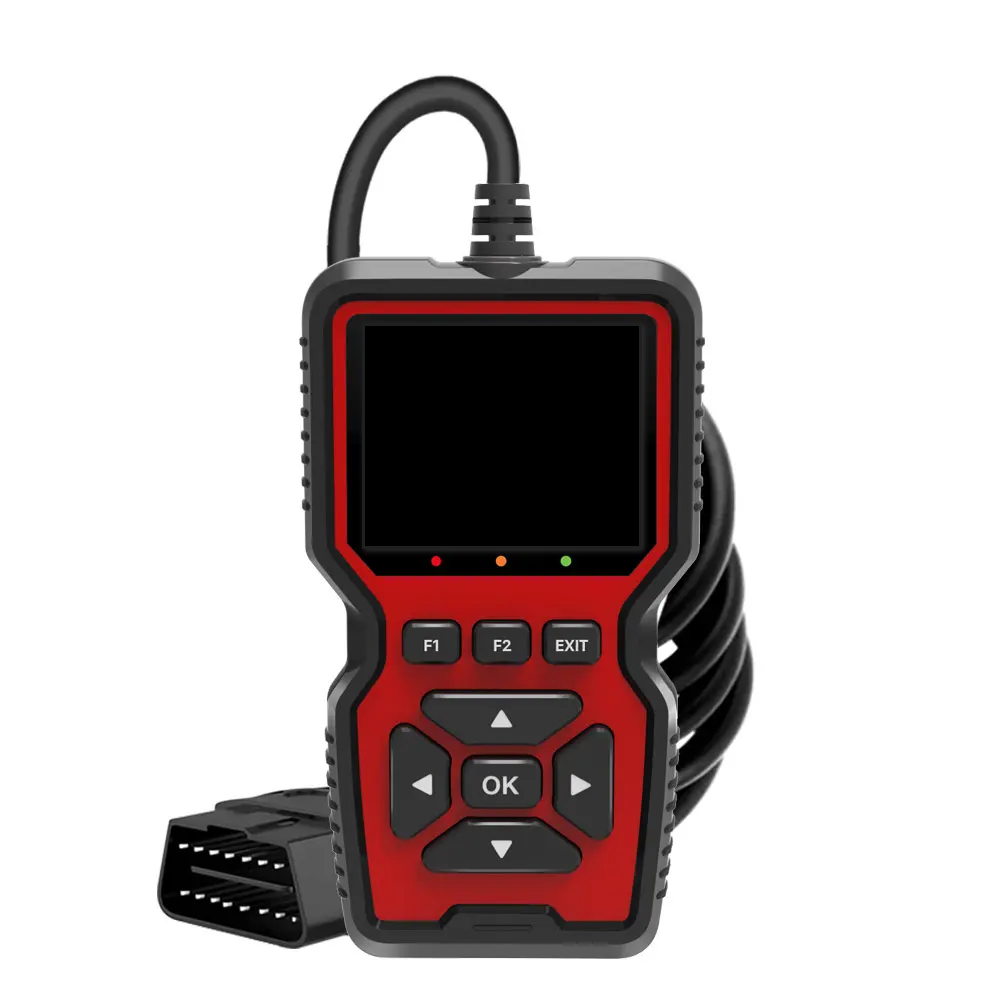
- Utilize an OBD-II Scanner: Connect a professional-grade OBD-II scanner to retrieve freeze frame data associated with B1526. This data can provide valuable information about engine speed, vehicle speed, and other parameters when the code was set, which may help in replicating the fault. Clear the code and attempt to operate the keyless entry system to see if the code immediately returns.
- Obtain Manufacturer Wiring Diagrams: Access manufacturer-specific service information and wiring diagrams for your vehicle. These diagrams are critical for identifying the specific circuits involved in the keyless entry system, their pinouts at the BCM/RFA, and the location of all associated components.
- Perform Digital Multimeter (DMM) Testing:
- Isolate the Circuit: Disconnect the vehicle’s battery to prevent damage during resistance testing. Unplug the BCM/RFA module’s connector(s) that supply power or signal to the affected keyless entry circuit(s) as indicated by the wiring diagram.
- Resistance Test to Ground: Using a DMM set to resistance (ohms), test between the suspect wire’s pin at the unplugged BCM/RFA connector and a known good chassis ground point. A reading close to 0 ohms indicates a direct short to ground. If the resistance is very low, proceed to isolate the short.
- Component Isolation: With the battery still disconnected and the BCM/RFA unplugged, systematically disconnect each keyless entry system component (e.g., remote receiver, individual door lock actuators, antennas) from its harness connector. After disconnecting each component, retest the suspect wire at the BCM/RFA connector for continuity to ground. When the short to ground disappears (resistance goes to infinity or a very high value), the last disconnected component or the wiring segment leading to it is the source of the short.
- Voltage Drop Test (Optional for Intermittents): If the short is intermittent, reconnect all components and the battery. Using the DMM, back-probe the suspect circuit at the BCM/RFA and monitor the voltage while manipulating wiring harnesses, opening/closing doors, and activating the keyless entry system. A sudden drop to 0V or significantly lower than expected voltage indicates an intermittent short to ground.
- Power Probe/Fuse Testing: For confirmed shorts, a power probe can be used cautiously (or a circuit breaker instead of a fuse) to apply momentary power to the suspected shorted circuit while listening or feeling for heat at the point of contact to ground. This method requires extreme care to avoid component damage.
Recommended Repairs and Solutions
Once the source of the short to ground is identified, the repair process typically involves:
- Wiring Repair/Replacement: If damaged wiring is the cause, the affected section of the harness should be repaired. This often involves cutting out the damaged section, splicing in new wire of the correct gauge, soldering the connections, and sealing them with marine-grade heat shrink tubing to prevent future corrosion. If the damage is extensive, replacing the entire wiring sub-harness may be necessary. Ensure the repaired harness is routed and secured properly to prevent re-chafing.
- Connector Cleaning or Replacement: If corrosion in a connector is the culprit, carefully clean the connector terminals with an electrical contact cleaner and a small brush. If the corrosion is severe or the terminals are damaged, the connector body and/or terminals should be replaced.
- Component Replacement: If an internal short within a keyless entry component (e.g., remote receiver, door lock actuator, antenna) is diagnosed, that specific component must be replaced. After replacement, ensure all electrical connections are secure and free of contamination.
- BCM/RFA Module Replacement: In rare cases, the BCM or RFA module itself may have an internal short circuit. If all external wiring and components are verified good, and the short is traced back to the module’s internal circuitry, the module will require replacement. Note that module replacement often necessitates specialized programming or coding using a factory-level scan tool to integrate it with the vehicle’s immobilizer and other systems.
- Post-Repair Verification: After performing the repair, clear all DTCs using an OBD-II scanner. Operate the keyless entry system repeatedly, testing all functions (lock, unlock, trunk release, panic) to confirm proper operation and ensure the B1526 code does not return. If a parasitic drain was present, re-perform a parasitic draw test to confirm the current draw is within specifications.