What Does Code B1550 Mean?
DTC B1550 signifies that the vehicle’s Body Control Module (BCM) or a dedicated Door Control Module (DCM) has detected a short circuit to ground within the primary control circuit for the power window master switch. In modern automotive architectures, the BCM or DCM acts as the central control unit for various body electrical functions, including power windows. This module continuously monitors the voltage and current draw on critical circuits. When a short to ground occurs in the master window switch circuit, the BCM/DCM registers an abnormally low voltage reading or an excessive current draw that exceeds its programmed parameters for normal operation. The “master circuit” typically refers to the main power feed or a critical signal line that originates from the BCM/DCM and supplies or communicates with the driver’s side master power window switch, which in turn controls all other windows in the vehicle. This fault condition impedes the BCM/DCM’s ability to send proper commands or receive correct feedback, leading to impaired or complete loss of power window functionality.
Common Symptoms
- Power windows are inoperative (all windows, or specific windows controlled by the master switch).
- Intermittent operation of power windows.
- The master power window switch becomes unresponsive.
- Blown fuses specifically designated for the power window system or the BCM/DCM.
- Battery drain (if the short is continuous and significant, leading to parasitic draw).
- Illumination of the “Check Engine” light or other warning indicators (less common for BCM codes, but possible depending on vehicle integration).
What Causes the Code B1550?
- Damaged Wiring Harness: The most common cause is a chafed, pinched, or severed wire within the wiring harness, particularly where it passes through the driver’s door jamb boot (flex area) or where it connects to the master switch. This damage allows the wire to make direct contact with the vehicle’s chassis or other ground source.
- Faulty Master Power Window Switch: An internally shorted master power window switch can create a direct path to ground within its internal circuitry, leading to the B1550 code. This can be due to wear, moisture intrusion, or manufacturing defects.
- Corrosion or Water Intrusion: Exposure to moisture can cause corrosion within the master switch connector or the switch itself, creating unintended conductive paths, including shorts to ground.
- Short Circuit in an Associated Component: While “master circuit” usually points to the switch or its direct feed, a short in a component directly powered by or signaling through the master circuit (e.g., a window motor with internal wiring issues, though less common for B1550) could theoretically trigger the code.
- Faulty Body Control Module (BCM) or Door Control Module (DCM): Although rare, an internal fault within the BCM or DCM could incorrectly register a short to ground or genuinely cause one through an internal component failure.
How to Diagnose and Troubleshoot
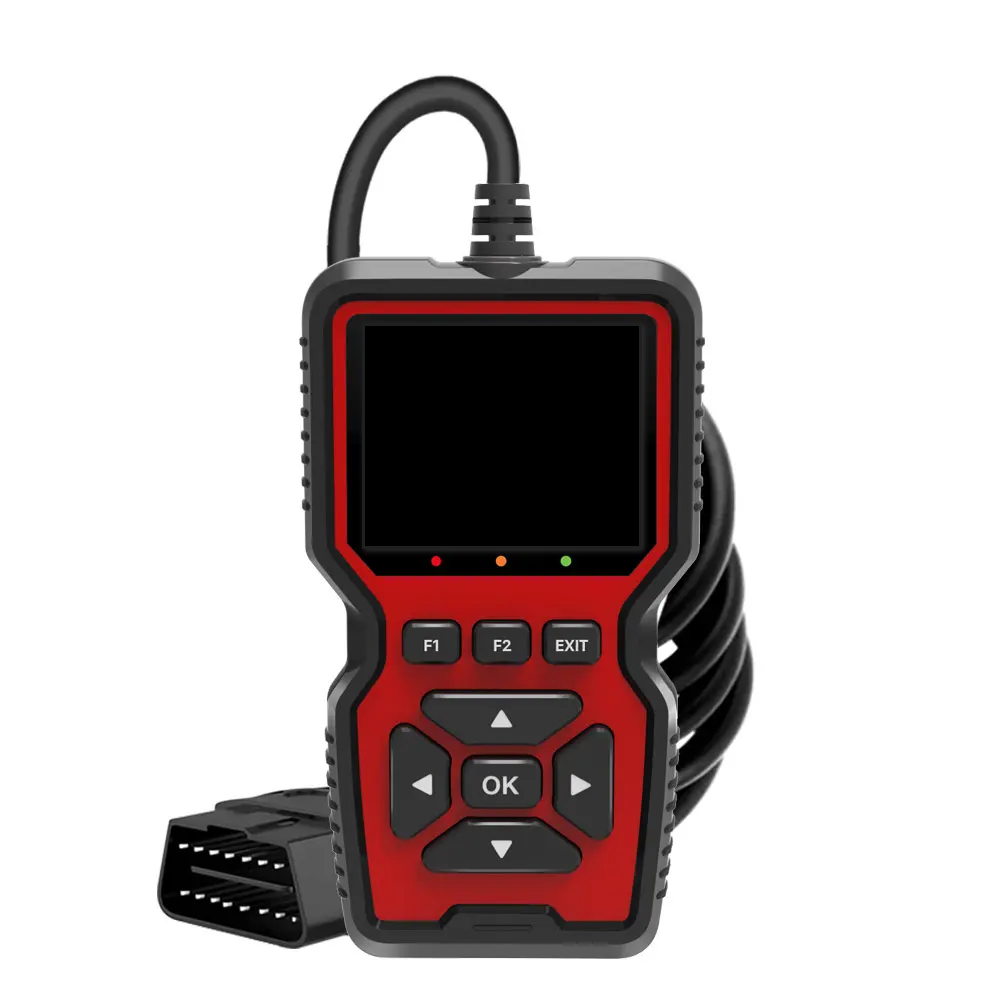
Diagnosing B1550 requires a systematic approach, utilizing an advanced OBD-II scanner and a digital multimeter (DMM).
- Initial Inspection and Fuse Check:
- Begin by visually inspecting the master power window switch for any signs of physical damage or excessive wear.
- Carefully examine the wiring harness where it passes through the driver’s door jamb boot, as this area is prone to wire fatigue and damage from repeated door opening and closing. Look for chafed, pinched, or exposed wires.
- Check all fuses related to the power window system, the BCM, and the door modules. A blown fuse often indicates a severe short. Replace any blown fuses for diagnostic purposes, noting if they blow immediately again.
- Scan Tool Analysis:
- Connect an advanced OBD-II scan tool capable of communicating with the BCM/DCM. Confirm the presence of B1550 and check for any related or accompanying codes.
- Access live data for the BCM/DCM, if available, to monitor power window switch inputs, output commands, and circuit voltages/currents. This can sometimes provide clues about the circuit’s state.
- Isolating the Master Switch:
- With the ignition OFF, disconnect the electrical connector from the master power window switch on the driver’s door.
- If a fuse was blowing, replace it and re-check. If the fuse no longer blows, the short is likely within the master switch itself.
- Using your DMM set to ohms, test the resistance between the power/signal input terminal(s) of the disconnected master switch (refer to wiring diagram) and a known good chassis ground. A reading close to 0 ohms indicates an internal short within the switch.
- Wiring Harness Testing (If short is not in the switch):
- If the short persists after disconnecting the master switch (i.e., the fuse still blows, or DMM test on the harness side shows a short to ground), the issue is in the wiring between the BCM/DCM and the master switch connector.
- Obtain the vehicle’s wiring diagram to identify the specific wire(s) corresponding to the master power window circuit.
- With the BCM/DCM connector also disconnected, perform a resistance test on the suspect wire(s) at the master switch connector (harness side) to a known good chassis ground. A reading near 0 ohms confirms a short to ground in that wire.
- Visually trace the identified wire(s) from the master switch connector back towards the BCM/DCM, paying close attention to any areas where the harness might be pinched, rubbed, or exposed.
- Perform continuity tests on the identified wire(s) from the BCM/DCM connector to the master switch connector to ensure there are no open circuits in addition to the short.
- Component Testing (If necessary):
- If the wiring and master switch test good, and you suspect an issue further downstream that is impacting the master circuit (unlikely for a B1550, but possible in complex systems), systematically disconnect other components on the circuit, such as individual window motors or relays, and re-test for the short after each disconnection to isolate the faulty component.
Recommended Repairs and Solutions
Once the source of the B1550 code has been accurately identified, the following repairs are typically recommended:
- Repair or Replace Damaged Wiring: If damaged wiring is found, the most durable repair involves cutting out the compromised section, splicing in new wire of the correct gauge, soldering the connections, and insulating with heat-shrink tubing. Avoid simply taping over exposed wires, as this is not a permanent solution. For extensive damage, replacement of the entire door harness may be necessary. Ensure proper routing and securement of the harness to prevent future damage.
- Replace Faulty Master Power Window Switch: If diagnostic steps confirm an internal short within the master switch, replacement is required. Always use an OEM or high-quality aftermarket replacement part to ensure proper fitment and functionality. Some vehicles may require a window motor or switch “re-learn” procedure after replacement; consult the service manual.
- Clean and Repair Corroded Connectors: If corrosion is present in connectors, disconnect the battery, then carefully clean the terminals using electrical contact cleaner and a small brush. If corrosion is severe and has damaged the terminals, the connector housing or individual pigtail terminals may need to be replaced. Apply dielectric grease to the terminals before reassembly to prevent future corrosion.
- Replace Shorted Associated Components: In the less likely event that a specific window motor, relay, or other component directly causing a short on the master circuit is identified, replace that component.
- BCM/DCM Replacement (Last Resort): Only consider replacing the BCM or DCM if all other potential causes have been thoroughly ruled out and evidence points to an internal module failure. This is often a costly repair and may require programming or coding by a dealership or specialist with appropriate tools.
- Post-Repair Verification: After completing any repairs, clear the DTCs using your scan tool. Operate all power windows multiple times in all directions to ensure full functionality and verify that the B1550 code does not return.