What Does Code C1205 Mean?
DTC C1205 indicates a detected electrical malfunction within the circuit for the Rear Outlet Valve Coil of the Anti-lock Braking System (ABS). Specifically, the ABS Control Module (often integrated within the Hydraulic Control Unit, or HCU) has identified a short circuit to ground in this specific solenoid valve’s control wiring or within the valve coil itself. The rear outlet valve is a critical component of the ABS system, responsible for modulating brake fluid pressure to the rear wheel brake calipers/cylinders during an ABS event. When activated, this solenoid valve opens to allow brake fluid to release pressure from a wheel, preventing wheel lock-up. The ABS Control Module continuously monitors the electrical characteristics (current, voltage, resistance) of these solenoid circuits. A short to ground signifies an unintended, low-resistance path to the vehicle’s chassis ground, which results in an abnormal current draw or an incorrect voltage signal, exceeding predefined diagnostic thresholds set by the manufacturer. Upon detection, the ABS module will typically disable the ABS function, illuminate the ABS warning light on the instrument cluster, and store this diagnostic trouble code.
Common Symptoms
- Illumination of the ABS Warning Light on the instrument panel.
- Illumination of the Traction Control System (TCS) Warning Light (if equipped, as TCS relies on ABS components).
- Potential inability of the ABS system to function correctly during emergency braking, leading to wheel lock-up.
- Firm or spongy brake pedal feel (less common unless the short affects a critical ground or power supply impacting other components).
- In rare cases, related dashboard lights may illuminate due to shared system components or communication issues.
What Causes the Code C1205?
- Damaged or Chafed Wiring Harness: The wiring leading to the rear outlet valve coil within the ABS Hydraulic Control Unit (HCU) may be physically damaged, corroded, or pinched, causing an insulation breach and direct contact with chassis ground.
- Faulty ABS Hydraulic Control Unit (HCU): The most common cause. The solenoid coil for the rear outlet valve, which is an integral part of the HCU, may have an internal short to its metal housing or an internal ground, leading to the code.
- Corroded or Damaged Connector: The electrical connector connecting the main wiring harness to the ABS HCU may suffer from corrosion, bent pins, or poor terminal tension, creating an intermittent or permanent short circuit path.
- Contamination or Water Intrusion: Water, road salt, or other contaminants can enter the HCU or its electrical connectors, leading to internal or external short circuits.
- Improper Grounding: While less direct for a “short to ground” on a specific circuit, a compromised main ground for the ABS module could cause irregular voltage readings and misinterpretations, though this is rare for a specific valve coil fault.
How to Diagnose and Troubleshoot
Diagnosis of C1205 requires meticulous electrical testing and visual inspection. Always begin by clearing the code and performing a test drive to confirm the code reappears, ensuring it’s not an intermittent historical fault.
- Visual Inspection:
- Inspect the entire wiring harness leading to the ABS Hydraulic Control Unit (HCU) for any signs of physical damage, chafing, corrosion, or pinching, especially where it passes through grommets or near sharp metal edges.
- Carefully examine the electrical connector at the ABS HCU for bent pins, corrosion, pushed-out terminals, or poor seating. Clean any visible corrosion with electrical contact cleaner.
- Check for signs of water intrusion or foreign debris in and around the HCU and its connectors.
- Electrical Testing with a Digital Multimeter (DMM):
- Isolate the Circuit: Disconnect the main electrical connector from the ABS HCU. This isolates the HCU from the vehicle’s wiring harness for testing.
- Test for Short to Ground in Harness: Using a DMM set to continuity or resistance mode, probe the specific wire terminal corresponding to the rear outlet valve coil circuit (consult vehicle-specific wiring diagrams for pin identification) at the harness side of the connector. Place the other DMM lead on a known good chassis ground. There should be infinite resistance (open circuit). If you read very low resistance (near 0 ohms), the short is in the vehicle’s wiring harness.
- Test for Short to Ground in HCU (Solenoid Coil): With the HCU connector still disconnected, switch the DMM to resistance (ohms) mode. Probe the pin on the HCU side of the connector corresponding to the rear outlet valve coil. Place the other DMM lead on the metal housing of the HCU (a known ground point). A properly functioning solenoid coil should show a relatively high resistance (e.g., several ohms to several hundred ohms, specific to manufacturer specifications) or infinite if isolated from ground. If you measure very low resistance (near 0 ohms), the internal solenoid coil within the HCU is shorted to ground.
- Resistance of the Coil Itself: If the valve coil circuit is designed as a direct feed from the module to the coil, measure the resistance across the two terminals of the rear outlet valve coil directly at the HCU connector (if two terminals are dedicated to the coil). Compare this reading to manufacturer specifications. An internal short to ground might also manifest as an abnormally low resistance reading or a direct short to the HCU casing.
- Power and Ground Checks: While less likely to directly cause a C1205, verify proper power and ground supply to the ABS HCU by checking voltage at the main power pins and continuity at the main ground pins of the harness connector (with the connector still disconnected from the HCU).
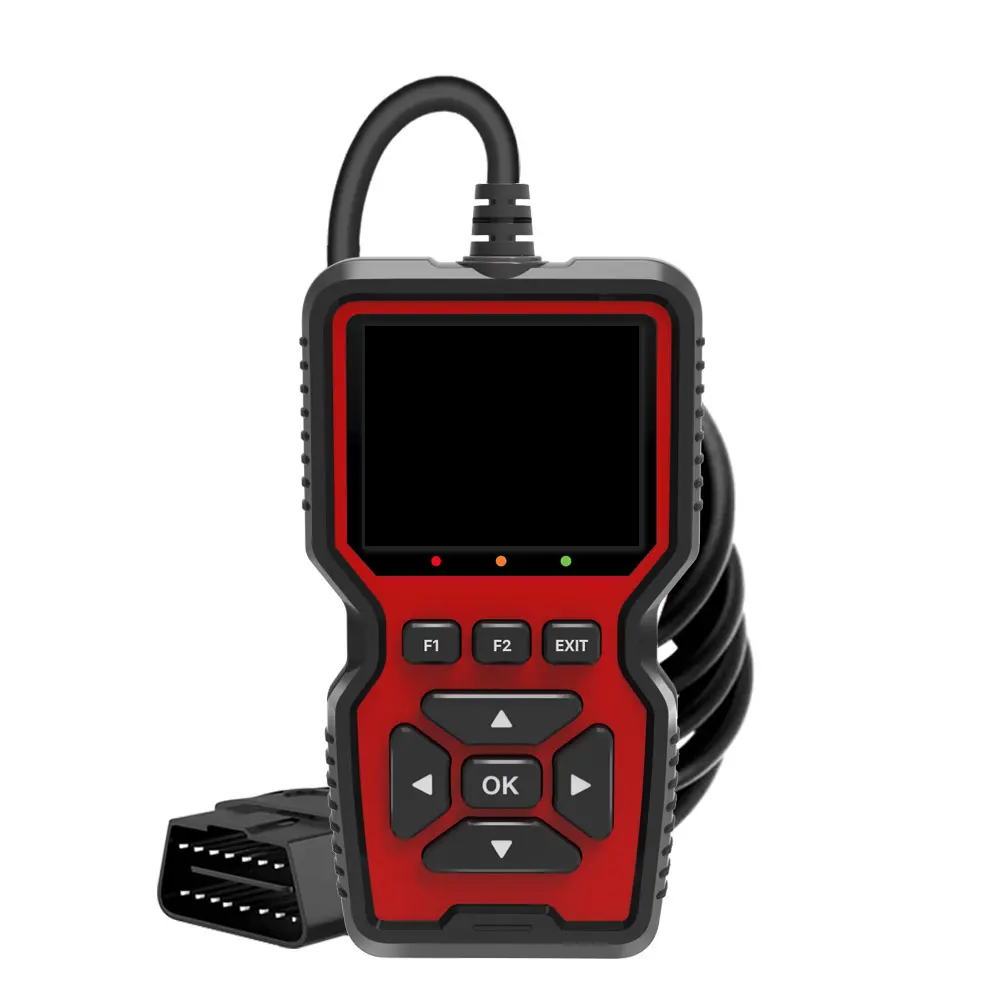
- OBD-II Scanner with Bi-Directional Control (If Available):
- Some advanced scan tools allow for bi-directional control, enabling the technician to actuate individual ABS solenoids. If the scan tool attempts to command the rear outlet valve to open/close and reports a circuit fault, it further confirms the issue within the valve or its circuit. However, a hard short to ground might prevent any successful actuation or even attempt by the module.
Recommended Repairs and Solutions
The repair strategy for C1205 is dictated by the diagnostic findings:
- Repair or Replace Damaged Wiring: If the diagnostic steps identify a short to ground within the vehicle’s wiring harness, carefully repair the damaged section of wire using appropriate soldering techniques and heat-shrink tubing, or replace the affected segment of the harness. Ensure proper routing and protection to prevent future damage.
- Clean or Replace Corroded Connectors: If corrosion or poor terminal tension is found in the ABS HCU connector, clean the terminals thoroughly with electrical contact cleaner and a small brush. If the damage is severe, replace the connector or affected terminals. Apply dielectric grease to prevent future corrosion.
- Replace the ABS Hydraulic Control Unit (HCU): This is the most common resolution for C1205, as the rear outlet valve coil is typically an integral, non-serviceable component of the HCU. If testing confirms an internal short within the HCU’s solenoid coil, the entire ABS HCU will need to be replaced.
- Mechanic’s Tip: When replacing the HCU, be prepared to bleed the entire brake system thoroughly, as air will be introduced into the brake lines. Some vehicles may require a specialized scan tool to perform an automated ABS bleed procedure.
- Mechanic’s Tip: After replacing the HCU, ensure all electrical connections are secure and clear the DTCs from the ABS module. Perform a road test to verify ABS functionality and confirm the code does not return.
- Address Grounding Issues: If an atypical main ground issue was identified (which is rare for this specific code), clean and secure all ground points related to the ABS module and HCU.