What Does Code C1267 Mean?
DTC C1267 signifies that the Anti-lock Braking System (ABS) Control Module, also known as the Electronic Brake Control Module (EBCM) or ABS ECU, has detected an internal malfunction or a critical operational fault that compels it to temporarily disable the ABS functions. This code indicates a system-level integrity issue rather than a specific component failure like a wheel speed sensor. The EBCM, through its internal diagnostics, has determined that it cannot reliably or safely perform its anti-lock braking, traction control, or stability control duties, and as a protective measure, it deactivates these systems. This typically means the EBCM’s internal processors, memory, or critical circuits are compromised, or its essential power, ground, or communication links are unstable, preventing it from executing its algorithms or commanding the hydraulic control unit effectively. The affected subsystems are primarily the ABS, Traction Control System (TCS), and Electronic Stability Control (ESC) / Stability Control System (SCS), all of which are governed by the EBCM.
Common Symptoms
- ABS Warning Light Illuminated: The primary indicator, signaling a fault within the ABS system.
- Traction Control Warning Light Illuminated: Often illuminates concurrently with the ABS light, as TCS is integrated with the ABS module.
- Stability Control Warning Light Illuminated: If equipped, the ESC/SCS light will also illuminate due to the ABS module’s disabling.
- Conventional Braking Only: The vehicle’s braking system will revert to standard, non-ABS operation. Under hard braking, wheels may lock up.
- Absence of ABS Pulsation: During emergency braking, the characteristic pedal pulsation associated with ABS activation will not be felt.
- Potentially Stiff Brake Pedal: In some cases, depending on the internal fault, hydraulic flow might be affected, leading to a firmer-than-normal brake pedal feel, though this is less common for C1267 specifically.
What Causes the Code C1267?
- Internal ABS Control Module (EBCM) Failure: This is the most prevalent cause. It can involve internal circuit board defects, processor malfunctions, corrupted firmware/software, or component failures within the module itself.
- Intermittent or Insufficient Power Supply to the ABS Module: Corroded terminals, loose connections, or a failing power relay can lead to inadequate voltage reaching the EBCM, causing it to self-disable.
- Poor Ground Connection for the ABS Module: A compromised ground circuit can disrupt the EBCM’s operation and lead to internal diagnostic failures.
- CAN Bus Communication Disruption: While less common for C1267 which implies an internal module decision, severe or intermittent communication errors on the Controller Area Network (CAN) bus between the EBCM and other critical modules (ECM, BCM) could be misinterpreted by the EBCM as an internal fault, causing it to disable itself due to perceived system integrity loss.
- Hydraulic Control Unit (HCU) Valve Malfunction (internal to the ABS module): Sticking or internally faulty ABS solenoid valves within the hydraulic unit integrated with the EBCM can sometimes trigger this code if the EBCM detects an inability to control hydraulic pressure.
How to Diagnose and Troubleshoot
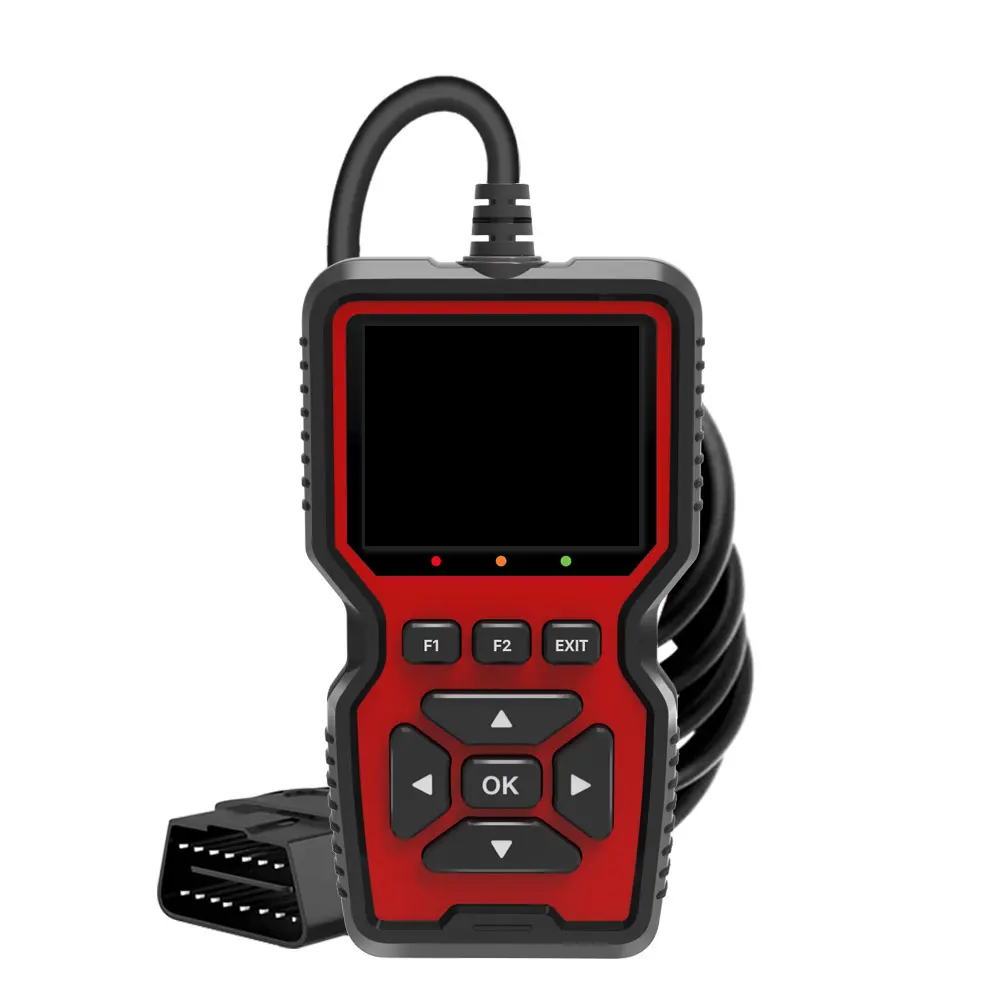
Diagnosis of C1267 requires meticulous inspection and the use of an advanced diagnostic scanner capable of communicating with the ABS module.
- Perform a Comprehensive Scan: Connect an advanced OBD-II scanner (not just a generic code reader) capable of communicating with all vehicle modules. Check for current, pending, and historical codes not only in the ABS module but also in the Engine Control Module (ECM), Body Control Module (BCM), and Transmission Control Module (TCM). Note any additional codes, especially those related to communication or power supply.
- Visual Inspection of ABS Module Wiring and Connectors: Carefully inspect the wiring harness leading to the ABS control module. Look for any signs of physical damage, chafing, corrosion on the terminals, or loose connections. Pay close attention to the main power and ground wires.
- Verify Power and Ground Supply to the ABS Module:
- With the ignition OFF, use a Digital Multimeter (DMM) to check for constant battery voltage at the appropriate power supply pins of the ABS module connector (consult the vehicle’s wiring diagram).
- With the ignition ON, verify the ignition-switched power supply.
- Perform a voltage drop test on both the power and ground circuits while the ABS module is connected and the ignition is ON. A voltage drop exceeding 0.2V on either circuit indicates excessive resistance. Clean and tighten connections or repair wiring as necessary.
- Inspect CAN Bus Integrity (if communication issues are suspected): If the scanner reports “Lost Communication with ABS Module” alongside C1267, perform a resistance check of the CAN bus lines. With the battery disconnected, measure resistance between CAN High and CAN Low at the EBCM connector. Expect approximately 60 ohms, indicating proper termination resistors. Inspect for open circuits or shorts to ground/power.
- Monitor Live Data (if scanner permits communication): If the scanner can still communicate with the ABS module despite the code, monitor parameters like wheel speed sensor readings (even if no specific sensor code is present), brake pedal position sensor input, and ABS pump motor status. Look for any erratic or implausible data that might be confusing the EBCM, though C1267 often indicates the module has internally decided to disable before data becomes critically wrong.
- Perform Manufacturer-Specific Diagnostic Tests: Many advanced scanners and OEM diagnostic tools offer specific bidirectional control tests or self-tests for the ABS module. Attempt to initiate these tests and observe results for further clues.
- Check for Technical Service Bulletins (TSBs): Consult manufacturer TSBs for known issues related to C1267 or ABS module failures for the specific make and model of the vehicle.
Recommended Repairs and Solutions
Based on the diagnostic findings, the following repairs are typically recommended:
- Repair Power and Ground Circuits: If diagnostic steps reveal insufficient power or poor ground connections to the ABS module, repair or replace the affected wiring, connectors, or fuses. Ensure all ground points are clean and secure.
- Repair CAN Bus Wiring: If CAN bus communication faults are identified, locate and repair any opens, shorts, or high resistance points in the CAN bus wiring network.
- ABS Control Module (EBCM) Replacement: If all external power, ground, and communication circuits are verified to be robust, and no other external sensor faults are present, the most common solution for C1267 is the replacement of the ABS control module. This is often necessary due to an internal electronic failure within the module itself.
- Programming/Coding After Module Replacement: It is crucial to understand that after replacing the EBCM, it will almost always require programming or coding to the vehicle’s specific VIN and configuration using an OEM-level or advanced aftermarket diagnostic tool. Failure to do so will result in continued warning lights and potentially non-functional ABS.
- Brake System Bleeding: If the hydraulic control unit is replaced (which is often integrated with the EBCM), a proper brake system bleed procedure, including an ABS automated bleed sequence (if applicable), must be performed to remove air from the hydraulic lines.
- Clear Codes and Road Test: After completing repairs, clear all diagnostic trouble codes from all modules and perform an extended road test to confirm the ABS system operates correctly and the C1267 code does not return.