What Does Code C1428 Mean?
The diagnostic trouble code C1428 indicates a detected electrical anomaly within the circuit controlling the Rear Right (RR) damper. In vehicles equipped with electronically controlled suspension systems, the Powertrain Control Module (PCM), Suspension Control Module (SCM), or Body Control Module (BCM) continuously monitors the electrical integrity and operational feedback of the damper actuators. These actuators, typically solenoid valves or small motors, adjust the internal valving of the shock absorber to modify damping force, thereby influencing ride comfort and handling characteristics.
When the control module detects an out-of-specification electrical condition in the rear right damper circuit—such as an open circuit (no current flow), a short to ground, a short to voltage, or an incorrect resistance reading—it registers the C1428 code. This signifies that the module cannot effectively command or verify the proper functioning of the rear right damper, compromising the vehicle’s adaptive suspension capabilities and potentially affecting dynamic stability and ride quality.
Common Symptoms
- Suspension Malfunction Indicator Light: Illumination of a dedicated suspension warning light, or sometimes the Malfunction Indicator Lamp (MIL), on the instrument cluster.
- Degraded Ride Quality: Noticeable change in ride characteristics, specifically at the rear right of the vehicle. This may manifest as an unusually harsh ride, excessive bouncing, or a feeling of looseness due to inadequate damping.
- Uneven Vehicle Stance: In systems with electronically controlled air springs, the vehicle might sag or display an uneven ride height at the rear right corner.
- Compromised Handling: Reduced vehicle stability, particularly during cornering, braking, or driving over uneven surfaces, as the adaptive damping function is impaired.
- Inoperable Suspension Modes: Inability to switch between various drive or suspension modes (e.g., Comfort, Sport), or the system defaulting to a “safe” but often stiffer setting.
What Causes the Code C1428?
- Faulty Rear Right Damper Actuator/Solenoid: An internal electrical fault (open circuit, short circuit, or high resistance) within the damper’s integrated control component.
- Damaged Wiring Harness: Chafed, cut, corroded, or stretched wiring in the circuit leading to the rear right damper, often due to exposure to road debris, moisture, or vibration.
- Corroded or Loose Electrical Connector: Poor electrical contact at the damper connection or the control module due to corrosion, bent pins, or inadequate seating.
- Blown Fuse: A blown fuse protecting the damper circuit, which usually indicates an upstream short circuit or overload.
- Faulty Suspension Control Module (SCM/BCM): While less common, an internal failure within the control module itself can prevent it from properly monitoring or operating the damper circuit.
How to Diagnose and Troubleshoot
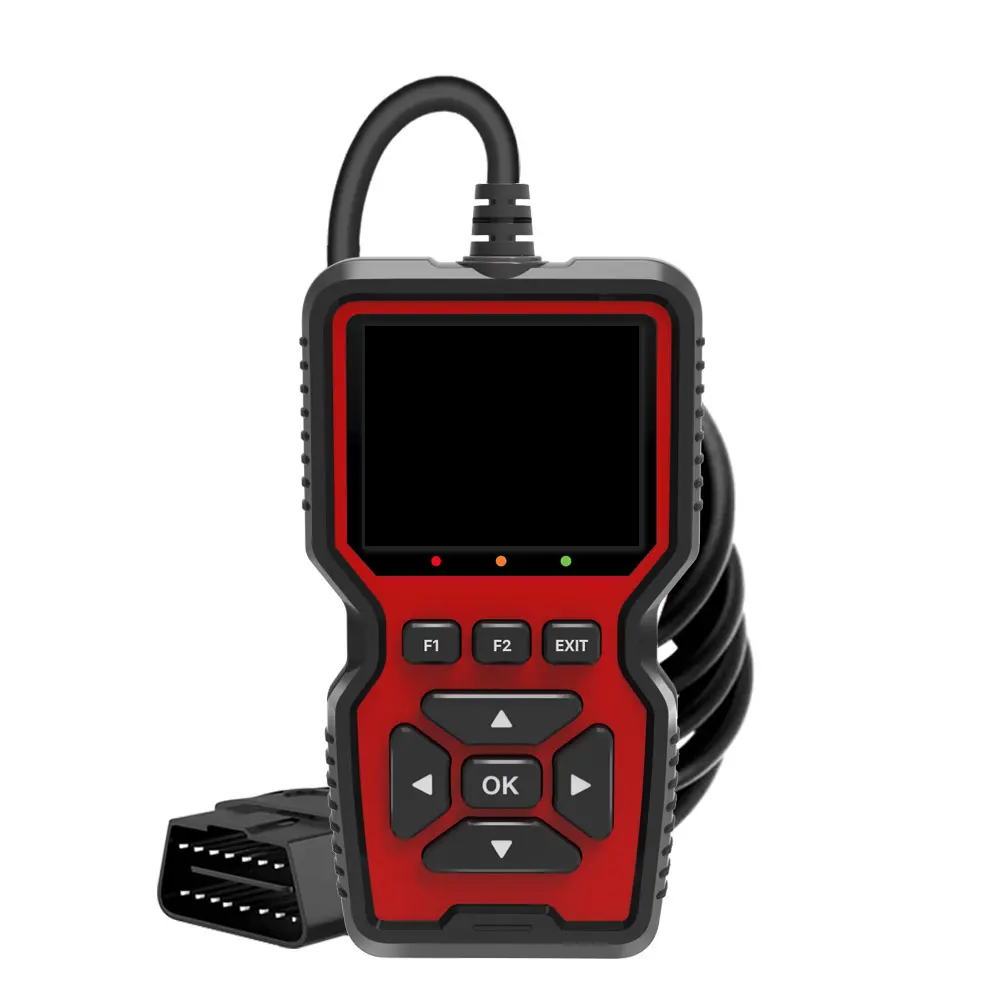
Diagnosis of C1428 requires a systematic approach, often leveraging a digital multimeter (DMM) and a capable OBD-II scan tool.
- Initial Visual Inspection:
- Begin by visually inspecting the entire rear right suspension area. Look for any obvious signs of damage to the damper unit, its electrical connector, and the wiring harness leading to it.
- Check for chafed insulation, exposed wires, signs of rodent damage, or corrosion, especially where the harness passes through grommets or is exposed to the elements.
- Examine the electrical connector at the damper for bent, pushed-out, or corroded pins. Ensure it is securely seated.
- Scan Tool Analysis:
- Connect an advanced OBD-II scan tool capable of accessing Chassis (C-code) diagnostics and live data for the suspension system.
- Check for any additional Diagnostic Trouble Codes (DTCs) that may be related to the suspension system or other modules, which could provide contextual information.
- If available, monitor live data parameters such as “Rear Right Damper Command,” “Damper Feedback,” or “Current Draw” while commanding the damper through different settings (e.g., Sport/Comfort) via the scan tool’s bi-directional controls. Observe if the control module registers any feedback or if the commanded state changes the circuit’s electrical characteristics.
- Digital Multimeter (DMM) Testing:
- Resistance Check (Damper Actuator): Disconnect the vehicle’s battery. Unplug the electrical connector from the rear right damper actuator. Using a DMM, measure the resistance across the actuator’s terminals (refer to the vehicle’s service manual for specific pinouts and expected resistance values). An open circuit (infinite resistance) or a short circuit (near zero resistance) indicates an internal fault within the damper actuator, necessitating damper replacement.
- Wiring Harness Integrity: With the battery still disconnected and both the damper and control module connectors unplugged (refer to wiring diagrams for the correct module and pins), perform continuity tests on each wire between the damper connector and the control module connector. An open circuit indicates a break in the wire.
- Short to Ground/Voltage Check: Test each wire in the damper harness for continuity to a known good chassis ground and to battery voltage. Any continuity indicates a short circuit that needs to be traced and repaired.
- Power and Ground Supply (Module Side): Reconnect the battery. With the damper connector still unplugged, carefully back-probe the appropriate terminals in the damper harness connector (again, using wiring diagrams) while the ignition is ON. Verify the presence of correct voltage supply and a solid ground connection from the control module.
- Control Module Verification:
- If all wiring, connectors, and the damper actuator itself test within specifications, the fault may lie within the Suspension Control Module. This would require further specialized testing, potentially involving checking power/ground supply to the SCM itself, and monitoring its output signals, usually requiring a factory-level scan tool or oscilloscopes to verify signal integrity.
Recommended Repairs and Solutions
Once the root cause of the C1428 code has been accurately identified, the following repairs are typically recommended:
- Wiring Harness Repair/Replacement: If damaged wiring is found, perform a professional wire repair using appropriate gauge wire, solder, heat-shrink tubing, and waterproof connections. For extensive damage, replacement of the entire affected harness section is often more reliable.
- Connector Cleaning/Replacement: Clean any corroded electrical terminals using specialized electrical contact cleaner and a small brush. If terminals are bent, corroded beyond repair, or the connector housing is compromised, replace the entire connector assembly to ensure a robust, reliable connection.
- Rear Right Damper Actuator/Assembly Replacement: If DMM tests confirm an internal electrical fault within the damper’s actuator, the complete damper unit usually needs to be replaced. It is crucial to use an Original Equipment Manufacturer (OEM) or equivalent quality replacement part, as electronically controlled dampers are highly calibrated, and aftermarket units with incorrect electrical characteristics can lead to recurring codes or suboptimal performance.
- Fuse Replacement: If a blown fuse is discovered, replace it with a fuse of the exact specified amperage. However, it is imperative to identify and rectify the underlying short circuit or overload condition that caused the fuse to blow to prevent immediate recurrence.
- Suspension Control Module (SCM) Replacement: If all other components and wiring have been thoroughly tested and verified as functional, and the control module shows no proper output, replacement of the SCM may be necessary. After installation, the new SCM will typically require programming and calibration using a factory-level diagnostic tool to integrate it with the vehicle’s specific configuration.
- Post-Repair Validation: After performing any repair, clear the C1428 code using a scan tool. Conduct a thorough test drive under various conditions to confirm that the symptom is no longer present and the code does not return. Additionally, use the scan tool to re-verify live data parameters, ensuring the rear right damper circuit is operating within its commanded and expected ranges.