What Does Code C1439 Mean?
Diagnostic Trouble Code C1439 indicates a detected malfunction within the vehicle acceleration circuit, specifically as monitored by the Electronic Engine Control – IV (EEC-IV) system. While EEC-IV is an older Ford powertrain control architecture predating widespread OBD-II P-code standardization, this C-code typically originates from a module (such as an Anti-lock Brake System/Traction Control Module or a specialized vehicle dynamics module) that interfaces with or receives input related to the powertrain’s acceleration demands and reports to the main Powertrain Control Module (PCM) or directly logs the fault in a chassis-related module. The code signifies that the controlling module has detected an electrical anomaly (e.g., an open circuit, short to voltage, short to ground, or an implausible signal) within the dedicated circuit responsible for providing vehicle acceleration input, often derived from an Accelerator Pedal Position (APP) sensor. This input is crucial for the EEC-IV system or interfacing modules to accurately determine driver demand for engine torque and vehicle speed, affecting fuel delivery, ignition timing, and potentially transmission shift strategies.
Common Symptoms
- Reduced Engine Power or “Limp Home” Mode: The vehicle’s performance may be severely restricted to prevent potential damage.
- Erratic or Unresponsive Throttle Pedal: The accelerator pedal may not respond consistently or at all to driver input.
- Inconsistent Acceleration: The vehicle might accelerate unevenly, or experience sudden hesitations and surges.
- Malfunction Indicator Lamp (MIL) Illumination: The “Check Engine” light or a specific chassis warning lamp will illuminate.
- Cruise Control System Malfunction: If equipped, the cruise control may fail to engage or disengage improperly.
- Transmission Shifting Irregularities: The automatic transmission might exhibit harsh, delayed, or erratic shifts due to incorrect acceleration input.
- Engine Stalling: In severe cases, a complete loss of acceleration input can lead to the engine stalling, particularly when coming to a stop or at idle.
What Causes the Code C1439?
- Faulty Accelerator Pedal Position (APP) Sensor: Internal wear, contamination, or electrical failure of the potentiometer or Hall-effect sensor within the APP assembly.
- Wiring Harness Damage: Open circuits, short circuits (to power or ground), chafing, or corrosion within the wiring harness connecting the APP sensor to the EEC-IV module or an interfacing control module.
- Corroded or Loose Electrical Connectors: Poor electrical contact at the APP sensor connector or the EEC-IV module/interfacing module connector due to oxidation, bent pins, or inadequate seating.
- Poor Ground Connection: Inadequate or corroded ground circuits affecting the APP sensor’s signal integrity or the module’s ability to interpret the signal correctly.
- Internal EEC-IV Module or Interfacing Module Fault: Though less common, a defective input circuit or processor within the EEC-IV module or a related control module (e.g., ABS/TCS) that processes the acceleration signal.
- Excessive Electrical Interference: Less frequent, but severe electromagnetic interference can disrupt sensitive sensor signals.
How to Diagnose and Troubleshoot
Diagnosis of C1439 requires a methodical approach, focusing on the APP sensor circuit and its connection to the EEC-IV system or its interfacing modules:
- Visual Inspection: Begin with a thorough visual inspection of the entire wiring harness from the accelerator pedal assembly to the EEC-IV module’s location. Look for signs of chafing, cuts, pinches, or melted insulation. Inspect both the APP sensor connector and the EEC-IV module’s main connector for corrosion, bent pins, or loose connections. Pay close attention to any areas where the harness might rub against sharp edges or hot components.
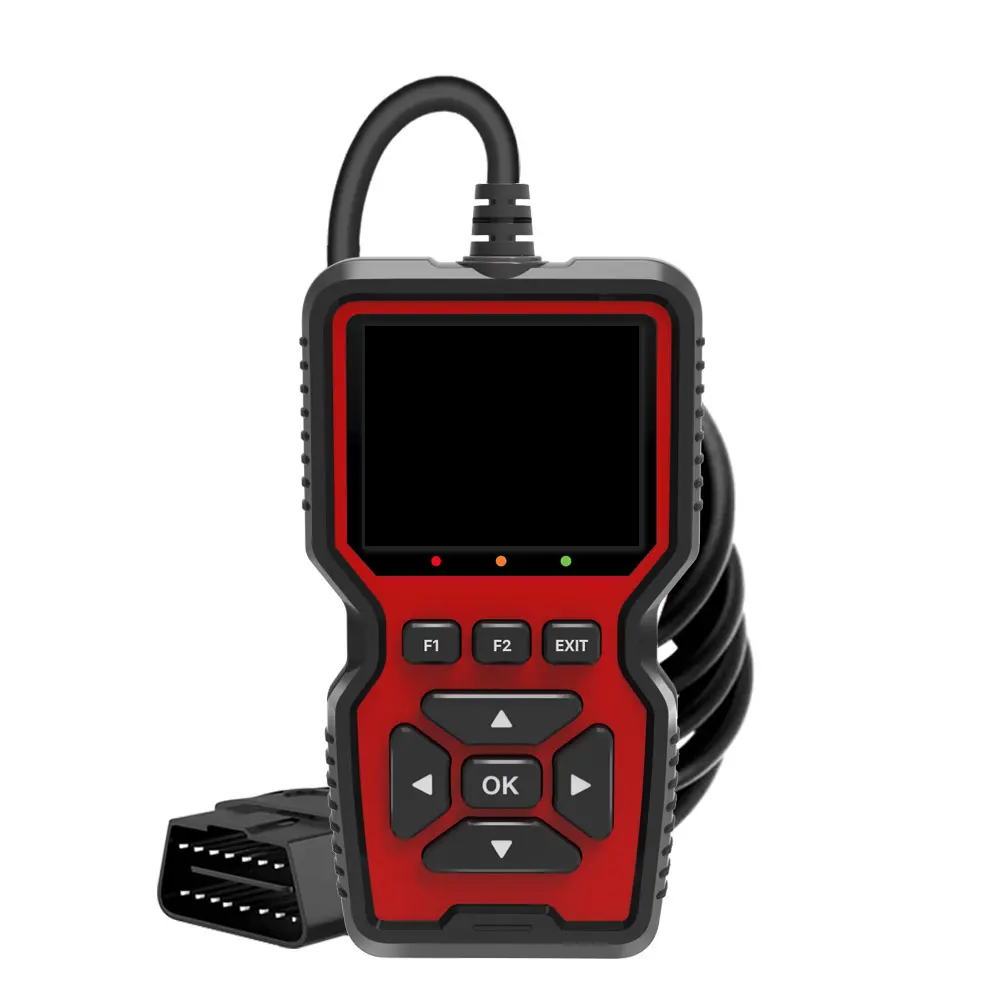
- OBD-II Scanner Live Data Analysis: Connect an OBD-II scanner capable of reading enhanced or manufacturer-specific data. Access the live data stream for the Accelerator Pedal Position (APP) sensor. With the ignition ON and engine OFF (KOEO), slowly depress and release the accelerator pedal. Observe the APP sensor voltage (typically 0.5V to 4.5V) or percentage output. The reading should increase and decrease smoothly and linearly, without any sudden drops, spikes, or flat spots. An erratic or stuck reading indicates a potential APP sensor or circuit fault.
- Digital Multimeter (DMM) Testing:
- APP Sensor Power and Ground: With the ignition ON, disconnect the APP sensor connector. Using a DMM, check for reference voltage (typically 5V) at the appropriate pin and verify a solid ground connection at its respective pin. Consult a factory wiring diagram for correct pinouts.
- APP Sensor Signal Output (Backprobing): Reconnect the APP sensor. Backprobe the signal wire at the APP sensor connector or, if accessible, at the EEC-IV module connector. Slowly depress and release the accelerator pedal while monitoring the voltage. Confirm a smooth, consistent voltage sweep across the pedal’s full range. Any inconsistencies point towards an internal sensor defect.
- Wiring Harness Continuity and Shorts: Disconnect the battery and both ends of the APP sensor harness (APP sensor and EEC-IV module). Using the DMM in continuity mode, test each wire from end to end to check for open circuits. Then, test each wire for shorts to ground and shorts to power (if applicable) within the harness itself. A reading of infinity (OL) is expected for shorts, while a low resistance (e.g., < 5 ohms) indicates continuity.
- Ground System Integrity Check: Verify the integrity of the main engine and chassis ground points. Poor grounding can cause erratic sensor signals that mimic component failure.
- EEC-IV Module Connector Inspection: If all external wiring and sensor tests pass, carefully inspect the EEC-IV module’s main connector for any signs of corrosion or damage on the pins that interface with the APP sensor circuit. Clean with electrical contact cleaner if necessary.
Recommended Repairs and Solutions
- Replace Accelerator Pedal Position (APP) Sensor: If DMM tests definitively confirm a faulty APP sensor (erratic voltage sweep, no signal, or incorrect reference/ground values at the sensor pins), replacement of the entire APP assembly is typically the most reliable solution.
- Repair or Replace Wiring Harness: For identified open circuits, short circuits, or damaged insulation within the wiring harness, perform meticulous repairs. Use professional soldering techniques, heat-shrink tubing, and protective loom. If damage is extensive or widespread, replacing the entire harness section is advisable.
- Clean and Secure Electrical Connectors: Use a specialized electrical contact cleaner to remove corrosion from the APP sensor and EEC-IV module connectors. Apply a small amount of dielectric grease to the pins to prevent future corrosion and ensure a robust connection. Ensure all connectors are fully seated and locked.
- Improve Ground Connections: Clean any corroded or loose ground points affecting the APP sensor circuit or the EEC-IV module itself. Ensure a clean, bare metal-to-metal contact for all ground straps.
- EEC-IV Module Replacement: This should be considered a last resort, only after all other potential causes (sensor, wiring, connectors, grounds) have been thoroughly diagnosed and ruled out. EEC-IV module replacement often requires programming or “flashing” to the vehicle’s specific VIN and configuration, which typically needs specialized dealer tools or advanced aftermarket programming equipment.
Important Mechanics’ Tips:
- Always disconnect the vehicle’s battery before performing any significant electrical work or component replacement to prevent accidental shorts or damage to control modules.
- Utilize manufacturer-specific service information and wiring diagrams for the exact vehicle model year to ensure accurate pin identification and expected voltage specifications.
- After any repairs, clear the C1439 diagnostic trouble code using an OBD-II scanner and perform a comprehensive test drive under varying conditions to confirm the repair and ensure the code does not return.
- Be aware that some vehicles may require an APP sensor “relearn” or “calibration” procedure after replacement. Refer to the factory service manual for specific post-installation steps.